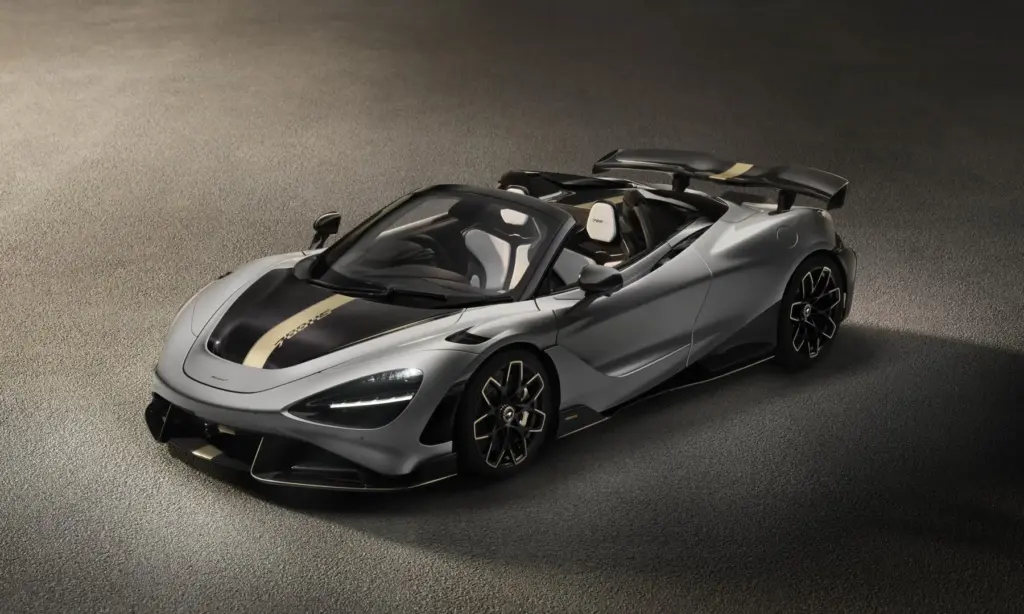
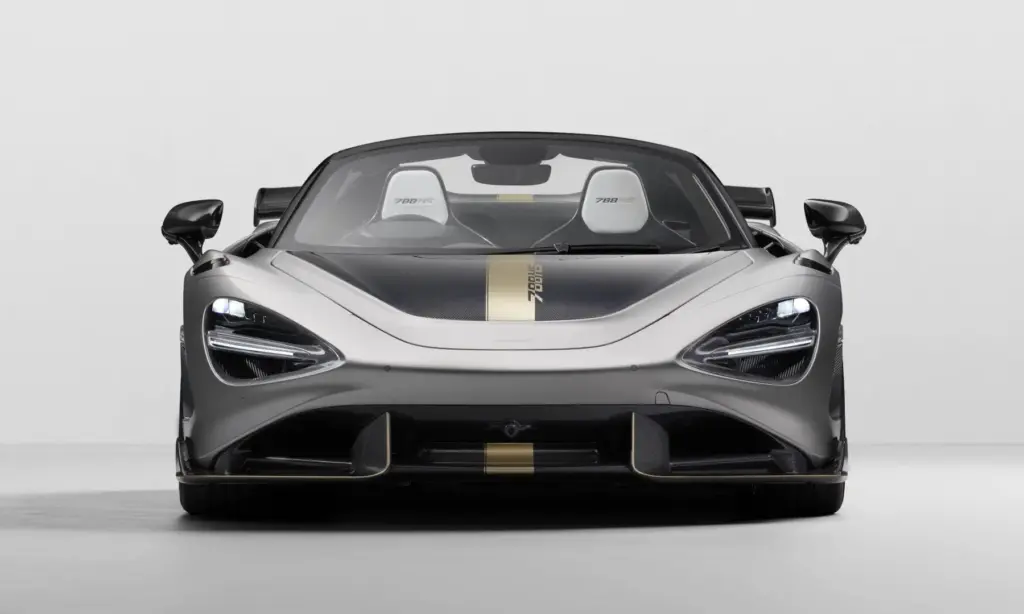
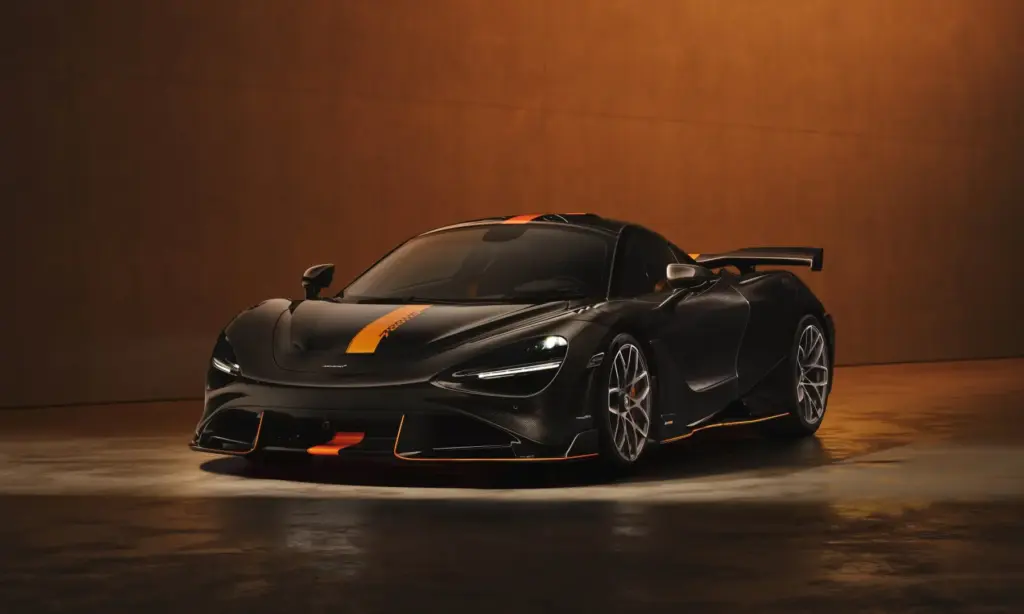
McLaren has put a full stop on its supercar line with the arrival of the 788HS. This is the most focused version of the family that started with the 720S and was raamped up through the 765LT and 750S. HS, for High Sport, is reserved for the sharpest series-production interpretations the brand has built, and until now it had only surfaced on the MP4-12C HS and the MSO HS. This latest car is a proper, track-biased machine that is a fitting swansong for the much-lauded 7xx range.
A final chapter for the series
The headline figure is 580 kW (or 788PS) from the twin-turbocharnged 4,0-litre V8. The redline is set at a heady 8 500 r/min, so it’s definitely an engine that delivers on revs, while still delivering 800 N.m of torque. This extreme machine tips the scales at 1 265 kg. McLaren quotes 0 to 100 km/h in 2,8 seconds, 0 to 200 km/h in 7, 0 seconds, and a top speed of 330 km/h.
Aerodynamics chooned
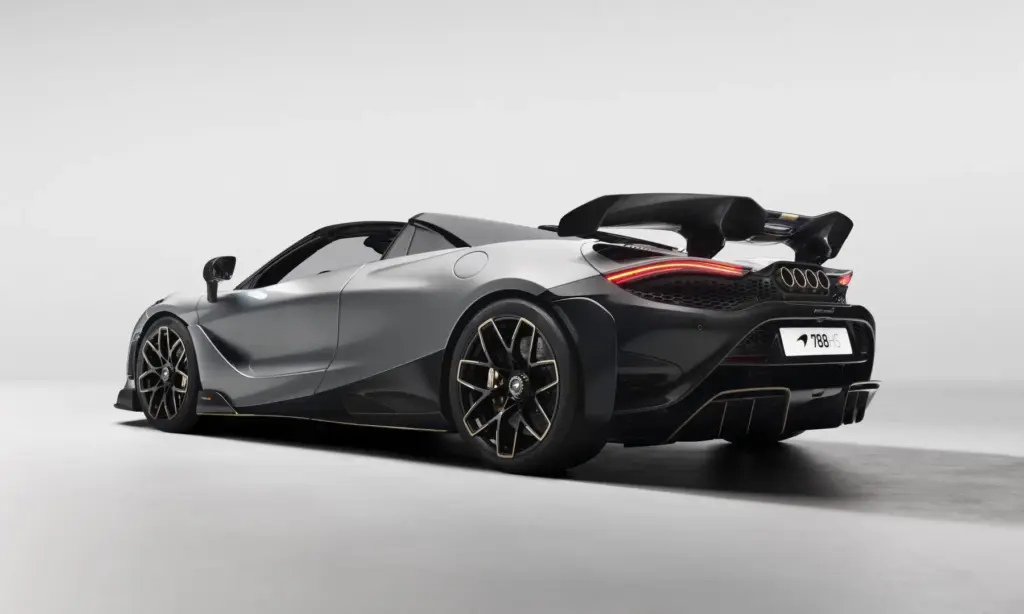
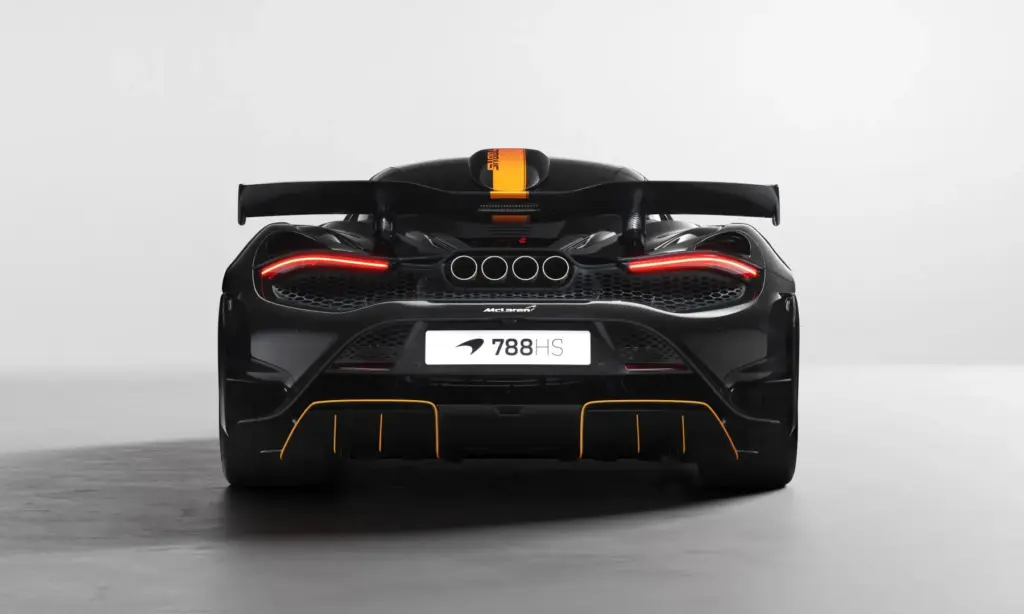
McLaren says the 788HS carries the most advanced aero package it has ever fitted to this supercar platform. The claim is a 10 percent rise in downforce over the 765LT. Changes include a new S-Duct bonnet that helps manage airflow over the nose, while the raised active rear spoiler works with an F1-inspired rear diffuser and a bespoke front splitter to keep the car planted and stable. A louvred panel beneath the wing adds another layer, helping with powertrain cooling as well as overall aerodynamic efficiency. McLaren applying its F1 know-how in crucial places.
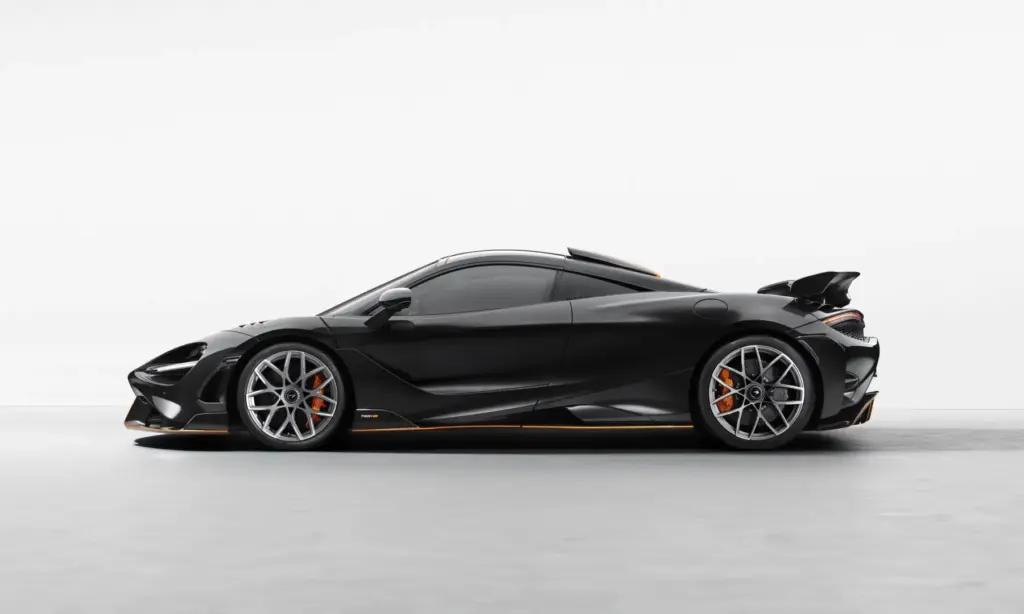
Gloss black exterior detailing gives the 788HS a darker, more purposeful face. On Coupe derivatives, that includes a roof scoop. Buyers can also opt for a full Visual Carbon Fibre bodywork across every exterior panel, turning the whole thing into a rolling statement about lightness, cost be damned.
Mechanicals
Under the skin, the 788HS gets Proactive Chassis Control III with linked-hydraulic suspension and bespoke tuning. McLaren has also dropped the nose 5 mm lower than the 750S at the front. Braking hardware comes from the McLaren Senna. Carbon ceramic discs sit behind black six-piston forged aluminium monoblock front calipers, with integrated cooling to keep things consistent when the pace stays high. For the first time in this supercar series, McLaren has also fitted a centre-lock wheel setup. The wheels themselves are new Super Lightweight Forged Alloy items, which keeps the whole package aligned with the rest of the car’s weight-saving obsession.
A quad-exit titanium system handles the voice from the V8, while engineered induction and exhaust sound symposer tech pulls more of that twin-turbo character into the cabin. The result should be less polished background noise and more of the mechanical bark McLaren buyers expect when they spend this kind of money.
MSO touches
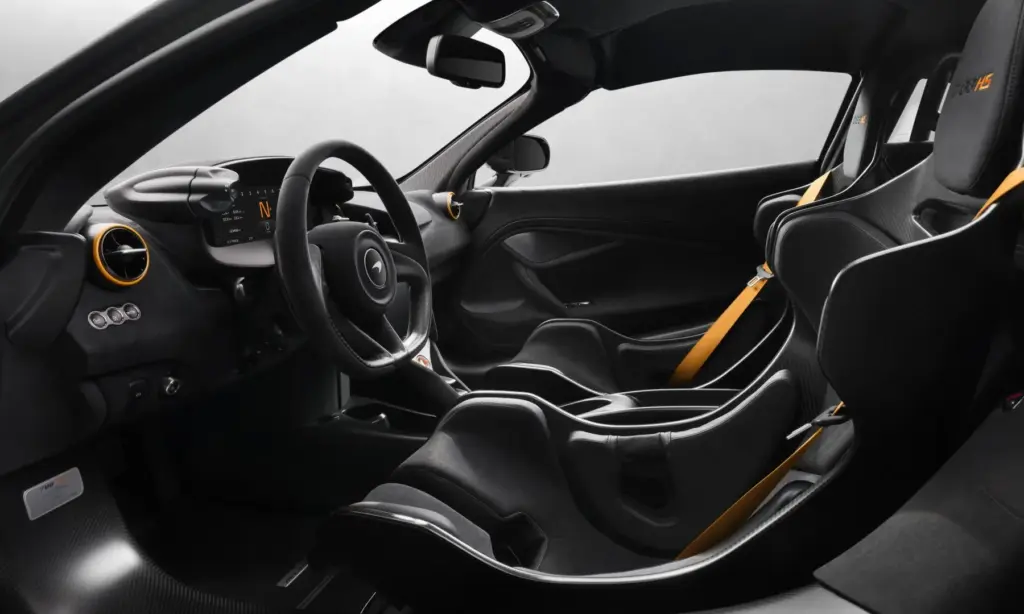
The cabin is driver-first and stripped of anything ornamental for its own sake. The centre console is carbon fibre, which keeps weight down. McLaren Special Operations gets a proper role here. The interior carries bespoke HS branding, a unique upholstery perforation pattern, and a dedication plaque. The personalisation catalogue is clearly broad enough to let owners make the car their own without losing the point of the 788HS.
The headline numbers
- 4,0-litre twin-turbo V8
- 580 kW pf power
- 800 N.m of torque
- 1 265 kg dry weight
- 0 to 100 km/h in 2,8 seconds
- 0 to 200 km/h in 7,0 seconds
- 330 km/h top speed
- 10 percent more downforce than the 765LT
![Taycan Turbo S vs McLaren 720S Spider Drag Race [video]](https://doubleapex.co.za/wp-content/uploads/Taycan-vs-720S-Drag-Race-1-300x180.webp)
![McLaren F1 30th Anniversary Tour [video]](https://doubleapex.co.za/wp-content/uploads/2022/06/McLaren-F1-30th-Anniversary-Tour-1-300x180.webp)
![McLaren 650S vs BMW S 1000 RR [video]](https://doubleapex.co.za/wp-content/uploads/Car-vs-bike-1-300x180.webp)
![World’s First Rotary McLaren [w/video]](https://doubleapex.co.za/wp-content/uploads/2024/07/Worlds-First-Rotary-McLaren-300x180.webp)


Have your say
Got thoughts on this?
No feedback yet on McLaren’s 788HS Marks The End Of An Era For Its…. Kick the conversation off.
Free. Email link only — no password.