

The best restomods do more than just resurrect old shapes. They take a poster car, strip it to the bone, and give it the sort of pace its original engineers could only dream about. Each of these five machines borrows the bloodline of a proper racer, then returns to the road with more grip, more power, and a lot less compromise. The result is a very modern kind of nostalgia. You get the silhouette that still stops people in their tracks, but under the skin, there is carbon fibre, boost, proper cooling, and the kind of pace that lets these cars run with contemporary exotica without feeling like fragile museum pieces on wheels.
The fast wedge
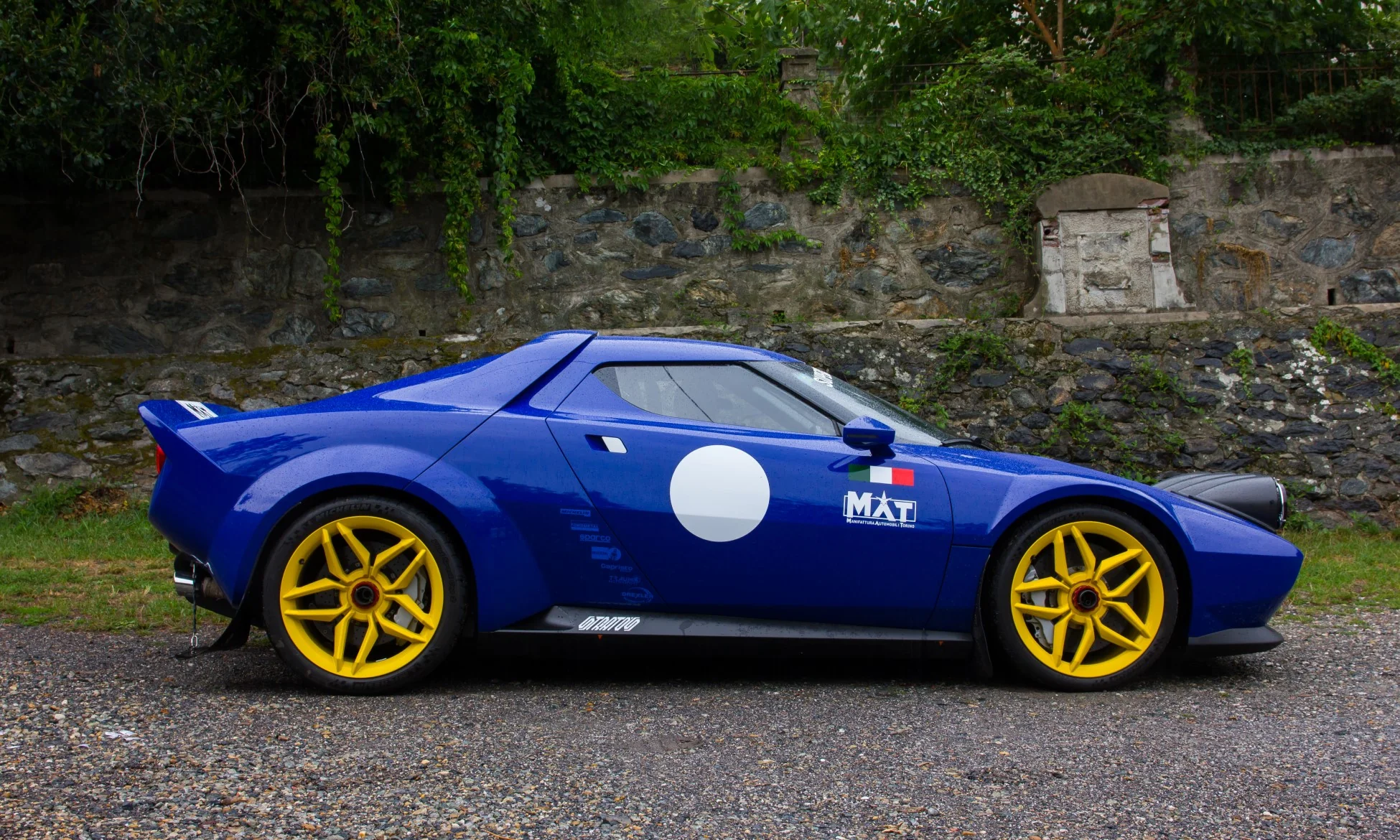
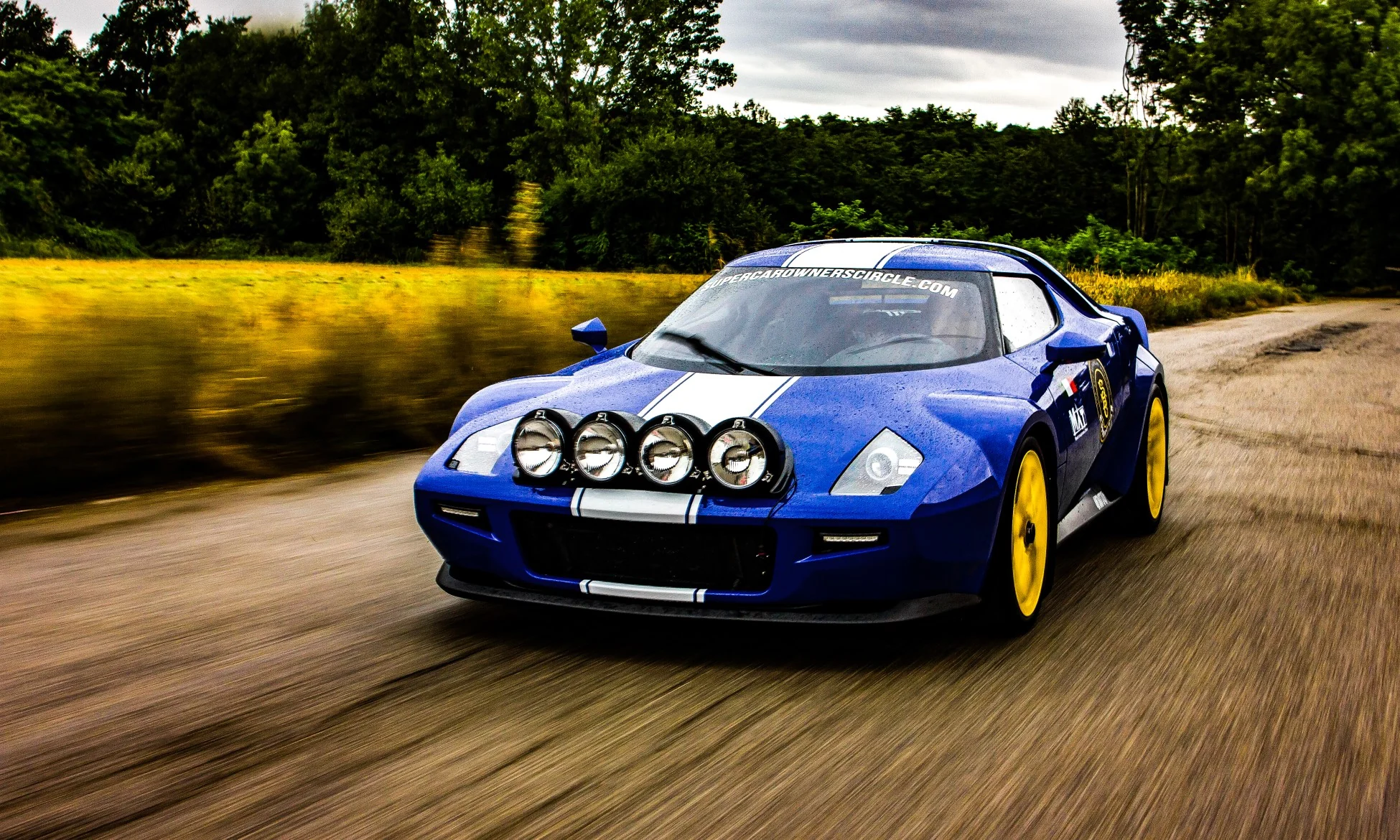
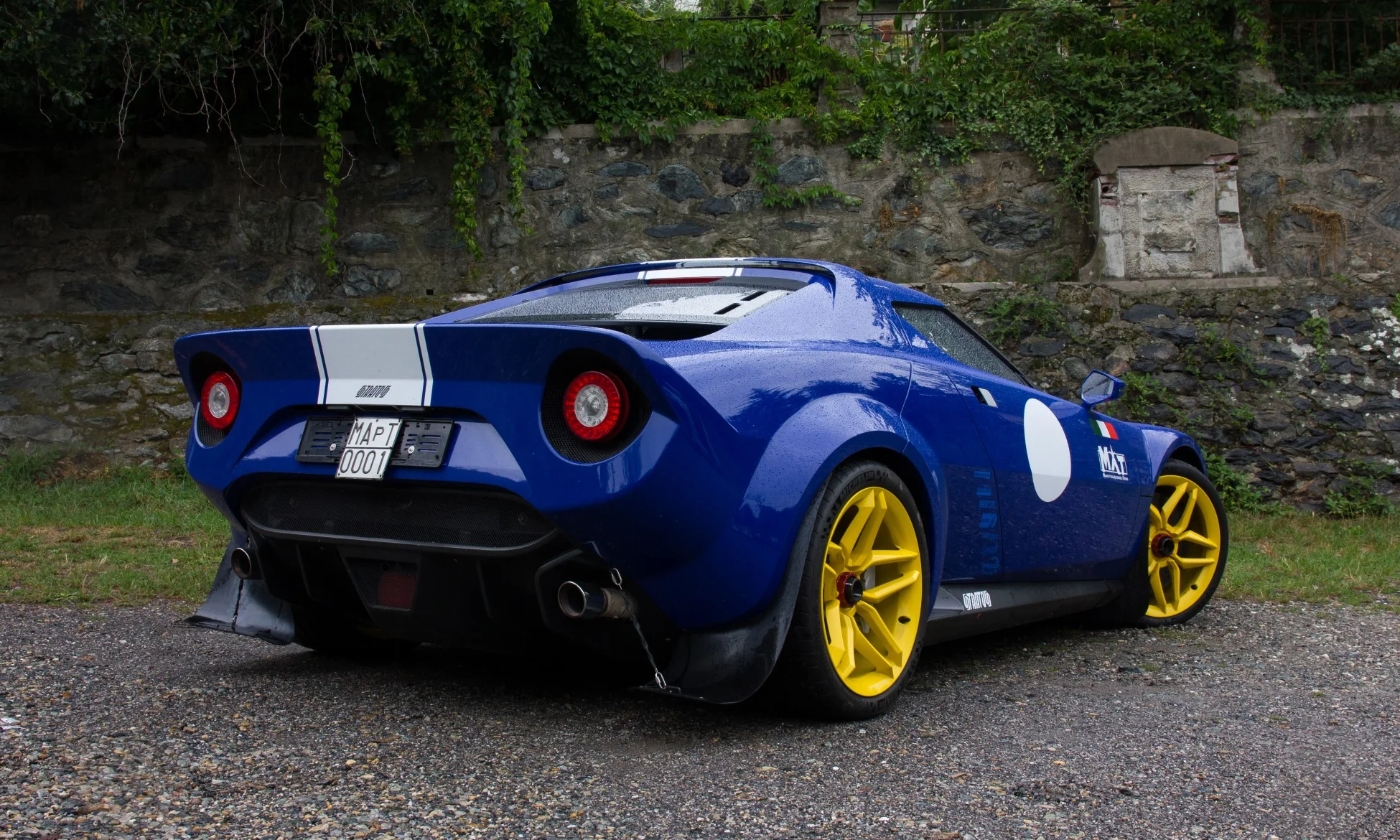
The MAT Lancia Stratos is the most obvious knife-edge in this group. The Lancia Stratos HF was born to win rallies, not to impress parked outside cafes. It became the first car designed specifically for rallying and took three straight World Rally Championship manufacturers’ titles between 1974 and 1976. Its short wheelbase, mid-engine layout, and Gandini-penned wedge shape made it a weapon on gravel and tarmac alike.
Click here to read our driving review of the MAT Stratos.
MAT’s version keeps that drama intact, but the engineering underneath is thoroughly modern. Carbon-fibre bodywork sits over Ferrari F430 hardware, including a totally rebuilt version of the 4,3-litre naturally aspirated V8. Output is quoted at 405 kW and 520 N.m, enough for 0 to 100 km/h in 3,3 seconds and a top speed of 330 km/h. At roughly 1 250 kg, it feels alert and muscular. This is still a Stratos, still a proper wedge, but now it has the mechanical polish to challenge the latest supercars.
The 037 reimagined
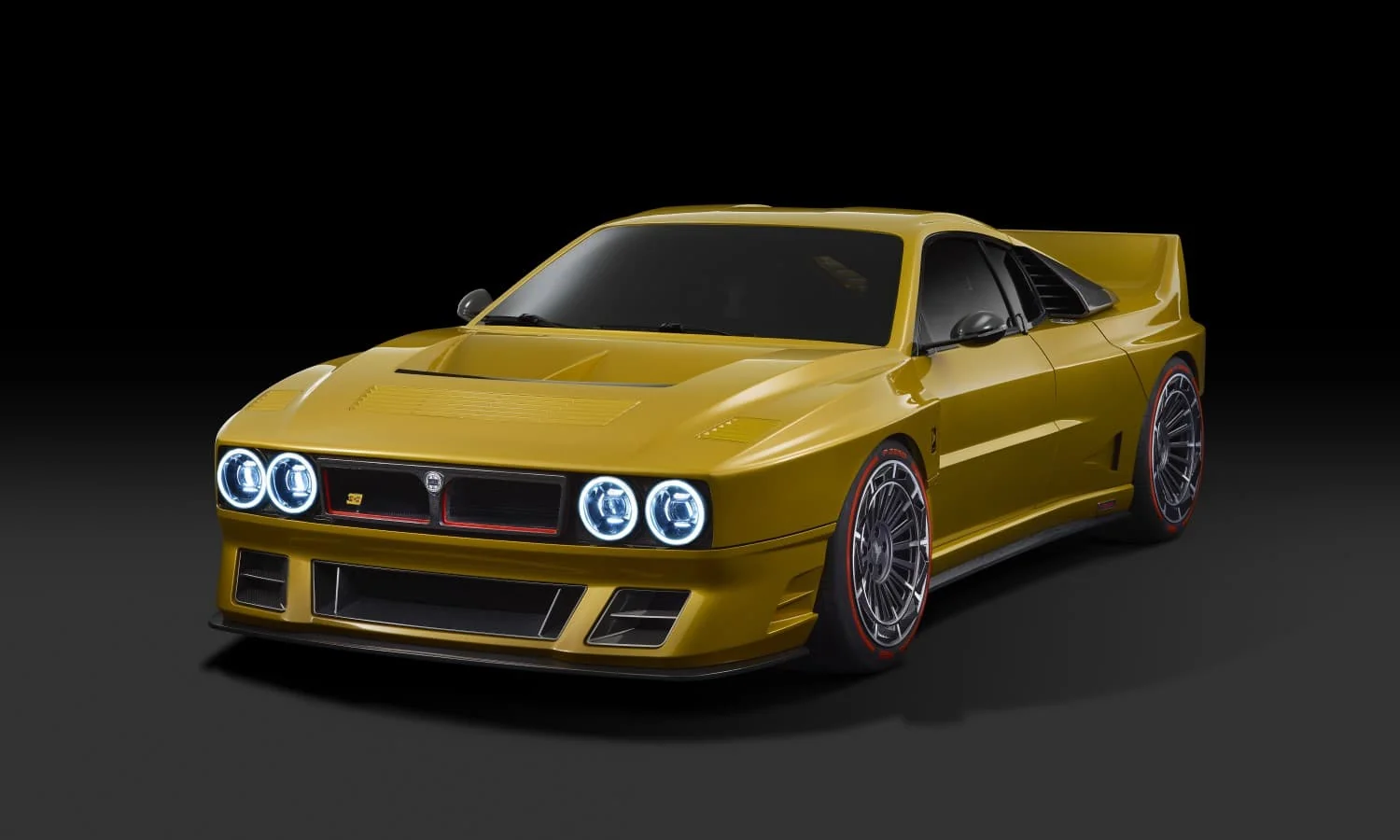
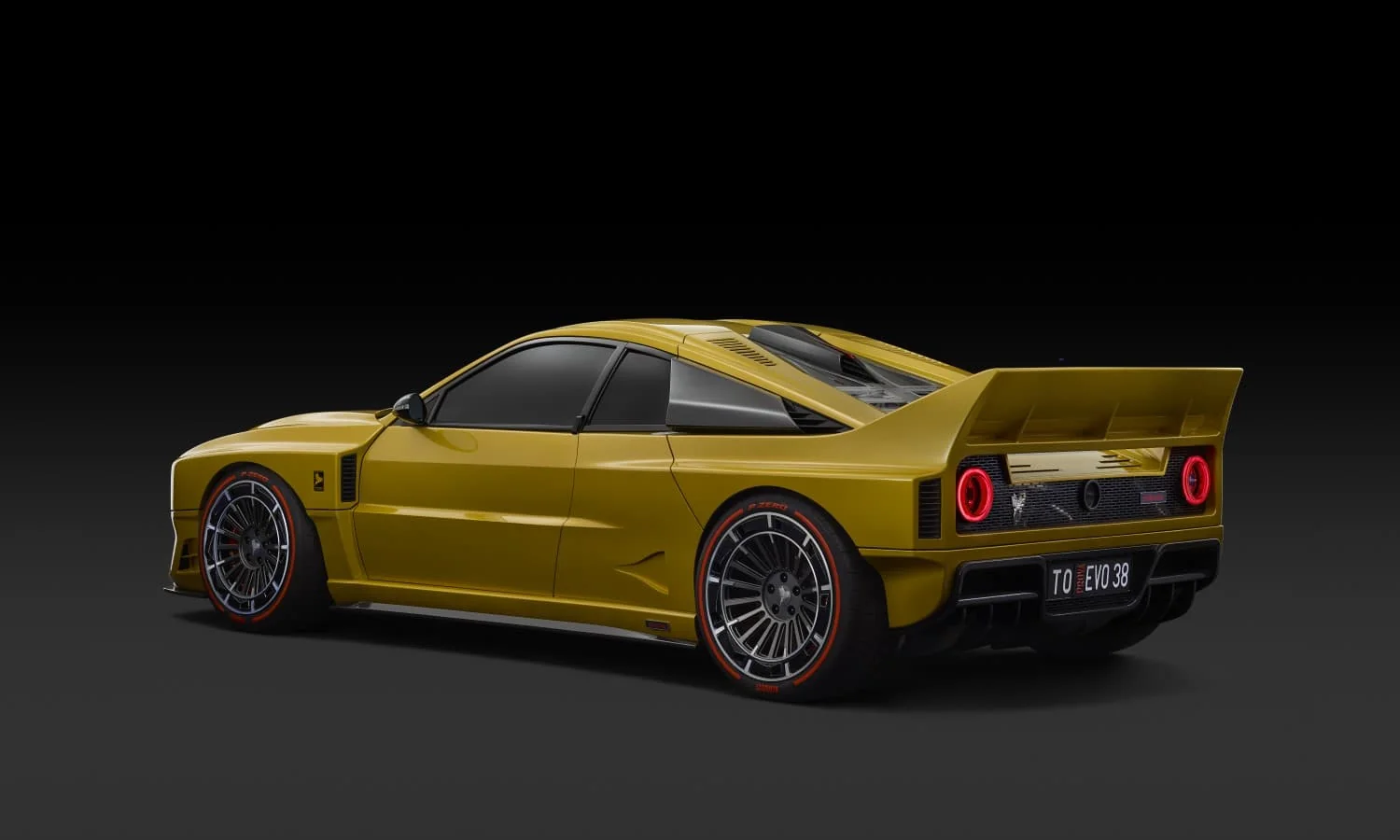
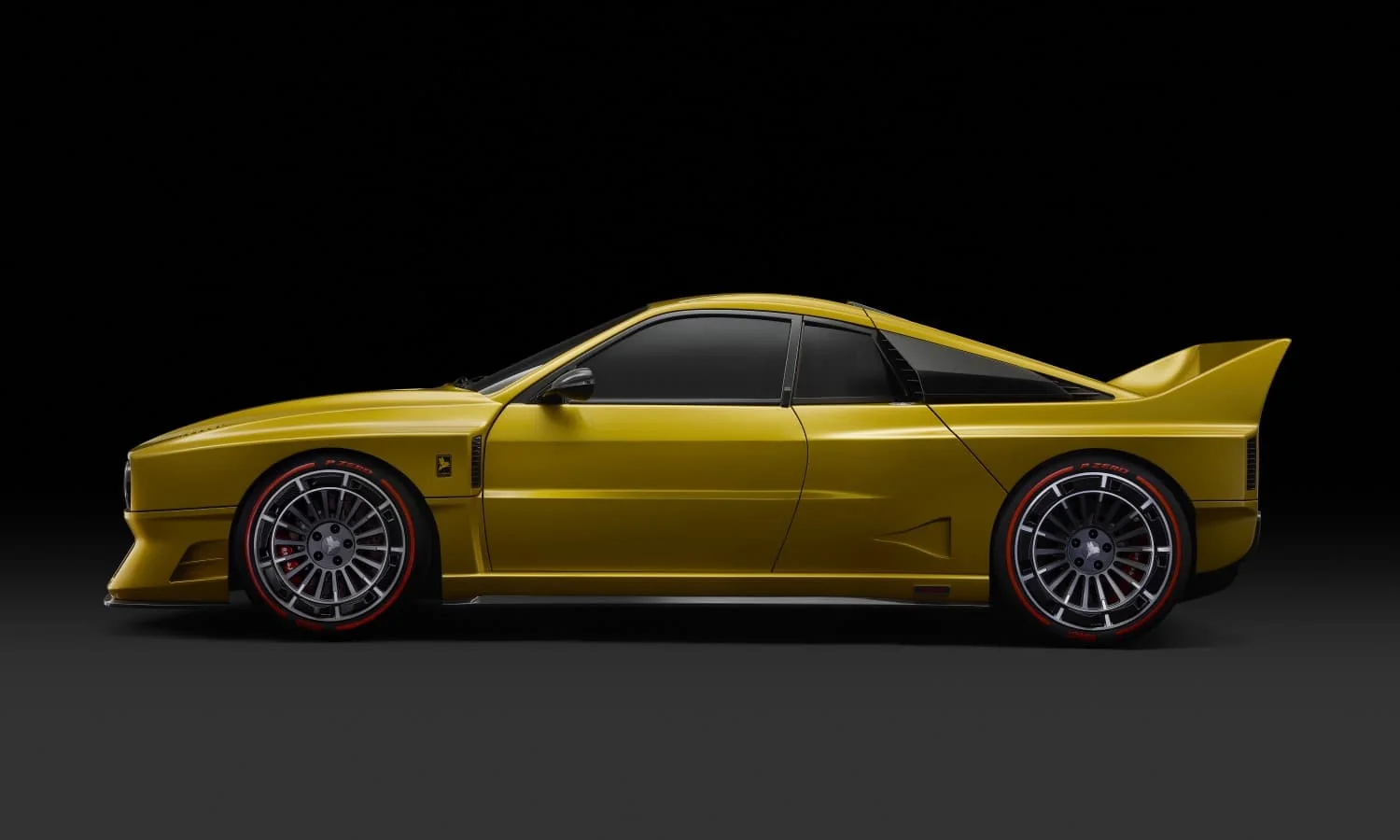
Kimera’s Evo38 reaches into one of rallying’s great left-field heroes, the Lancia Rally 037. The original car was Lancia’s answer to the Audi Quattro, yet it did the job with rear-wheel drive in the middle of the AWD Group B era. In 1983, it delivered the last manufacturers’ title ever won by a 2WD car in the World Rally Championship, narrowly beating out the more favoured Audi. That alone tells you how good the package was.
The Evo38 keeps the 037’s aggressive stance and stretches the idea much further. Its 2,1-litre force-fed four-cylinder is reworked by some of the same engineers who worked in Lancia’s rally team. However, the 037 was RWD, while Kimera imagined that the development curve would have led to an AWD version, which is what they created. In AWD form, it produces 441 kW and 580 N.m, with Kimera quoting under 3,0 seconds to 100 km/h and a top speed beyond 320 km/h. Dry weight is listed at a scant 1 100 kg.
The clever part is the way Kimera preserves the 037’s visual resemblance while adding the hardware needed to make the car relevant in the modern age. The original was a homologation special with a sharp edge. This one turns that edge into a proper road missile.
The touring car icon
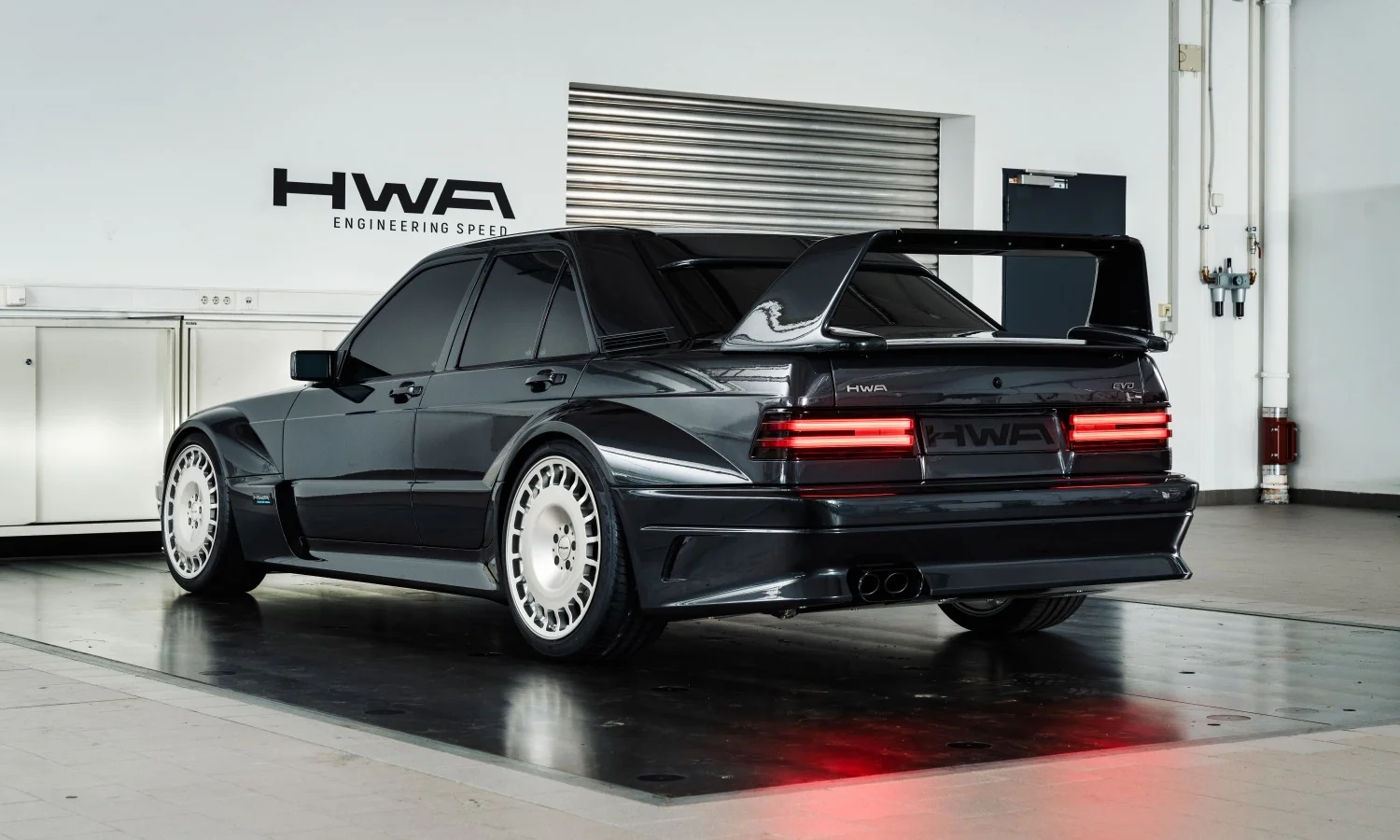
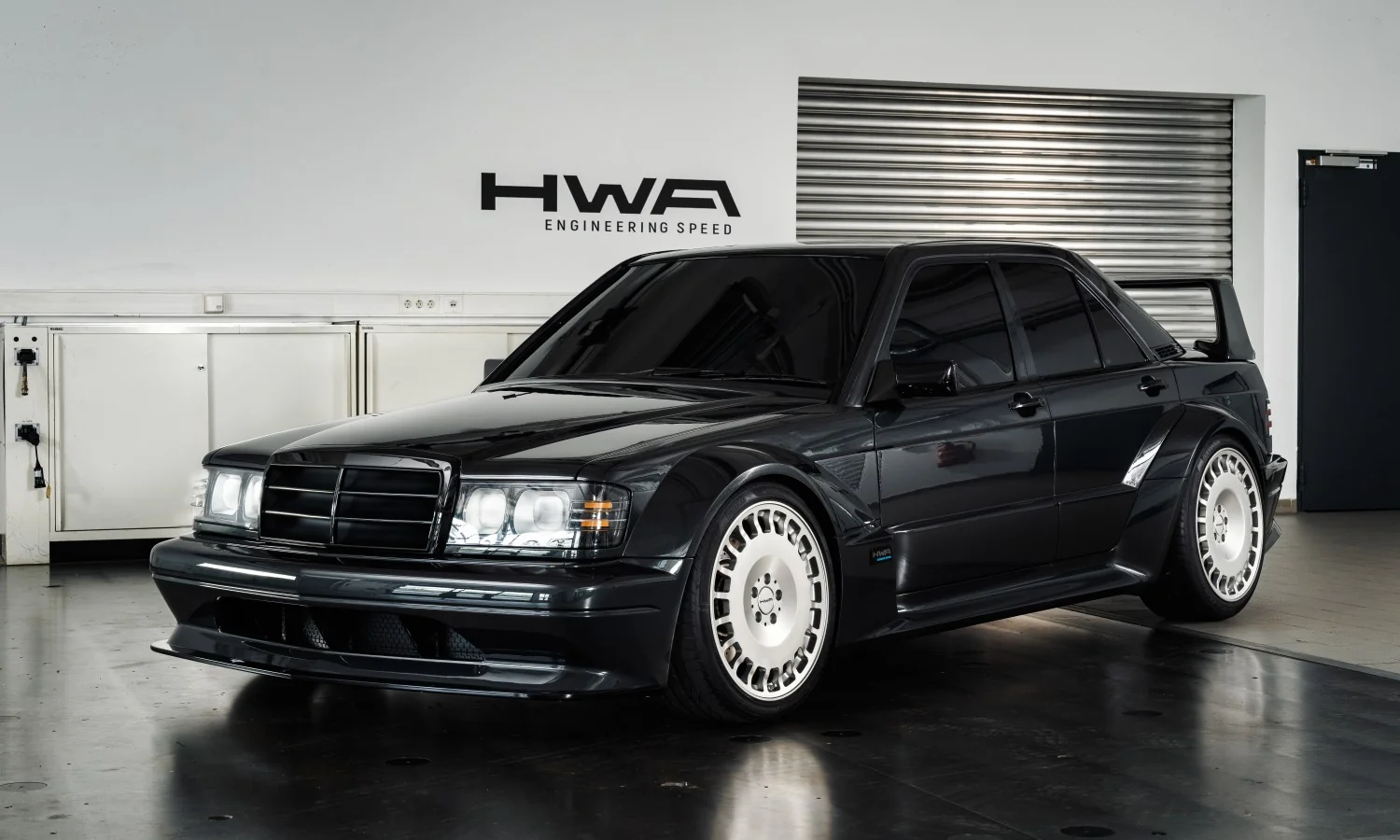
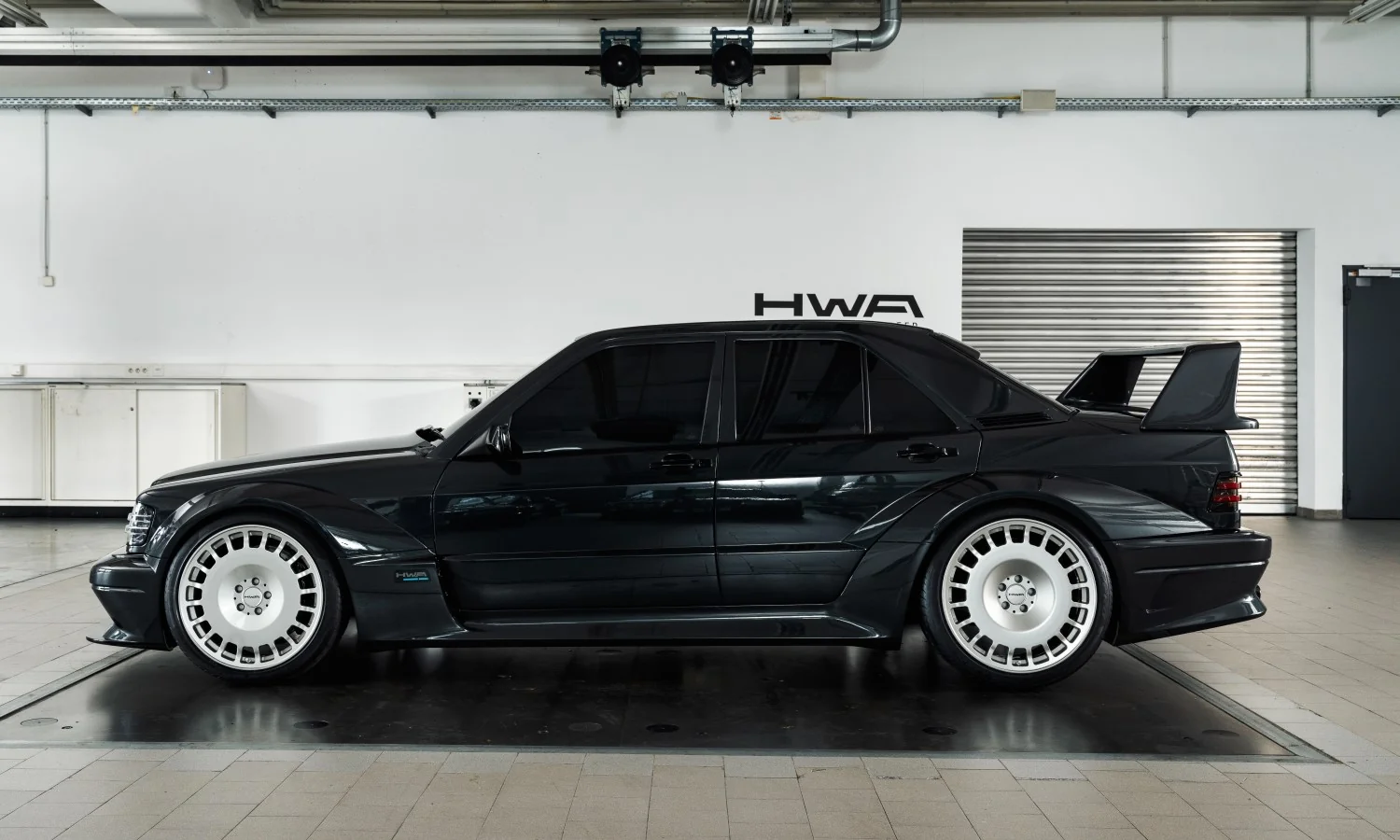
HWA’s Evo is derived straight at one of the most famous homologation cars ever built, the Mercedes-Benz 190E 2.5-16 Evolution II. The Evo II was developed for DTM and became one of the defining silhouettes of early 1990s DTM racing, complete with the giant rear wing that made it look faster standing still. Klaus Ludwig carried it to both driver and manufacturer honors in 1992.
HWA’s interpretation reworks the whole car around a Mercedes-sourced but HWA-developed 3,0-litre twin-turbocharged V6. Standard output is 331 kW and 550 N.m. Choose the racier Affalterbach package and those figures climb to 368 kW and 610 N.m. HWA claims 0 to 100 km/h in under 4,0 seconds and a top speed above 270 km/h, with the car weighing around 1 350 kg.
The new powertrain is clothed in a wider, more aggressive carbon-fibre body draped over a strengthened monocoque. That is enough for a serious road car, but the bigger story is the context. The Evo II was a DTM weapon with road manners barely concealed under the aero. HWA’s car takes that same attitude and gives it the speed, refinement, and precision the original platform never had the chance to enjoy.

The Italian DTM legend
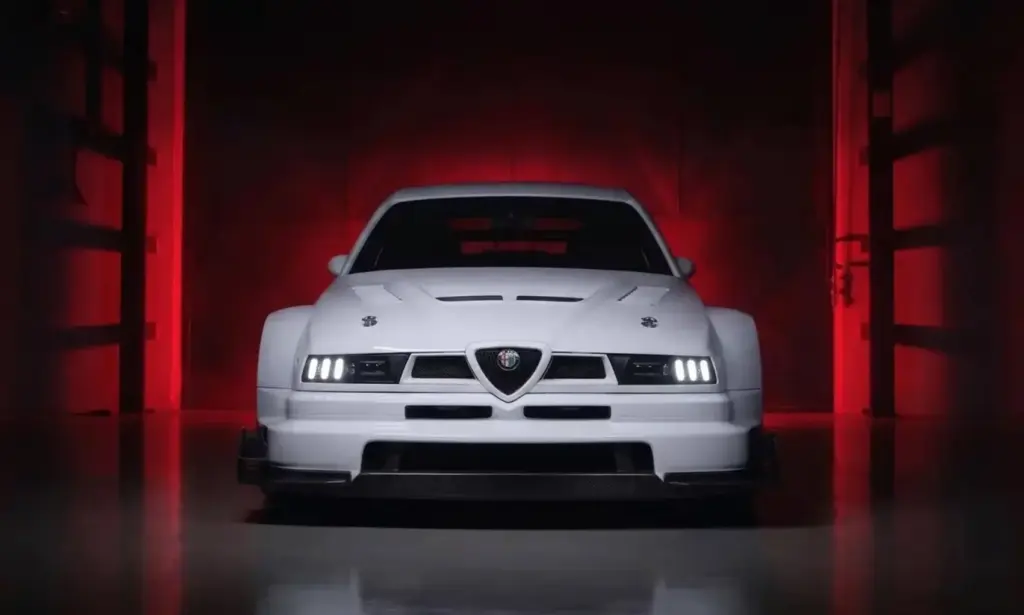
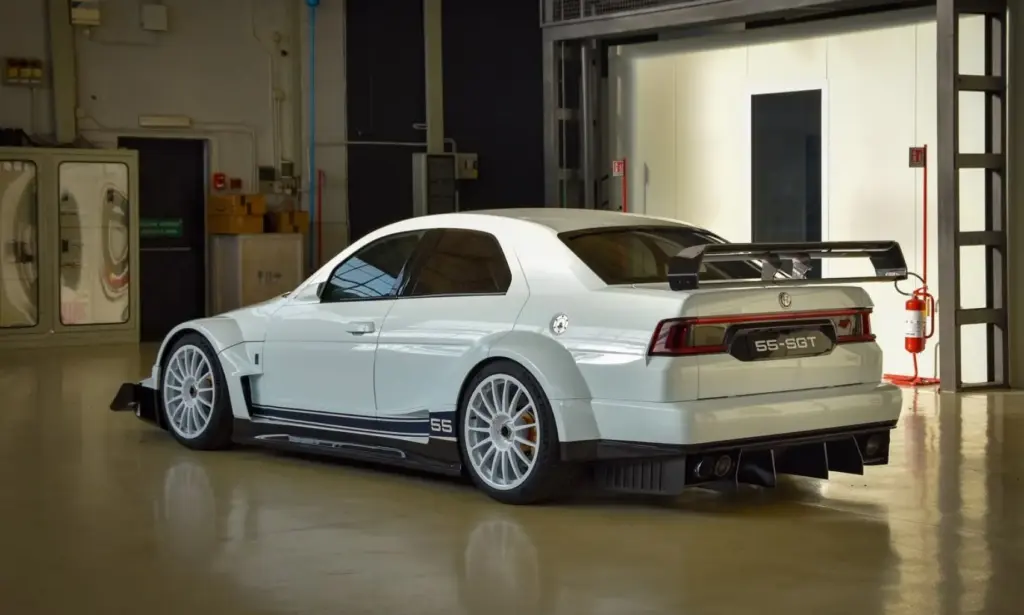
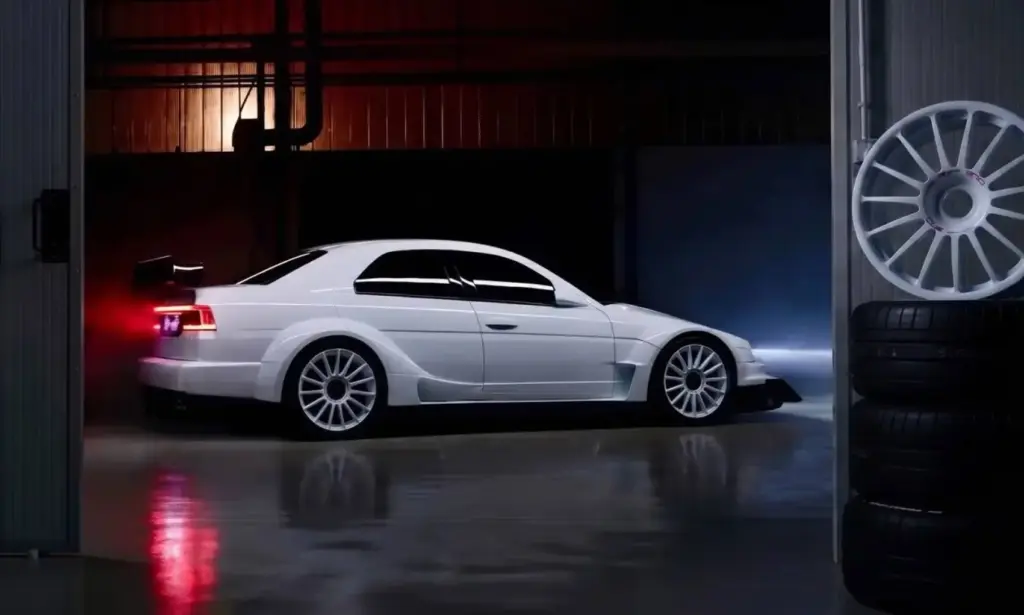
The Italians didn’t quite enjoy watching the fun that the Germans were having in the DTM. So they built the Alfa Romeo 155 V6 Ti DTM to race and ultimately dominate the Germans on their own turf. The AWD rev-monster won on debut with Nicola Larini, the first of his many victories in 1993. The Red cars ultimately won 12 of 20 races that season, handing the title to the first-ever non-German car to win the DTM.
That legend has now been resurrected with the 55-SGT. This creation of SGT Automobili is based on a modern-day Giulia that has been re-clothed with a squared-off look that immediately evokes scenes of 155 Alfas flying over kerbs and trading paint with BMWs and Mercedes. Power is derived from the same 2,9-litre twin-turbocharged V6 from the Giulia Quadrifoglio. Power outputs start at 383 kW and rise as high as 456 kW for the top version. Keeping true to 155, the restomod has been converted to AWD to harness all that power.
The E30 M3 reimagined
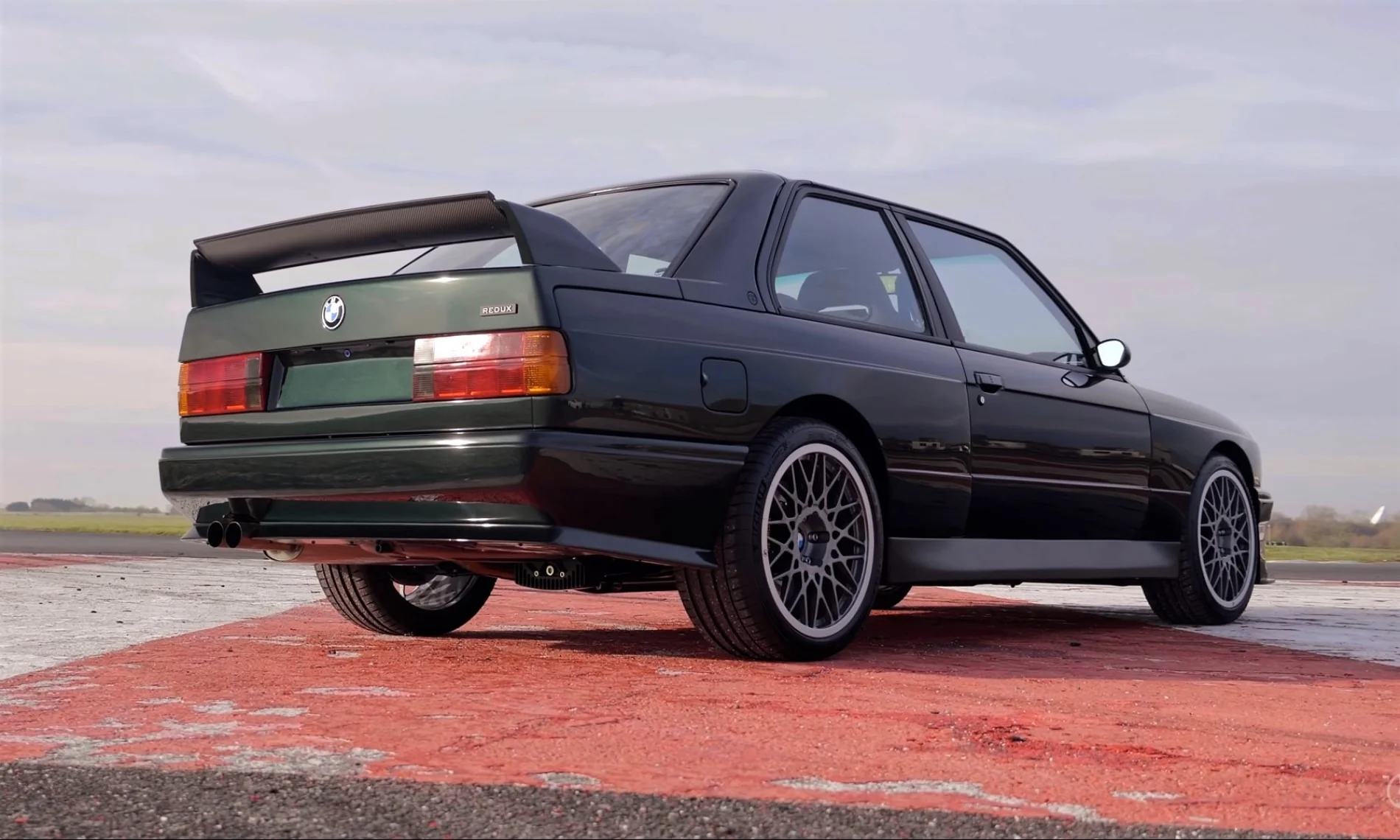
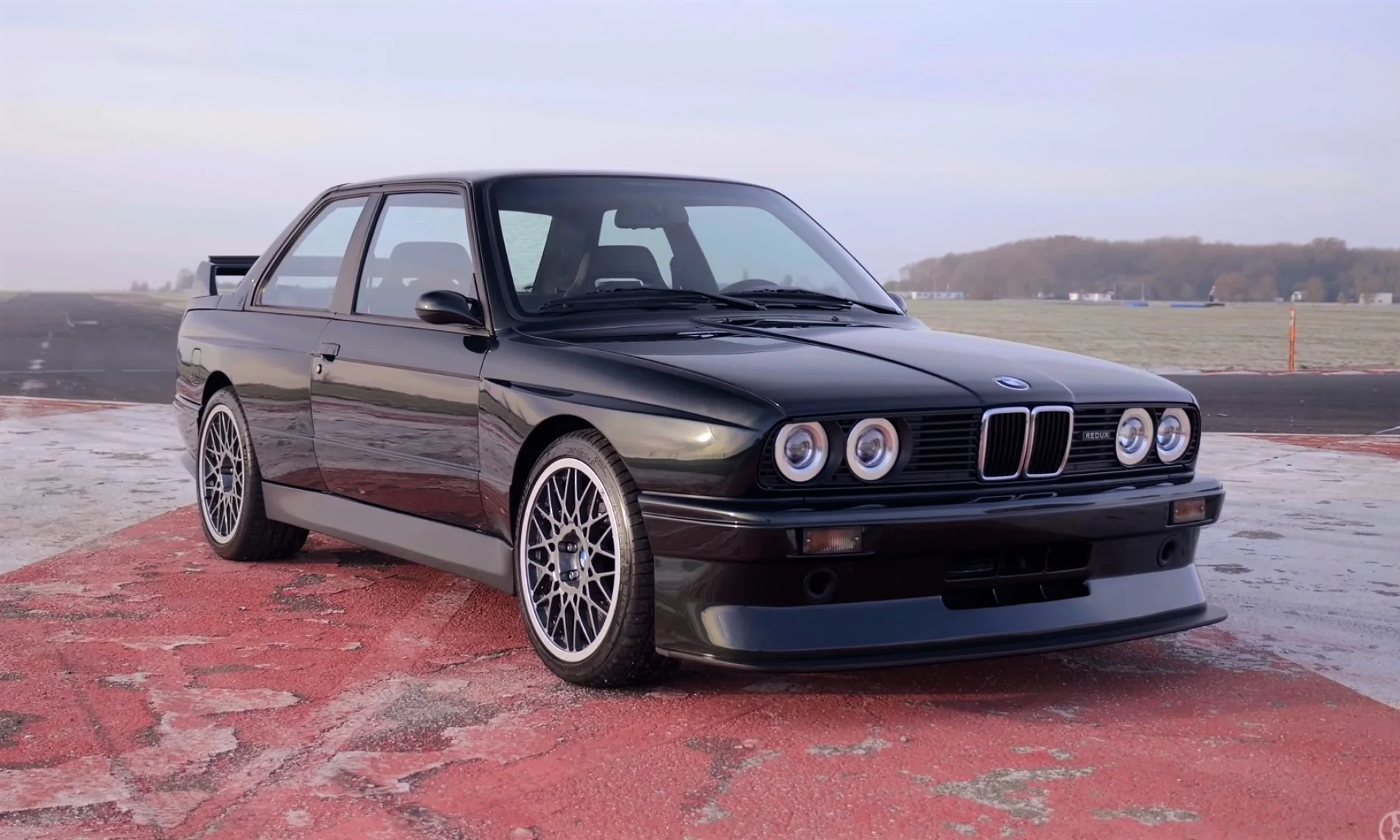
UK-based Redux has taken the BMW E30 M3, one of the great touring cars, and resisted the temptation to ruin it with unnecessary power upgrades. The original car dominated Group A racing worldwide and built BMW M’s reputation in the process, with titles in DTM, the World Touring Car Championship, and multiple European Touring Car Championship campaigns. It was never about brute force. It was about doing everything just a little better than the opposition.
That philosophy survives in the Redux car. The S14 2,5-litre naturally aspirated four-cylinder remains the heart of the package, but it is heavily re-engineered to produce 225 kW at 8 000 r/min and 280 N.m of peak torque. Redux drops it into a rebuilt and strengthened shell that weighs about 1 200 kg. This car isn’t about headline performance figures and more about deftness of touch.
This is the most disciplined car in the group. The Redux E30 M3 seems aimed at preserving the original’s balance while giving it enough pace to embarrass cars from two generations later. That is a much harder trick to pull off than simply adding more boost.
Perfecting Perfection
Each of these cars starts with a racing story that means something to petrolheads. The Stratos conquered the WRC. The 037 fought Group B monsters and won. The Evo II became a DTM icon. The 155 won the hearts of the Alfisti, even it irked the Germans. The E30 M3 rewrote touring car history.
Their modern descendants succeed because they respect those original roles. None of them feels like a classic with a modern body kit and ramped up power figure. They are all built around a clear idea, and that is what separates a serious restomod from a badly modified classic.
![The Lego Koenigsegg Sadair’s Spear Sets a New Speed Record [w/video]](https://doubleapex.co.za/wp-content/uploads/2026/06/LEGO-Technic-Koenigsegg-Goodwood-Track_6-300x180.webp)

Have your say
Got thoughts on this?
No feedback yet on Five Race-Bred Restomods That Redefine Classic Performance. Kick the conversation off.
Free. Email link only — no password.