






In Formula One, where engineering precision, advanced telemetry and scientific analysis determine the difference between winning and losing, it seems rather curious that some of the world’s most accomplished racing drivers still place considerable faith in superstition. Perhaps surprisingly, for all the technology and data at their disposal, many F1 drivers remain reluctant to abandon a familiar racing number or change pre-race routines they believe contribute to their success.
Follow Double Apex on Facebook and Instagram, where we share more car content.
Childhood hero
For example, newly crowned 2026 World Drivers’ Champion Kimi Antonelli, having achieved F1’s ultimate accolade, has opted not to adopt the coveted number one – recognised as the sport’s ultimate badge of honour – for the 2027 season.
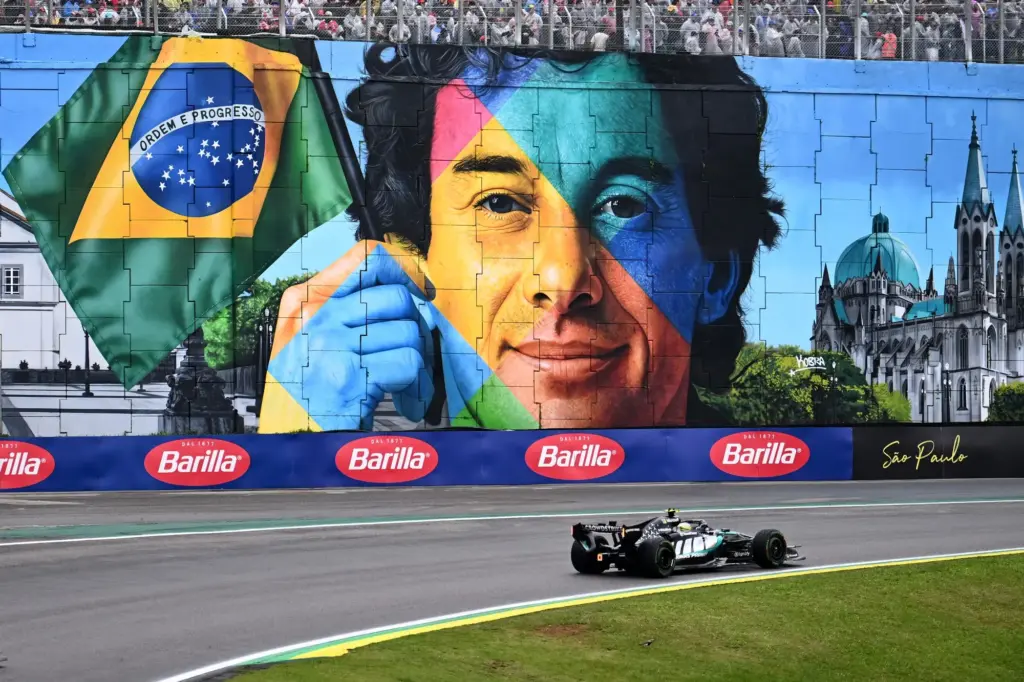
Instead, he intends to retain number 12, the number with which he has competed throughout his racing career. His decision is more than a matter of personal branding. Antonelli has a particular attachment to number 12, which was also associated with his childhood hero, Ayrton Senna. Kimi has openly acknowledged his superstitious nature, preferring not to disturb a combination that has served him well. For a young driver set to defend his first world championship, familiarity clearly has a strong attraction.
Keeping your number
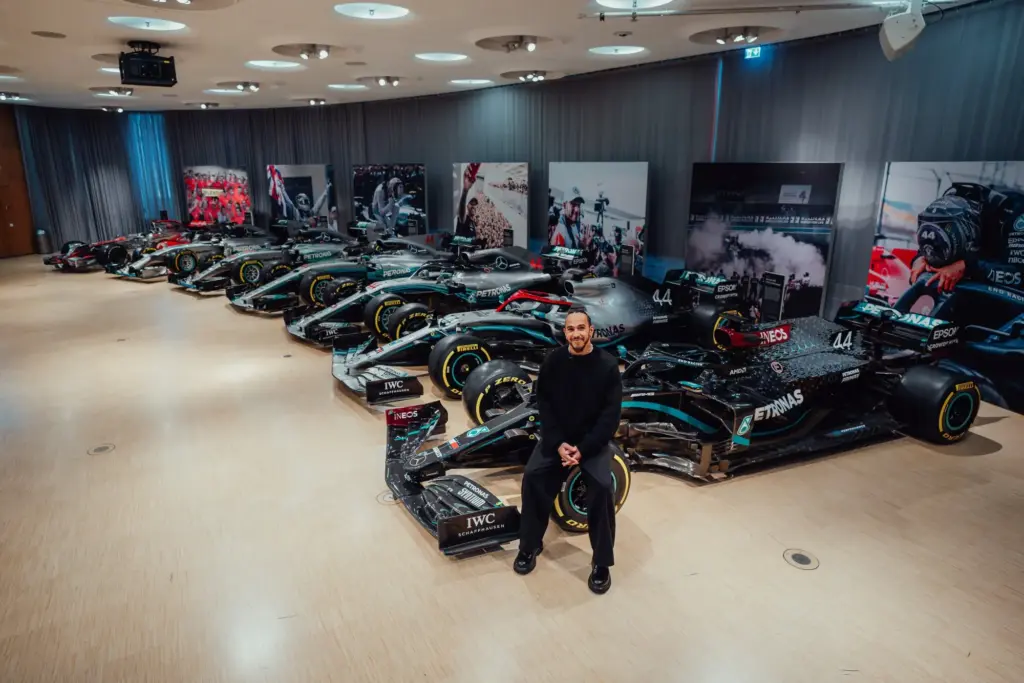
Since drivers were allowed to select permanent racing numbers in 2014, accepting the champion’s number has become a personal choice. Lewis Hamilton retained his familiar 44 throughout his championship-winning years, while Max Verstappen embraced number one after winning his first title in 2021. Racing-number superstition is today part of a much wider motorsport tradition involving personal rituals, talismans and deeply held beliefs.
Perhaps the most intriguing example of number superstition involves Michael Schumacher, widely regarded as one of the greatest drivers in the history of the sport. When Schumacher returned to F1 with Mercedes in 2010, he asked to swap his number four racing number with the number three of teammate Nico Rosberg. Schumacher had a preference for odd numbers. There was some logic, at least in his mind, as he had won all seven of his world championships in cars carrying odd numbers.
His superstitions did not end there. Schumacher regularly carried a small ceramic amulet given to him by his wife, Corinna, bearing the initials of his family. Before the 2004 Bahrain Grand Prix, he discovered that he had left it in his hotel room. A Ferrari team member was dispatched to retrieve it, and Schumacher subsequently won the race. He later suggested that recovering the charm had perhaps made the decisive difference. It was an extraordinary admission from a driver whose success was built on meticulous preparation, physical training and an almost scientific approach to racing.
Other symbolism
Not every attachment to a racing number is rooted in superstition. Sometimes it is simply about memories, family or a particularly successful moment in a driver’s early career. Hamilton’s number 44 dates back to his childhood karting days. His father chose 44 because of the registration number on the family car. It became the number with which he won his first karting championship in 1995.
Fernando Alonso’s attachment to 14 is particularly specific. On 14 July 1996, aged 14, he won a karting world championship driving a kart carrying number 14. He has regarded it as his lucky number ever since.
Sebastian Vettel chose number five because he had used it during his karting career and when winning his first F1 world championship in 2010. He also famously personalised his helmets, sometimes incorporating small lucky charms given to him by his grandmother.
Other odd behaviours
Number preferences are only part of a much broader collection of superstitions that have followed drivers throughout the history of motorsport. Former F1 driver Stefano Modena was particular about how his safety belts were fastened and always entered his car from the left side. Nico Hulkenberg (and Mark Webber) also believes it is good luck to climb in from the left.
Former Benetton and Williams driver Alex Wurz was well known for wearing mismatched racing boots (one red and the other blue) while Carlos Sainz has a favourite cap that followed him through his early racing years until t was accidentally thrown into the crowd during a 2015 drivers’ parade. Luckily it was returned soon afterwards.
Although there is, of course, no scientific evidence that luck – in any form – influences a car’s performance or determines the outcome of an Formula One GP, nobody in F1 is particularly keen to run out of it.












Have your say
Got thoughts on this?
No feedback yet on The Curious Psychology of F1: Lucky Numbers and Racing Superstitions. Kick the conversation off.
Free. Email link only — no password.