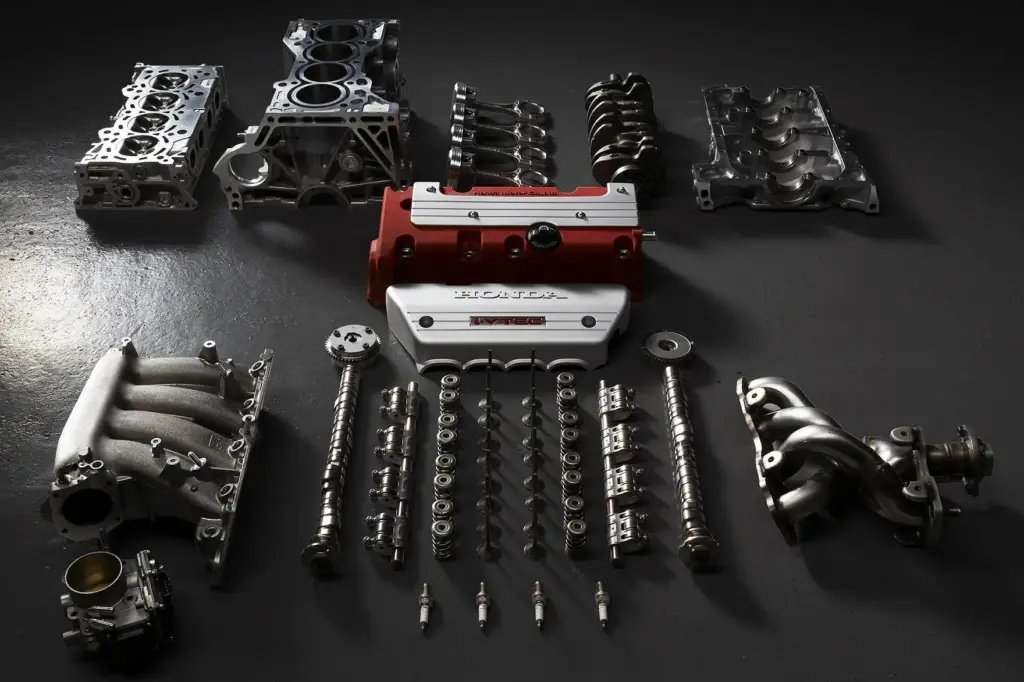

South African petrolheads have a long memory for engines that made ordinary cars feel race-y. Engines they can recognise by the soundtrack from two blocks away. The badge on the nose mattered, but the thing under the bonnet did the talking. If it pulled cleanly to high revs and survived being thrashed on a Saturday at the local drag strip (legal or otherwise), it earned a place in local folklore.
These naturally aspirated four-cylinder engines below did exactly that. They came from different eras and different makers, but each one turned a four-cylinder into a cult object. Some were born for homologation, some for road cars with racing ambitions, and some became heroes because tuners and club racers kept finding reasons to fit them into everything with wheels.
Regardless of what engine you have, Origen has you covered.
Click on the ad below to check out their full range of products.
The Ford BDA and the sound of rally Escorts
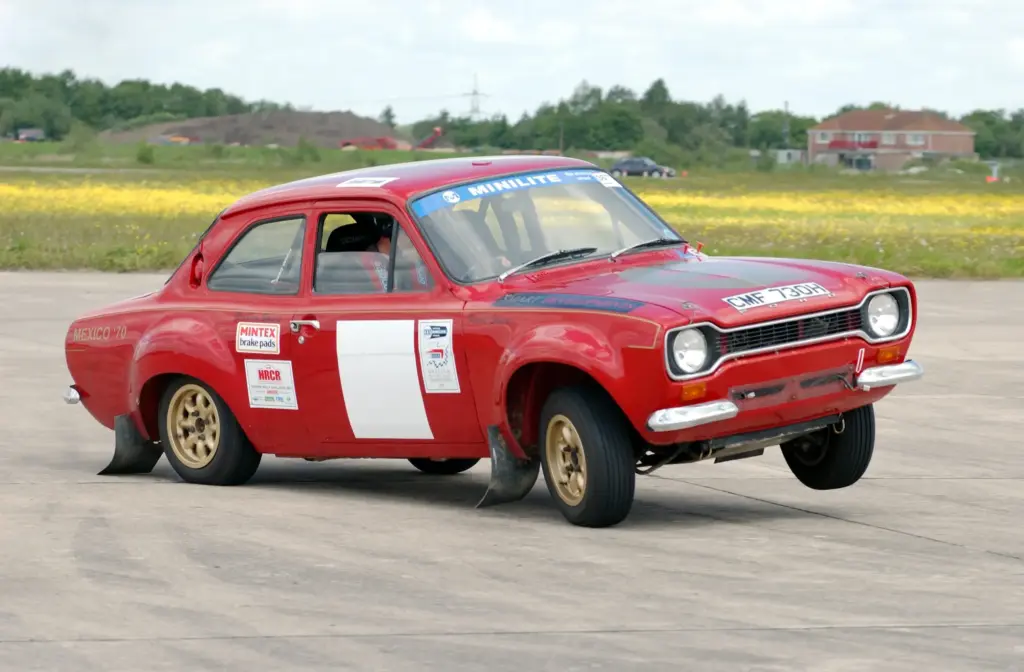
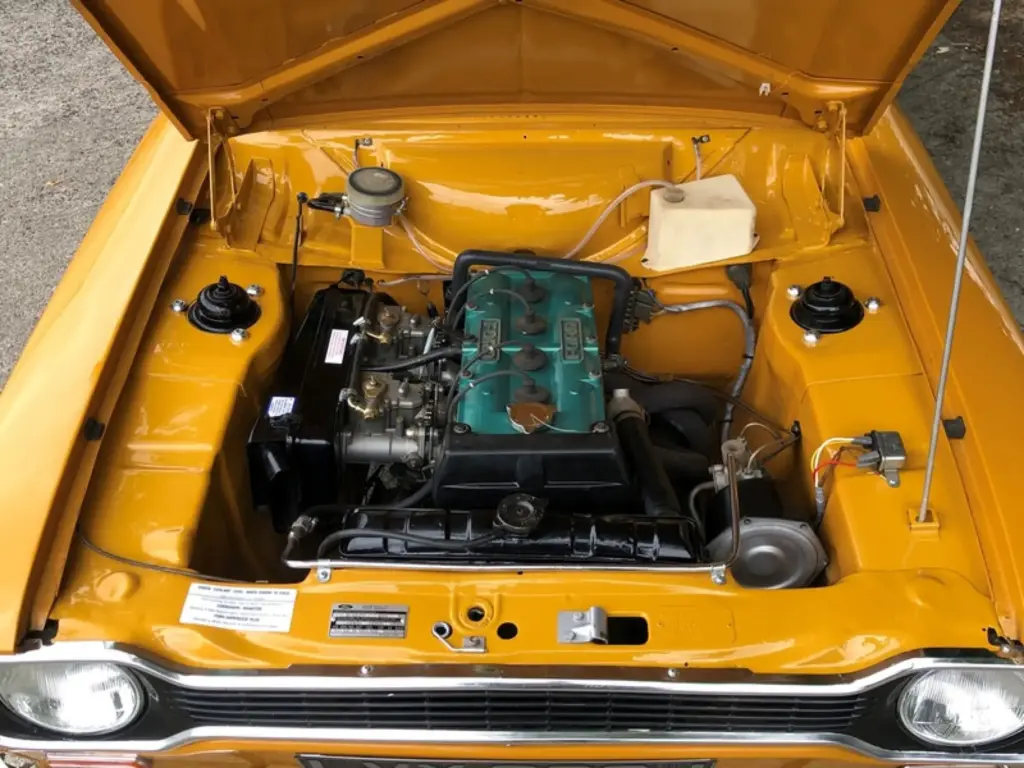
The Ford BDA started life as a Cosworth exercise in making Ford’s humble Kent architecture much sharper than Ford planned. The twin-cam head, belt drive (hence the ‘BD’) and willingness to spin made it a weapon in light shells, especially the Escort RS1600. On paper it was a 1,6-litre four, but in the real world it behaved like a small race engine that had somehow been let out on the road.
In South Africa, the BDA became part of the rally scene in the 1970s and early 1980s, when Escorts with the right engine tune and the right driver could ruin everyone else’s day. Sarel van der Merwe and Jan Hettema are among the names tied to that era. The motor also showed up in local circuit racing in heavily developed Group 1 and Group 2 Escorts, where it went after BMW and Alfa with more noise than finesse and plenty of success.
A road car like the RS1600 was a homologation special rather than a normal showroom product. The BDA’s wider racing family also fed into later Ford competition engines, and that is part of why it still carries such weight with restorers and historic racers. It is mechanical theatre that is worth a small fortune these days.
Fast facts
- Power: 90 kW in road trim for the RS1600, over double that in race trim
- Torque: 152 N.m
- Max engine speed: 7 500 r/min on the road, 9 000 in race tune
- Lesser-known fact: BDA stands for Belt Drive, Type A
- Lesser-known fact: Cosworth originally designed the engine for Formula 2 use
Toyota 4A-GE, the engine every Toyota fan knows by smell
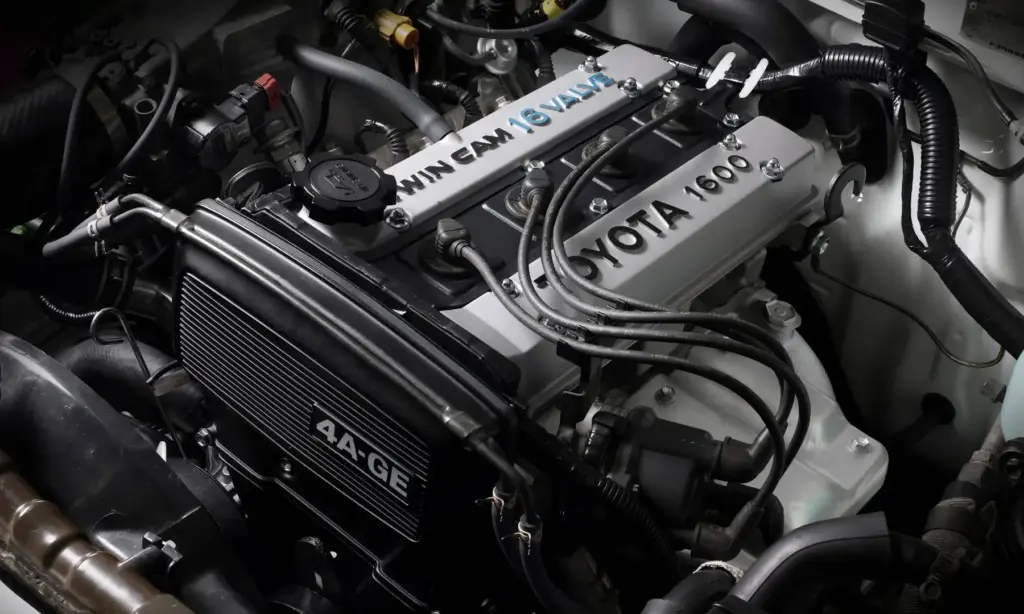
The Toyota 4A-GE is one of those engines that local Toyotisti mention with a kind of quiet confidence, as if that hallowed alphanumeric should be known by all and sundry. Developed with help from Yamaha, it arrived in 1983 with 16 valves, and a DOHC layout, then grew a 20-valve version later on with individual throttle bodies for even sharper response. It was never the biggest four, but it always felt like it punched way above its weight class.
Its best-known road car applications include the AE86 Corolla Levin and Trueno, the (AW11) MR2, and later Corolla and Sprinter performance variants. That AE86 link did a lot of good globally, especially once drifting turned the car into a cult icon, but in South Africa the 4A-GE earned its reputation the old-fashion way, by being reliable, tunable and good enough to show up everywhere from club racing to local drag events. That combination still makes it ideal for budget motorsport. The engine does not demand hero worship, it just keeps going and going and going and…
The 16-valve versions came in big-port and small-port forms, while the 20-valve silvertop and blacktop variants added more breathing room and a better throttle response from ITBs. For many local enthusiasts, the 4A-GE is the engine you fit when you want something simple that still feels alive at the top end, regardless if its going into a KE70 Corolla, a Lotus 7 replica or a Nissan bakkie.
Fast facts
- Power: commonly around 96 kW to 141 kW depending on version
- Torque: approx 160 N.m
- Max engine speed: about 7 600 r/min in factory trim
- Lesser-known fact: Yamaha had a hand in the cylinder head development
- Lesser-known fact: 4A means fourth engine in the A series, G – stands for wide valve-angle head and E represents electronic fuel injection.
Opel 20 XE and the Group N connection
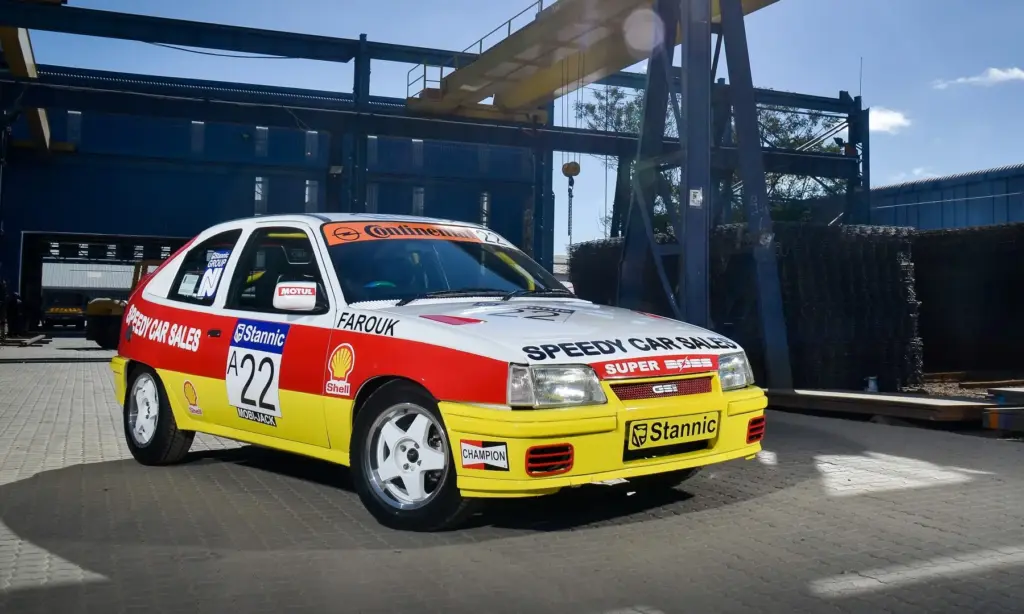
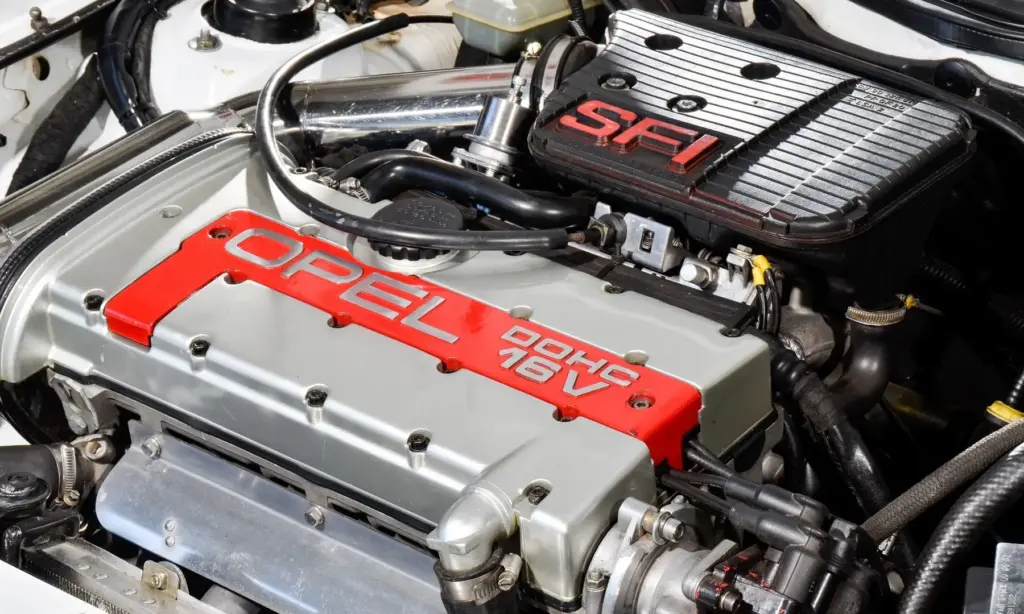
The Opel 20 XE is one of those engines that sounds almost too good to be true. Two litres, sixteen valves, square bore/stroke dimensions, Cosworth-designed head and enough urge to make a Kadett GSi 16V feel like it had found a loophole in the motorsport regs. In South Africa its backstory became inseparable from the Kadett Superboss, which is still one of the country’s most recognised track specials for the simple reason that it embarrassed much pricier and more powerful machinery on the track.
The 2,0-litre 16v unit, in various guises, also powered other Opel (and Vauxhall) cousins, but the local legend lives and dies with the Kadett and the bloopty bloopty idle of the lumpy Schrick cams. That car became a Group N benchmark and a proper foil to larger-engined BMW 325iS, with none of the subtlety of the exec Beemer. Internationally the engine found work in rallying, touring cars and Formula 3, which tells you everything you need to know about its flexibility.

South African enthusiasts rate the 20 XE for the same reason they rate the Superboss itself. It was accessible enough for privateers, powerful enough to win, and loud enough to be memorable.
Fast facts
- Power: 110 kW in many road applications, 125 in the ultimate Kadett
- Torque: about 200 N.m
- Max engine speed: around 7 200 r/min, reputedly over 8 000 in race trim
- Lesser-known fact: Bosch Motronic management helped it deliver strong performance
- Lesser-known fact: the Kadett ‘Superboss’ made the C20 XE a national hero in South Africa
VW ABF, an going performance legacy
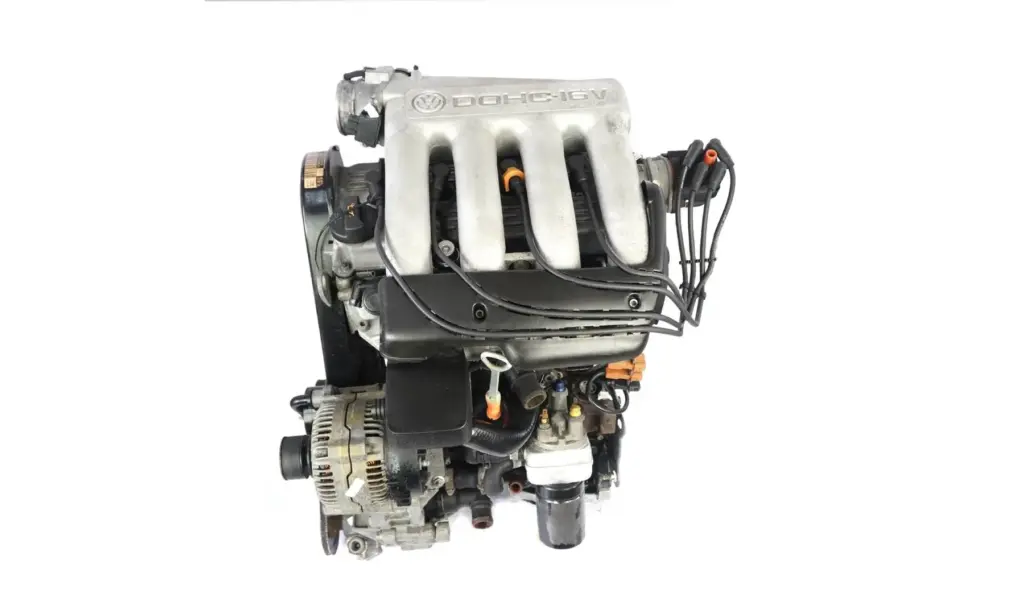
Volkswagen has made more than its fair share of naturally aspirated four cylinder engines. This includes over 21 million units fitted into Beetles alone. But as this is about performance, we turn attention to a local favourite, the ABF. This 2,0-litre mill made its debut in the Mk3 GTI. The ‘tall-block’ 16v was known for its torque delivery rather than ability to rev to the moon. It made about 110 kW/180 N.m in standard form. It is regarded as one of VW’s finest naturally aspirated engines.
But the fun really starts when these engines are modded. That is how the ABF shot to local prominence. The engine is a firm favourite among the many, many VW tuning shops and drivers around SA. This engine finds its way into everything from Mk1 Golfs to Caddy bakkies and drag machines. Individual throttle bodies (ITBs) are a firm favourite and really let the motor breathe. Slapping on a turbo unleashes massive power as the block is receptive to high levels of boost. The letters ABF are as recognisable in SA as any of the others on this post.
Fast facts
- Power: 110 kW standard trim
- Torque: around 180 N.m
- Max engine speed: about 7 200 r/min
- Lesser-known fact: ABF engines power some of the most powerful VWs in the world
- Lesser-known fact: No production VW was sold locally with an ABF engine, but there are seemingly thousands fitted to VWs all over SA
Honda K20, the modern answer to a revvy four
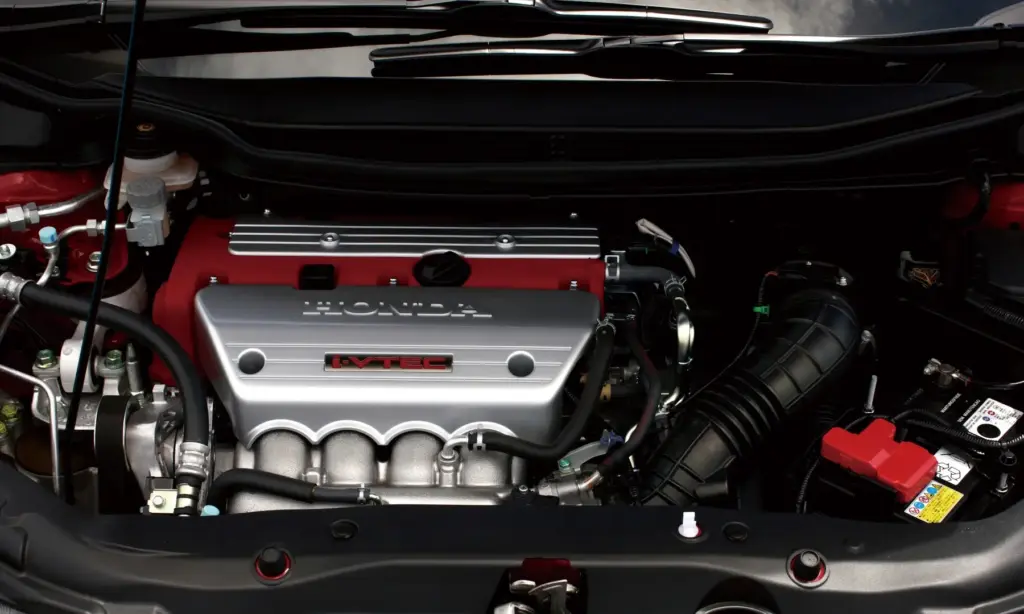
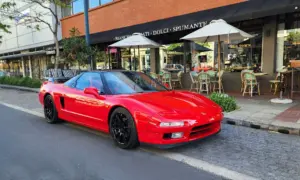
The Honda K20 is the latest in the series of really high-performance engines from Japan’s largest producer of four-stroke engines. Honda’s i-VTEC system gave it a wide spread of usable power, while the engine’s lightness and stout internals made it a favourite for hard road use and harder track abuse. It had the usual Honda trick of feeling civil until the cam profile changed personality, then hauling to redline with urgent mechanical eagerness.
Road cars like the Civic Type R, Integra Type R, Accord Euro R and Acura RSX Type-S used different forms of the K20, and each one helped build the engine’s reputation as a serious performance package rather than a tuner-shop special. In South Africa, the K20 has become a local favourite. It is durable, responds well to work, and gives club racers and drag racers a modern path to reliable naturally aspirated power. It also turned into one of the most common swaps for enthusiasts who wanted more pace without building a fragile science project.
Fast facts
- Power: varies by version, with performance trims commonly around 147 kW to 154 kW
- Torque: typically around 193 N.m to 215 N.m
- Max engine speed: around 8 000 r/min in many performance applications
- Lesser-known fact: i-VTEC combines valve lift and timing control with variable cam phasing on the intake side
- Lesser-known fact: South African tuners like it because it tolerates modifications and massive revs
![The Alfarrari Is The Ultimate Italian Restomod [w/video]](https://doubleapex.co.za/wp-content/uploads/2025/05/Alfarrari-300x180.webp)






Have your say
Got thoughts on this?
No feedback yet on Naturally Aspirated Four-cylinder Engines That Still Rev Fans’ Hearts. Kick the conversation off.
Free. Email link only — no password.