

A proper sleeper does not shout. It sits there in quiet colours, a square boot, a sensible badge, and then ruins a supercar owner’s day when the driver leans on the throttle. That is the charm of big sedans that borrowed their engines from exotic siblings. They kept the family-car silhouette and the leather-trimmed discretion, but underneath the bonnet sat metal normally reserved for something with a low roof and a seating for two. The appeal was never power for power’s sake. These cars were engineering arguments in four-door form. The result was a breed of luxury saloon that could idle through traffic one minute and blast off the next.
BMW built the first proper trap
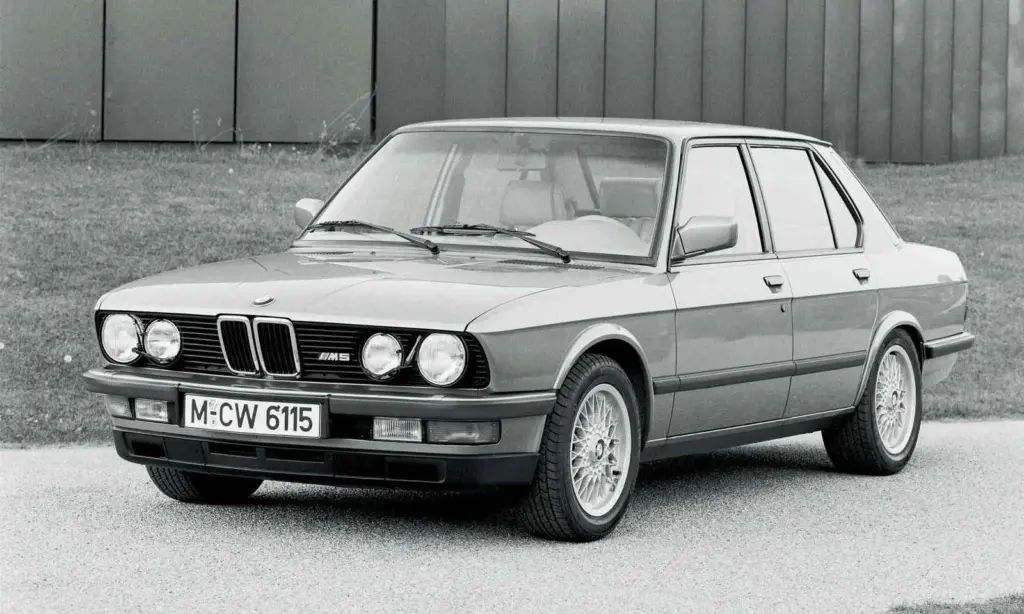
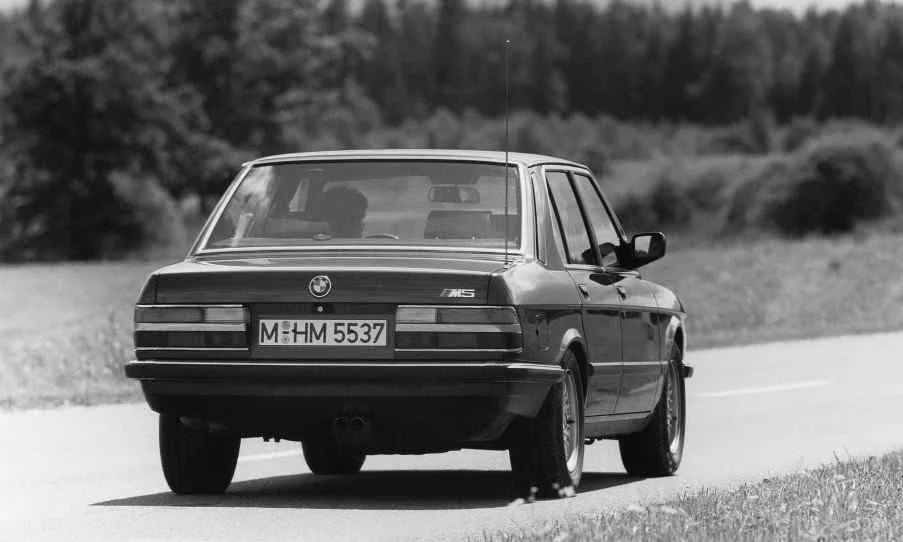
This list could not start anywhere else but with the (E28) BMW M5. The 5-series had been steadily chipping away at the dominance of Mercedes-Benz family sedans but it wasn’t until the E28 M5 arrived in the mid-1980s did the Bavarian really steal the show. M engineers dipped into the parts bin of the mid-engined M1 and borrowed the supercar’s in-line six, codename M88/3. The 3,5-litre unit pumped out 210 kW and 340 N.m of torque, breathing through a set of individual throttle bodies for crisp response.
Those outputs gave the sedan the ability to blast from rest to 100 km/h in a sportscar-rivaling (for the the time) 6,5 seconds. In addition it would run to 245 km/h flat out. Without the optional body kit (which was standard in SA), most challengers wouldn’t have known what hit them as they saw the tail end of the Beemer. The first M5 remains a yardstick for the sleeper saloon, setting the tone for all that followed.
Lancia’s V8
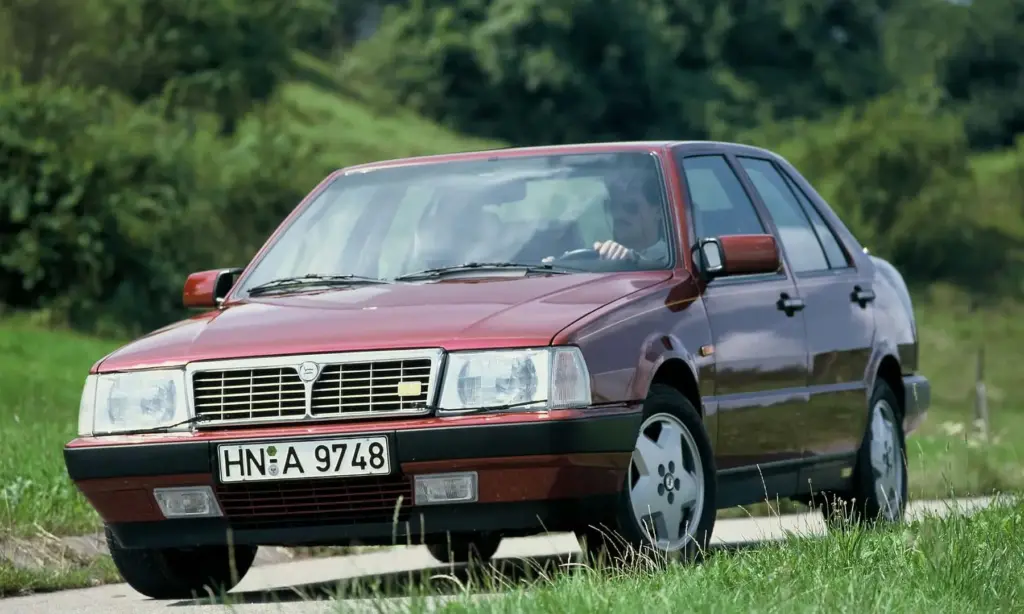
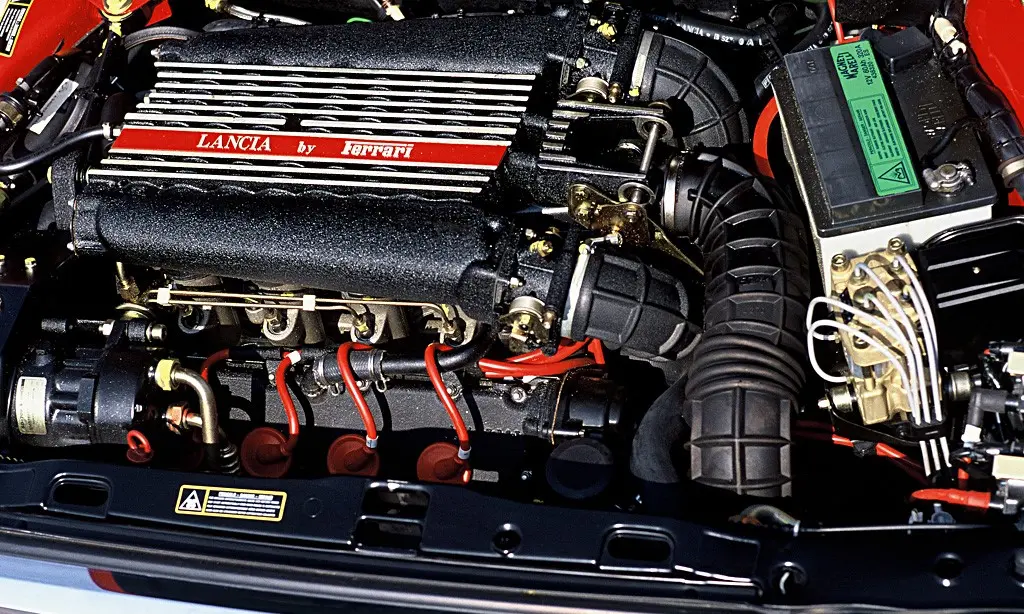
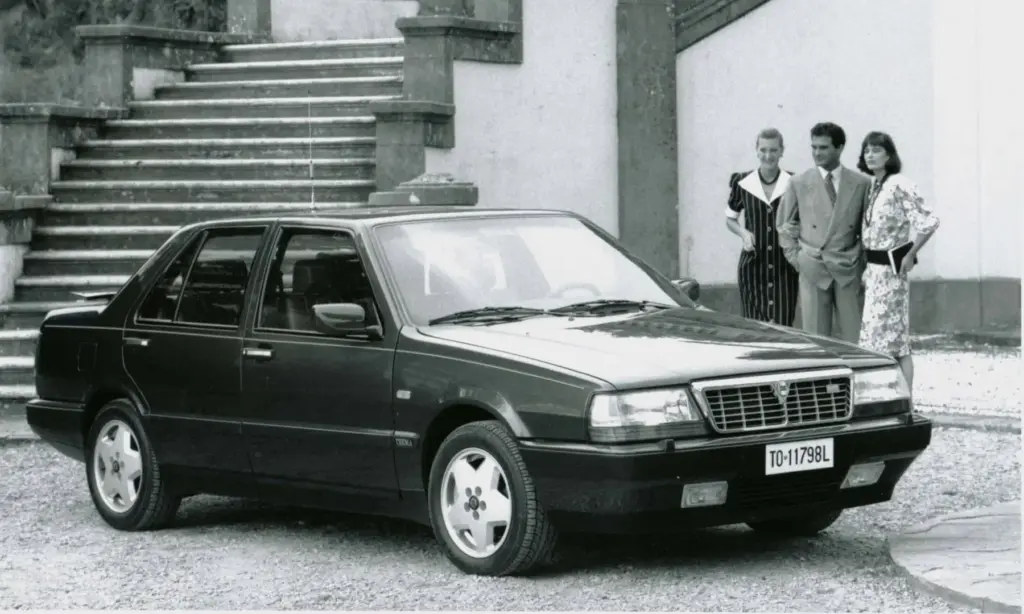
The Lancia Thema 8.32 is the one that few people remember. Under a formal Italian boxy body sat a Ferrari V8, the F105L, related to the 308 Quattrovalvole and Mondial Quattrovalvole. Lancia did not simply drop it in. Ducati helped rework the engine, including a cross-plane crank that softened the edge and gave the motor a more civilised manner than the Ferrari versions. It also gained revised Bosch Motronic injection and, in later cars, a catalyst that trimmed power.
That neat little sedan body hid its intent well. Lancia modified the bonnet to clear the engine, then made the intake and packaging work around a transverse front-drive layout that had no business handling a Ferrari V8. The gearbox, driveshafts and cooling had to be reinforced to cope with the torque. On the road, the Thema 8.32 was not a fireworks show of lap times, but it was quick enough to reach about 240 km/h and run 0 to 100 km/h in around 6,8 seconds. Its mix of silk and violence made it a cult car.
Lancia Thema 8.32 quick facts
- Engine: 3,0-litre Ferrari-derived V8
- Output: 158 kW before catalyst, 151 kW with catalyst
- Layout: front-wheel drive
- Top speed: about 240 km/h
Audi’s sledgehammer
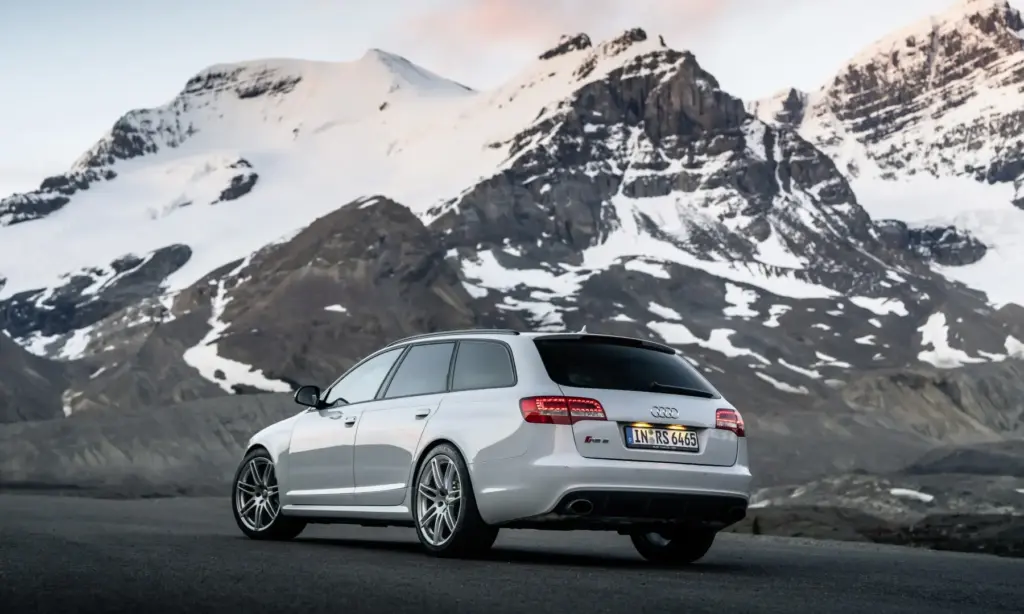
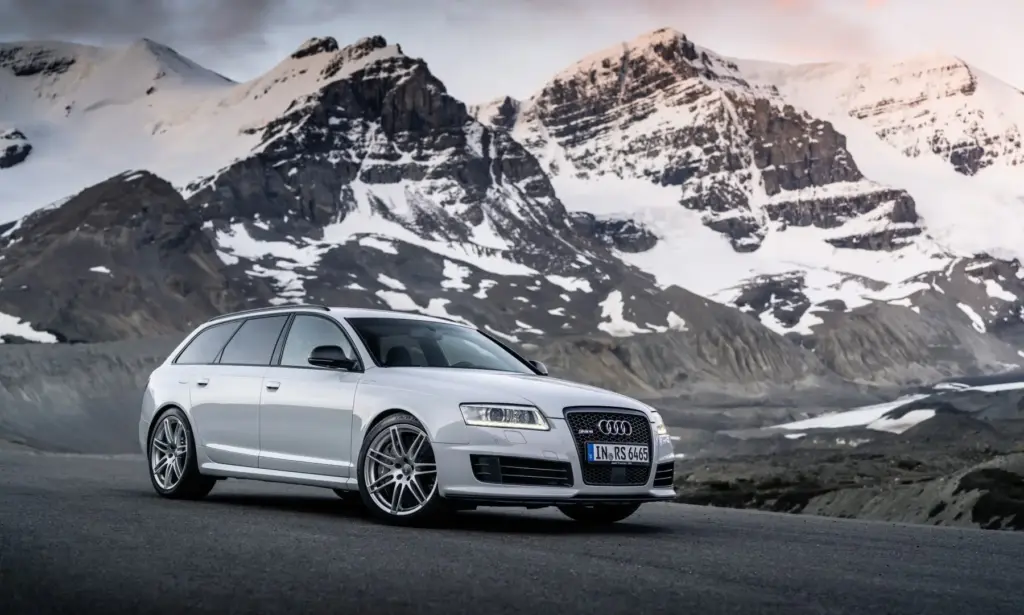
The C6 Audi S6 and S7 played a different game. Instead of drama, Audi used technical overkill. The 5,0-litre FSI V10, was borrowed from the Lamborghini Gallardo and later echoed in the Audi R8 V10. In the S6 and S7 it was softened to 320 kW and 540 N.m, which is still a ridiculous amount of torque to hand to a large four-door that looks like it should be taking children to school and not chasing supercars. RS versions went a step further with a pair of turbochargers bolted to force feed the V10. Power rose to eclipse everything else in the class, and any sportcars in the family with 427 kW of peak power.
Audi’s trick was quattro. A front-engined V10 with all-wheel drive and a Tiptronic automatic gave the car immense traction, even if the extra mass blunted the edge you got in a Gallardo. The sedan’s intake and cooling were altered for the heavier, more enclosed platform. Heat management in a big saloon is a different problem from heat management in a mid-engined coupe. The payoff was brutal, usable speed. Figure around 4,5 seconds to 100 km/h and a top speed of 300 km/h, with a soundtrack that made a quiet motorway feel like a stage. The beauty of the RS6 and RS7 V10 is that they never felt like a marketing stunt. They felt like an engineer’s joke that somebody in a boardroom accidentally approved.
Audi RS6/7 quick facts
- Engine: 5,o-litre Lamborghini-derived V10
- Output: 427 kW/6500 N.m
- Layout: all-wheel drive
- Top speed: 300 km/h
‘Ferrari’ Quattroporte
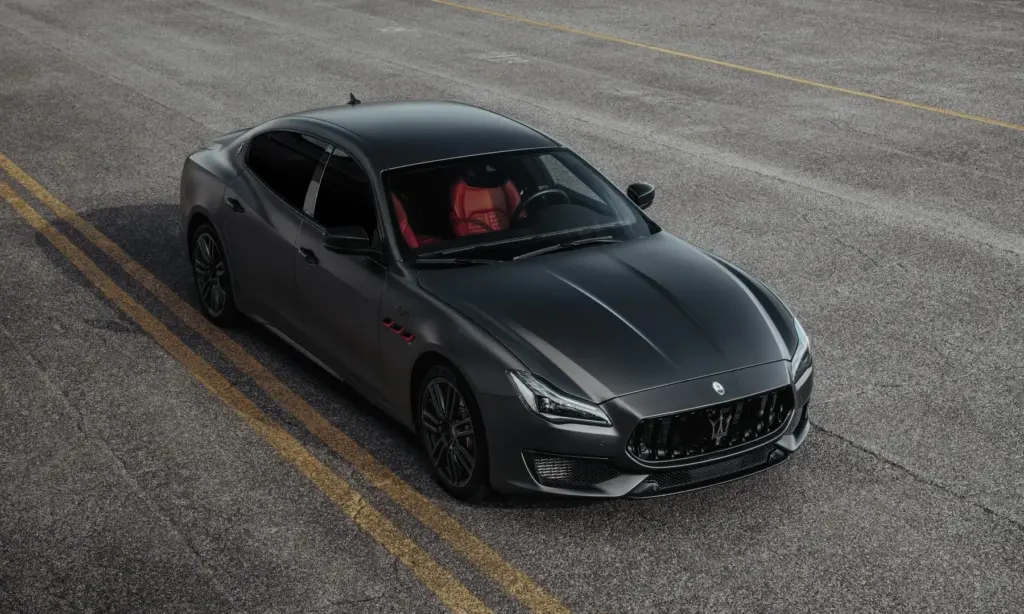
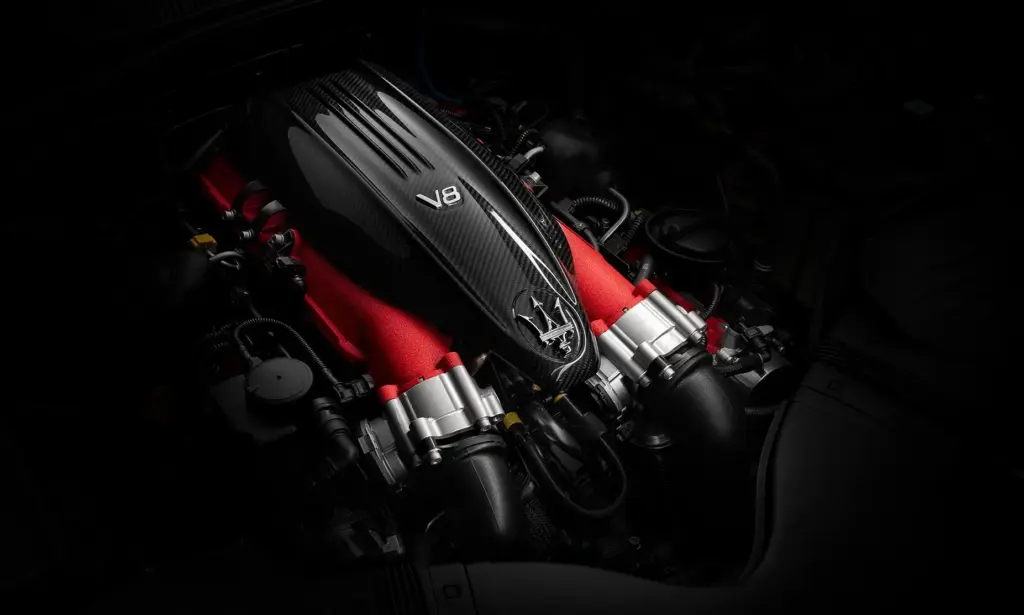
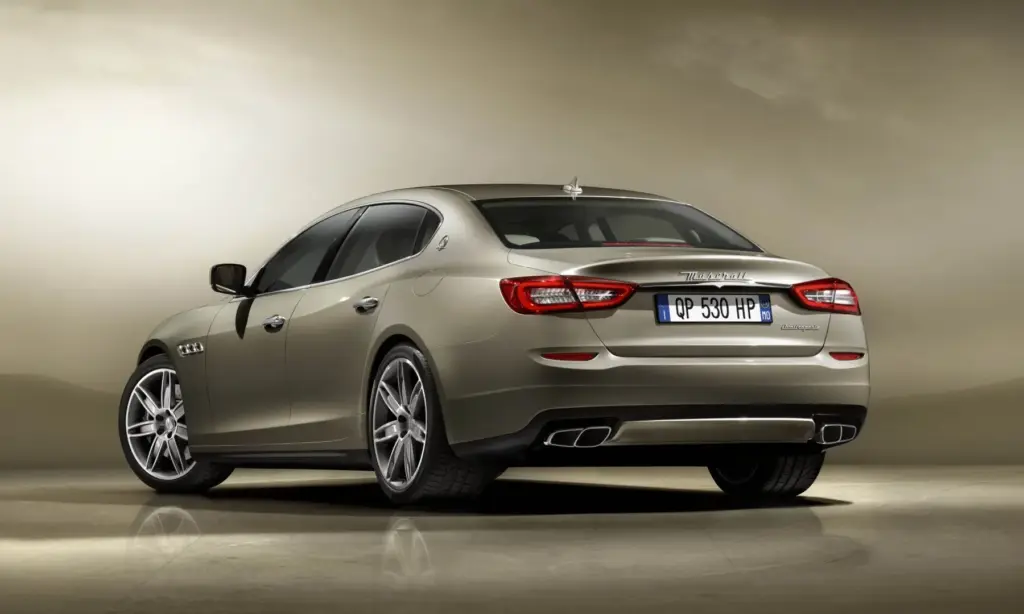
If the Thema 8.32 was subtle and the Audi was clinical, the V8 Maserati Quattroporte was pure theatre. The fifth-generation Quattroporte used Ferrari-built engines from the F136 family. The early 4,2-litre version made 294 kW and 451 N.m, while later Sport GT S and MC Sport Line cars gained the 4,7-litre unit with 323 kW and 490 N.m. These engines were cousins of the Ferrari F430’s V8 and shared the sort of free-revving character that makes tunnel acoustics feel like a delight.
Maserati did not hide what it was doing. It wanted a luxury sedan with the same mechanical attitude as its two-door relatives, just stretched into something suitable for a chauffeur or a family lunch in the countryside. The Quattroporte’s job was to combine speed with Italian excess, and it did that without apology. It was never the sharpest saloon in a straight line, but it had a harder edge and far more personality than most rivals. That V8 defined the car.
Quattroporte V8 quick facts
- Engine: 4,2- or 4,7-litre Ferrari-built V8
- Output: 294 kW or 323 kW/451 N.m or 490 N.m
- Layout: rear-wheel drive
- Top speed: ~285 km/h
Mercedes’ Bruiser
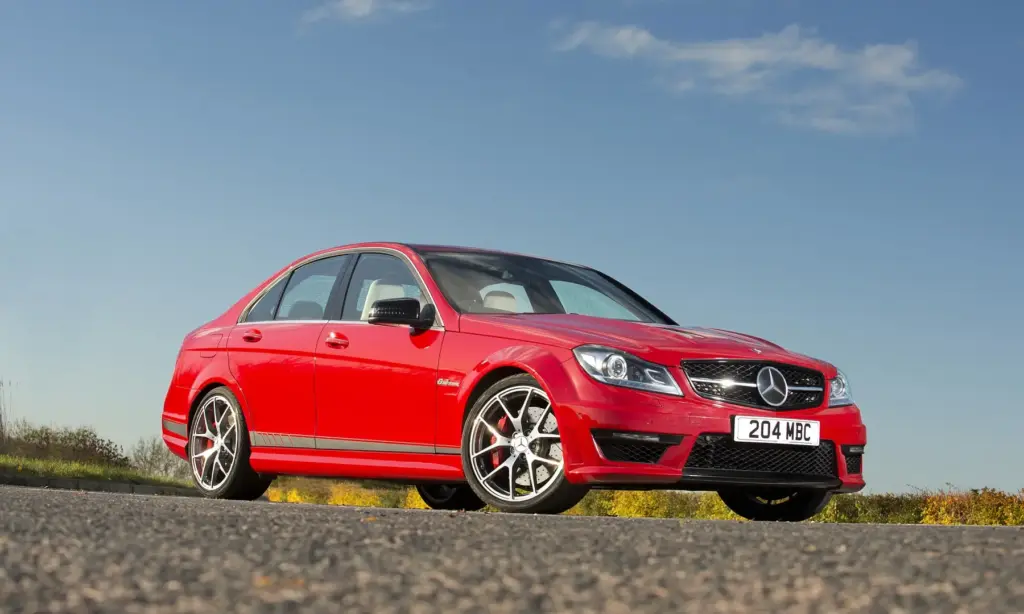
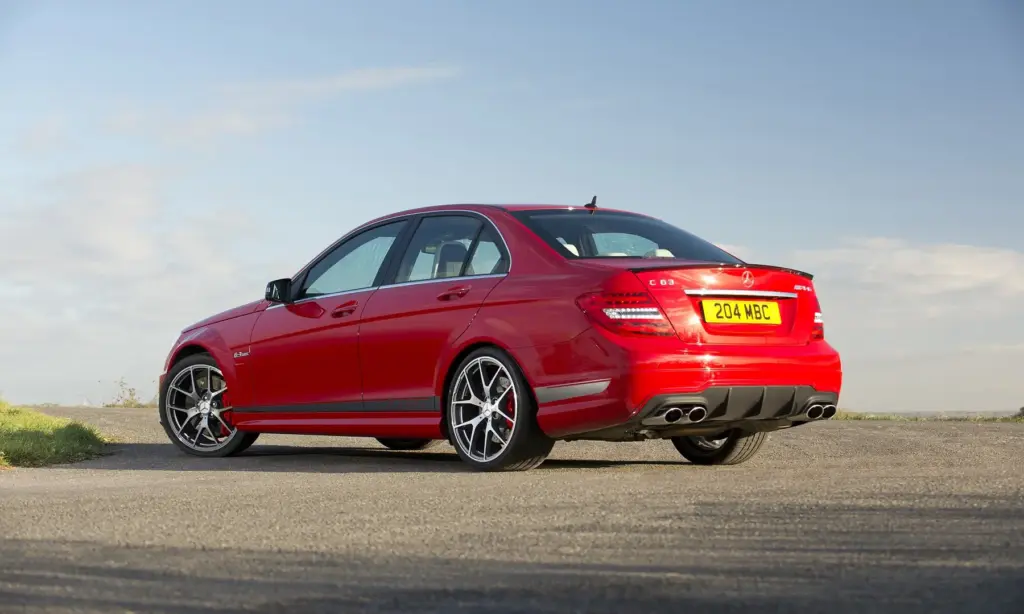
No one could accuse the W204 Mercedes-AMG C63 of lacking in firepower. The original engine produced 336 kW of power and the proverbial truck-load of torque. But the M156 engine was a complete gem and well engineered to be ramped up for additional power from the get go. Which is why a more extreme version was slotted into the long nose of the SLS AMG supercar.
As the sedans life progressed, power was lifted to the eventual peak of the 507 Edition. Not only did the 507 have the same basic architecture, but it also borrowed the forged pistons, lightweight connecting rods and crankshaft from the SLS, in addition to a new ECUU tune, bringing the two siblings ever closer together. The hottest C63, which was also available in coupe form, churned out a tyre-shredding 373 kW (507 hp) and 610 N.m of torque. Top speed, too, was raised by 30 km/h to 280.
Mercedes-AMG C63 Edition 507 quick facts
- Engine: 6,3-litre AMG-built V8
- Output: 373 kW/610 N.m
- Layout: rear-wheel drive
- Top speed: 280 km/h
The odd one out
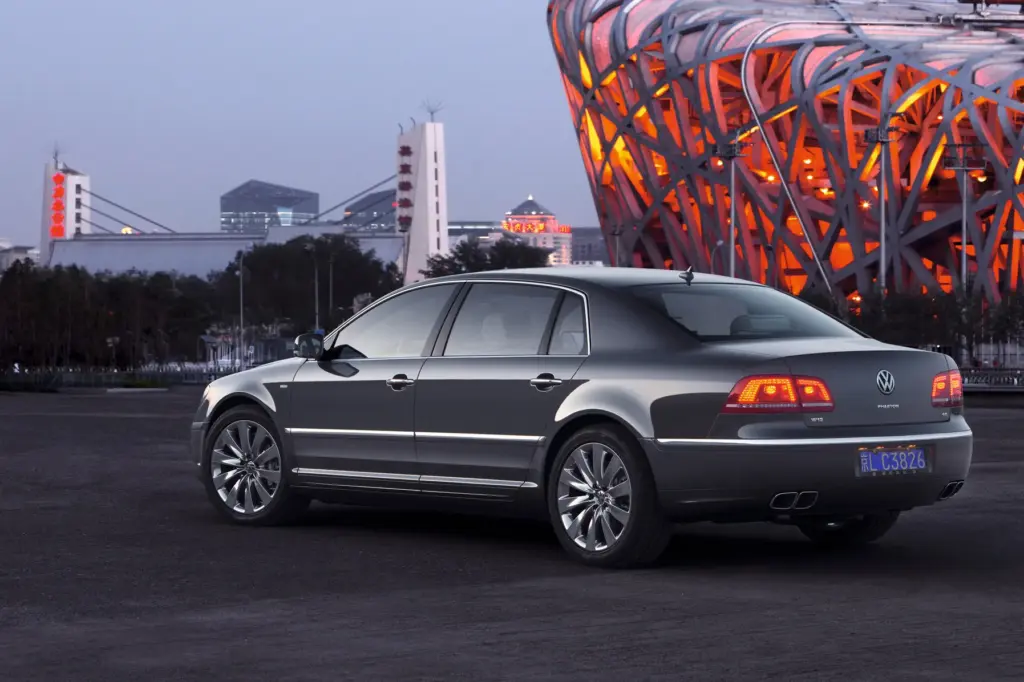
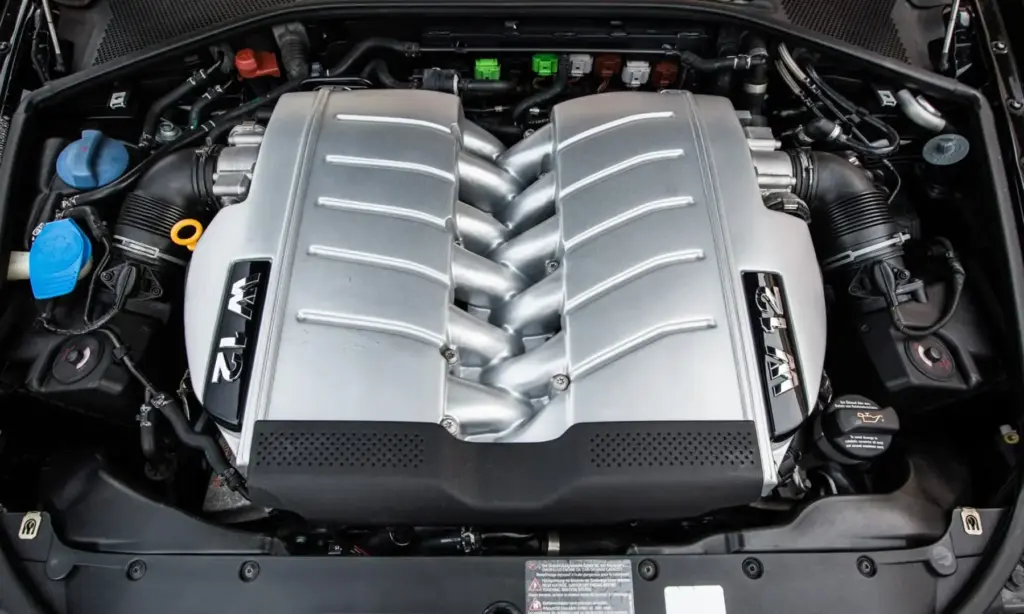
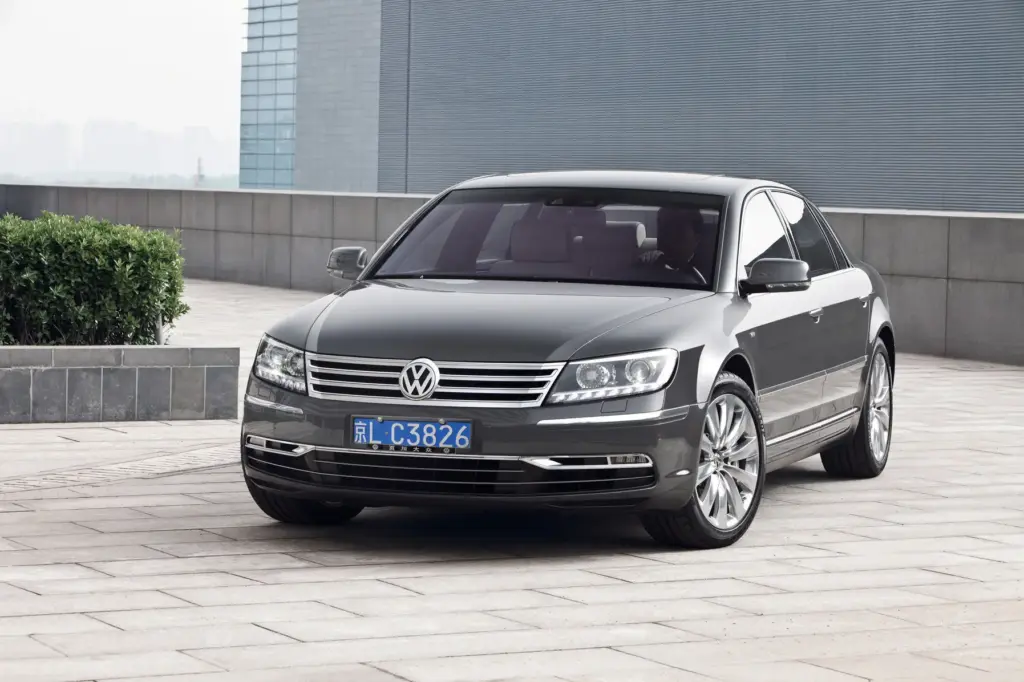
The Bentley Continental was not a supercar in any meaningful sense, but its 6,0-litre W12 proved easy enough to slot into the engine bay of VW’s Phaeton super saloon. The Phaeton was VW’s attempt to take on the likes of the BMW 7 Series and Mercedes-Benx S-Class, however it didn’t survive for more than a single generation. However, that didn’t stop VW engineers from giving it maximum effort.
There were a range of engines on offer, including a V10 TDi that it shared with the Touareg. But it was the short W12 borrowed from Bentley that was supposed to be the real powerhouse. Initial version produced 309 kW from the 6,0-litre mill, with the last of the breed churning out 331 kW that would propel the sedan to a top speed of 300 km/h from the factory.
VW Phaeton W12
- Engine: 6,0-litre Bentley-derived W12
- Output: 331 kW/560 N.m
- Layout: all-wheel drive
- Top speed: 300 km/h
That is the constant thread through all five cars. They turned the ordinary family-sedan format into a disguise. Some did it with Ferrari blood, some with Lamborghini hardware, some with a twelve-cylinder that would later power a Pagani. None of them were normal, and that was the whole point. A sleeper only works if the badge lies.
![Restomod Tolman Peugeot 205 GTi [w/video]](https://doubleapex.co.za/wp-content/uploads/2022/11/Tolman-Peugeot-205-GTi-300x180.webp)
![2022 Concorso d’Eleganza Villa d’Este [Gallery]](https://doubleapex.co.za/wp-content/uploads/2022/05/2022-Concorso-dEleganza-Villa-dEste-300x180.webp)

Have your say
Got thoughts on this?
No feedback yet on These Family Sedans Hid Supercar Engines Under Their Bonnets. Kick the conversation off.
Free. Email link only — no password.