
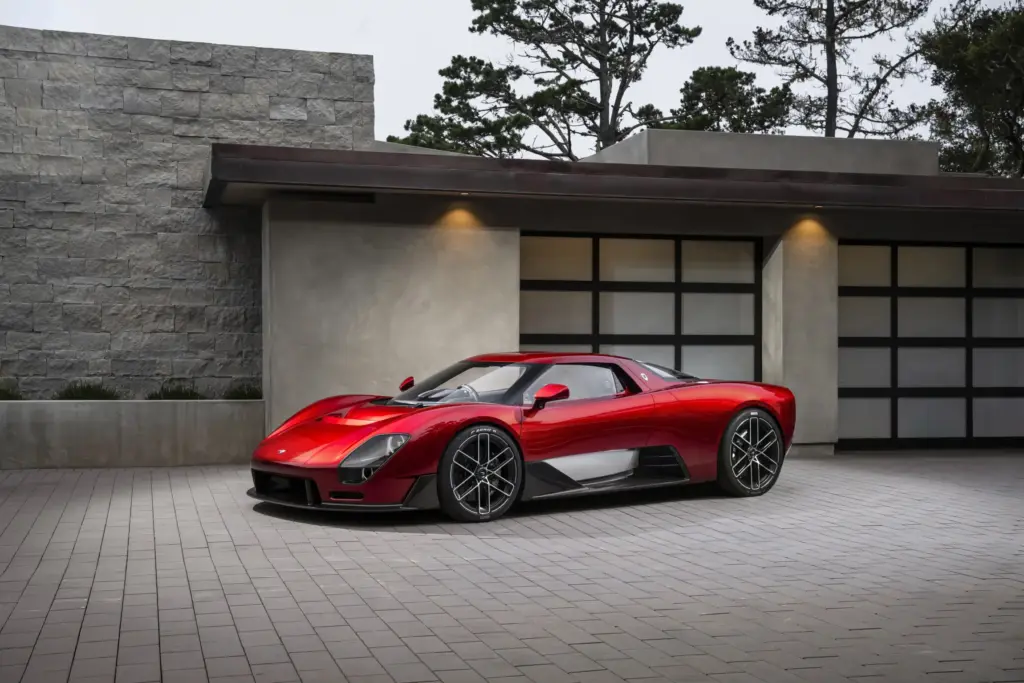
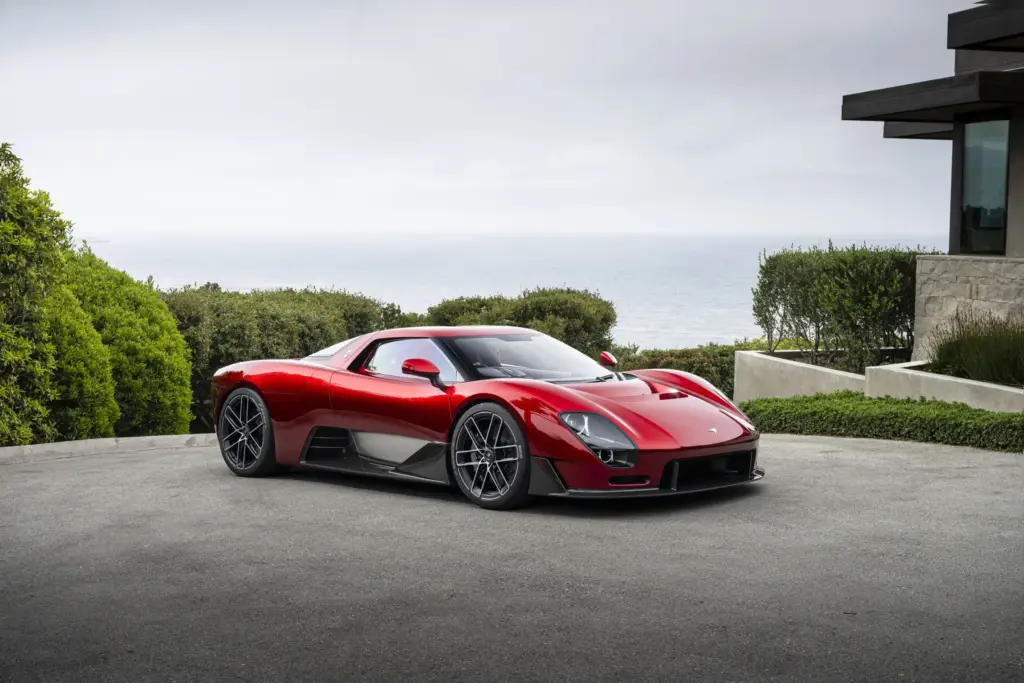
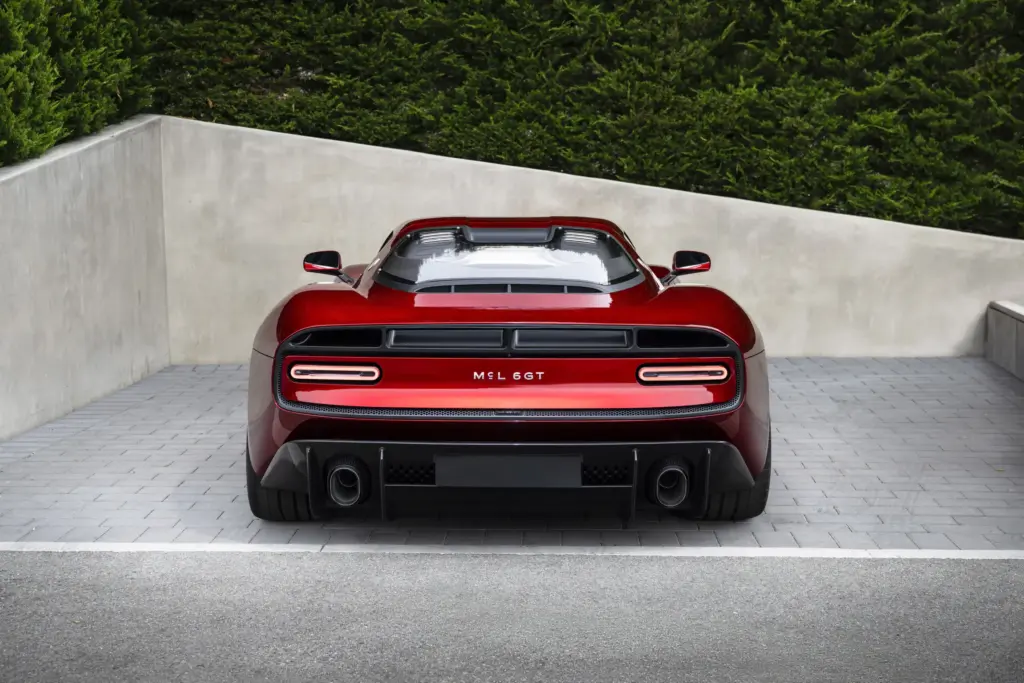

The cleanest thing McLaren has shown in years is also the most old-school: a road car built around a manual gearbox, a V8, and a proper mechanical interaction between driver and machine. The new McL 6GT concept looks like a reply to a very old promise Bruce McLaren never got to finish, not a corporate exercise in nostalgia.
Unveiled at Monterey Car Week 2026, the concept reaches back to the original M6GT project and drags that unfinished supercar dream into the present day. McLaren is not treating the car as a museum piece with number plates. It is positioning it as a new, highly exclusive strand of the brand, with a production version due in 2028.
The McLaren McL 6GT imagines what our inspirational founder had wished to complete but with six additional decades of innovation and passion woven through every element, creating a modern icon of driver connection. It is symbolic of the bold, provocative and hugely exciting future that we are preparing to realise
– Nick Collins, Chief Executive Officer, McLaren Automotive
Bruce McLaren’s road car dream returns
Bruce McLaren wanted a road car that carried the same intent as his racing machinery, only softened for public roads by fit and finish, not by compromise. The original M6GT project, based on the M6A Can-Am racer, never became the car he imagined. That unfinished idea has hovered in McLaren lore for decades, and the McL 6GT finally makes it a reality.
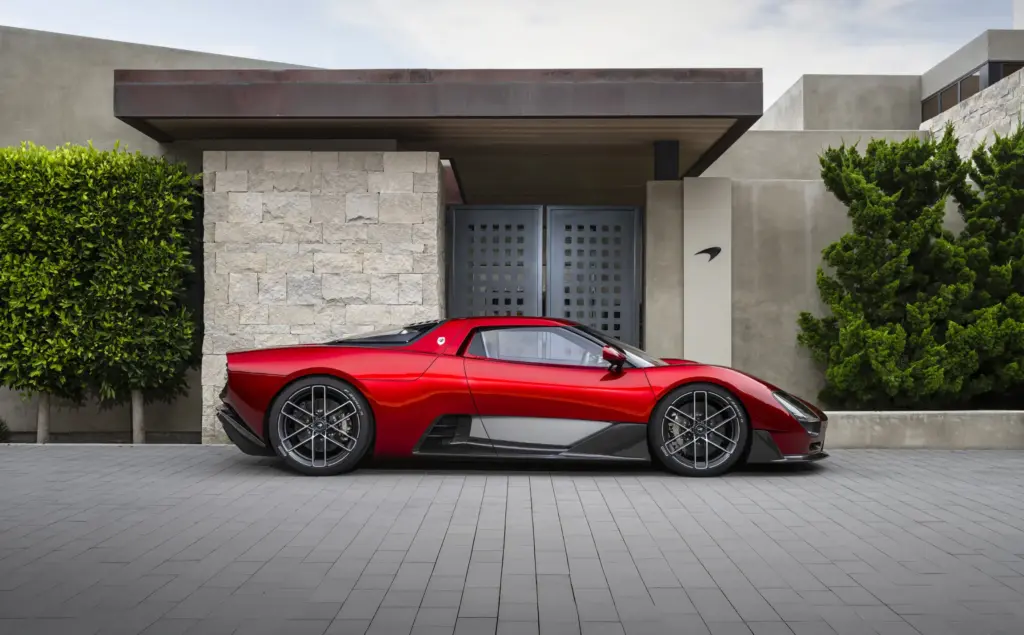
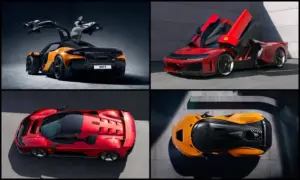
The proportions are the first clue. The concept sits low, wide and close to the ground, with a nose that feels almost compressed. The stance echoes the M6A more than any modern McLaren road car, and the surfacing backs that up. The body is drawn as one continuous form from the front end to the Kamm tail, with the cabin sunk into the volume rather than perched on top of it.
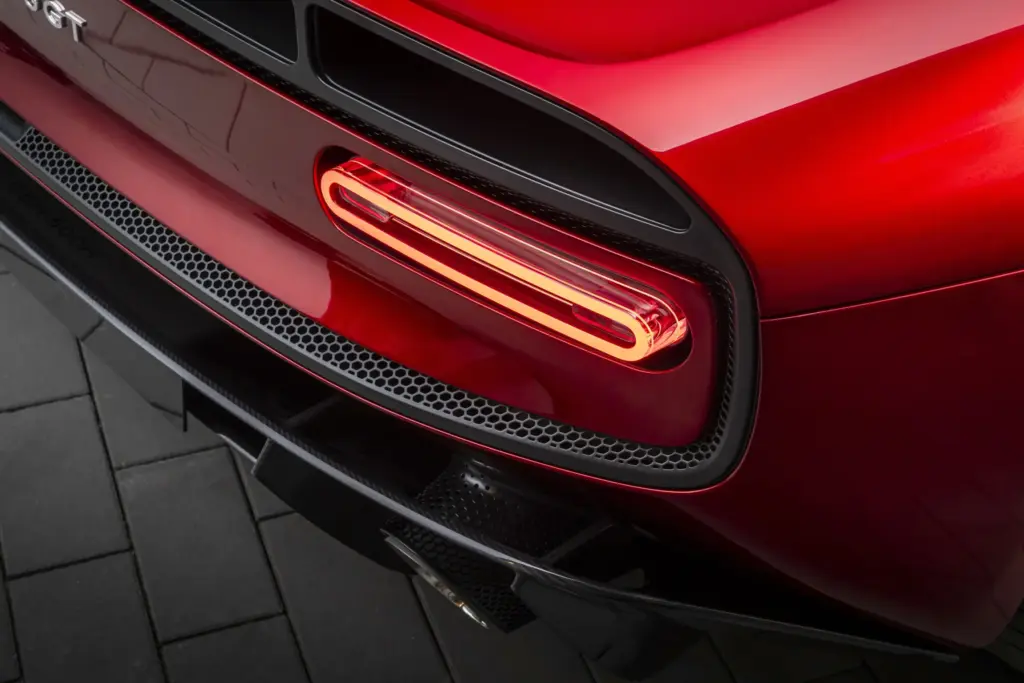
McLaren has also worked in a few direct nods that stop the car from becoming a generic retro fantasy. The rear lighting picks up the M6GT’s original taillight idea through a ‘Racing Loop’ motif, while the old M6GT number plate has been reworked as a tone-on-tone graphic. Bruce McLaren’s signature sits in the engine bay. The Speedy Kiwi, the brand’s earliest icon, is etched into the fuel filler cap.
Earlier this year, McLaren Special Operations built a one-off original M6GT for the Goodwood Festival of Speed, a carefully assembled tribute to Bruce’s in-period vision. The McL 6GT pushes that tribute further by turning the old dream into something that looks ready for a modern production line.

The manual gearbox
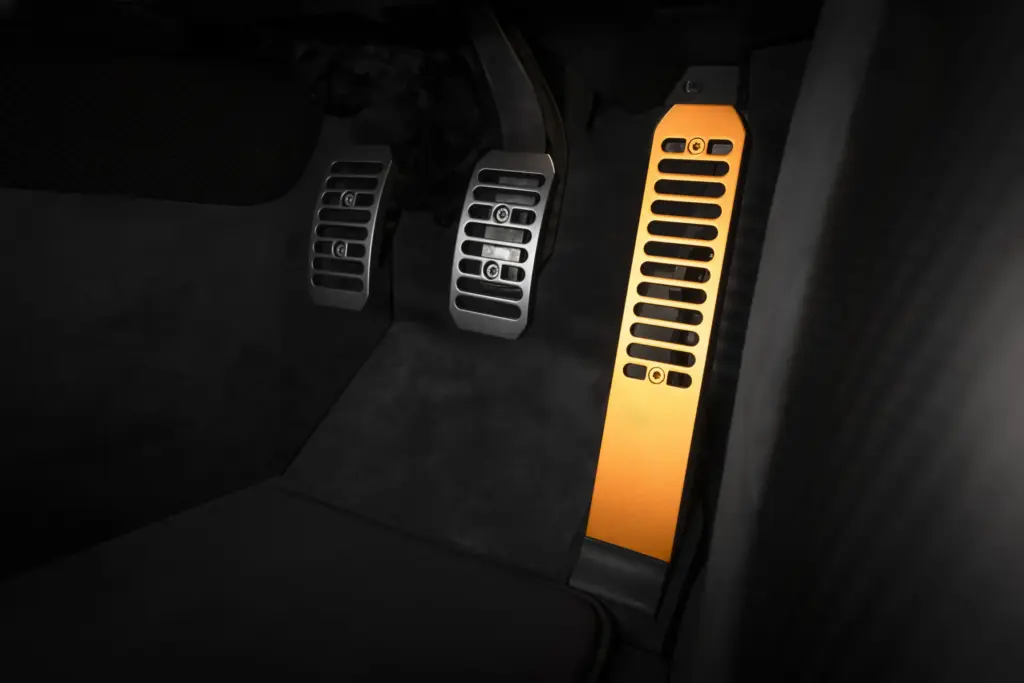
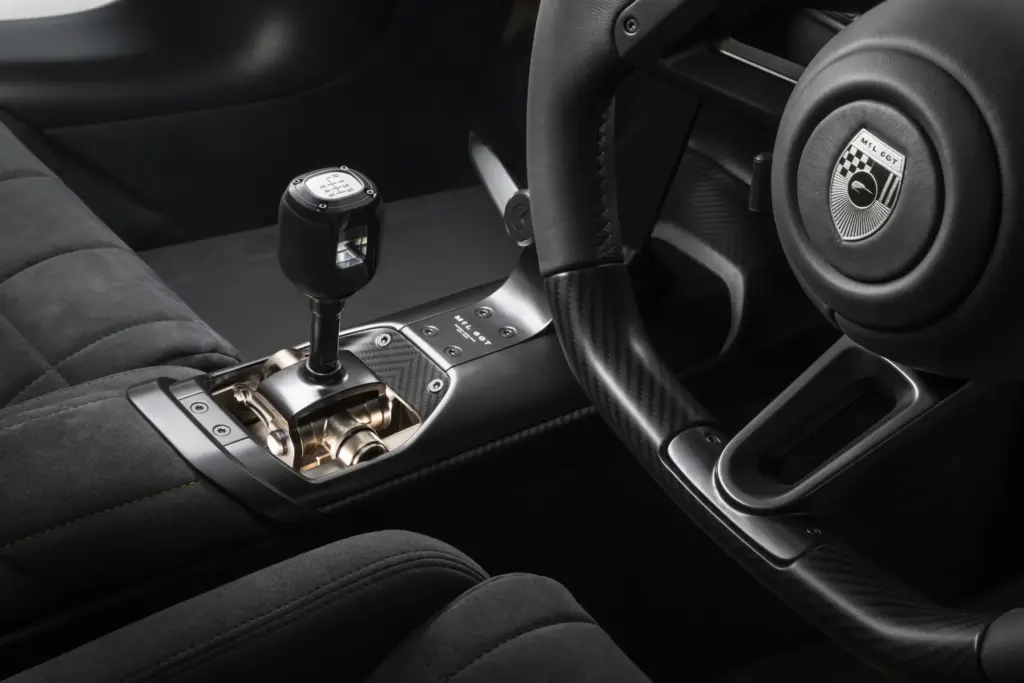
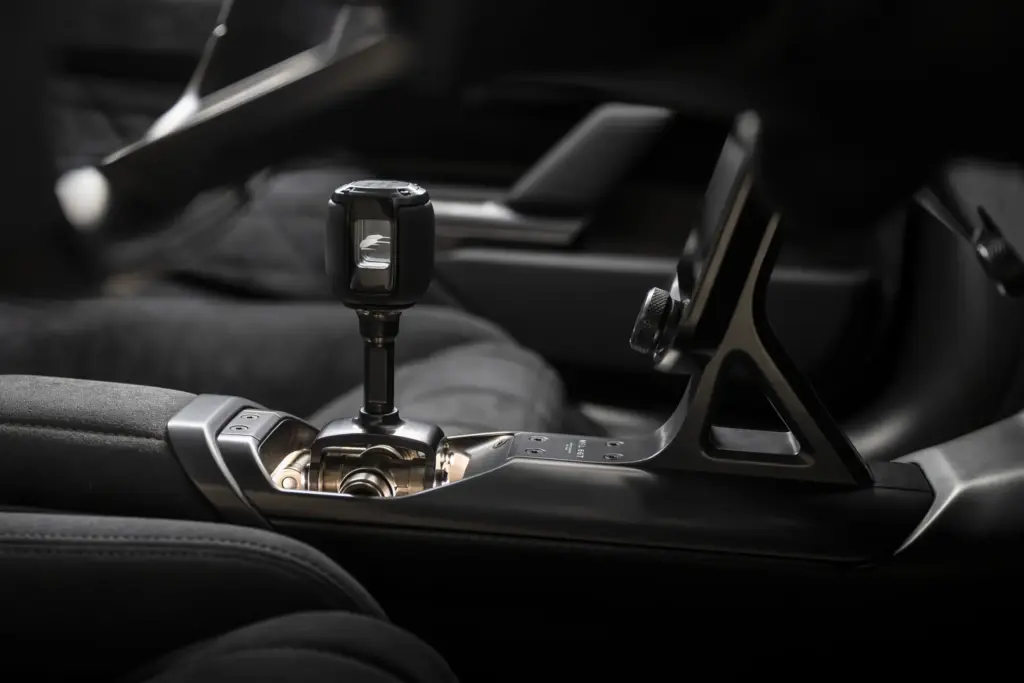
The headline detail is the fact tht McLaren has fitted the McL 6GT with a manual transmission, sending drive to the rear wheels. It is the first McLaren with a proper manual gearbox since the legendary McLaren F1. The brand could have leaned on a paddleshift setup and called it interactive. Instead, it has gone for a car that wants the driver involved in every engagement.
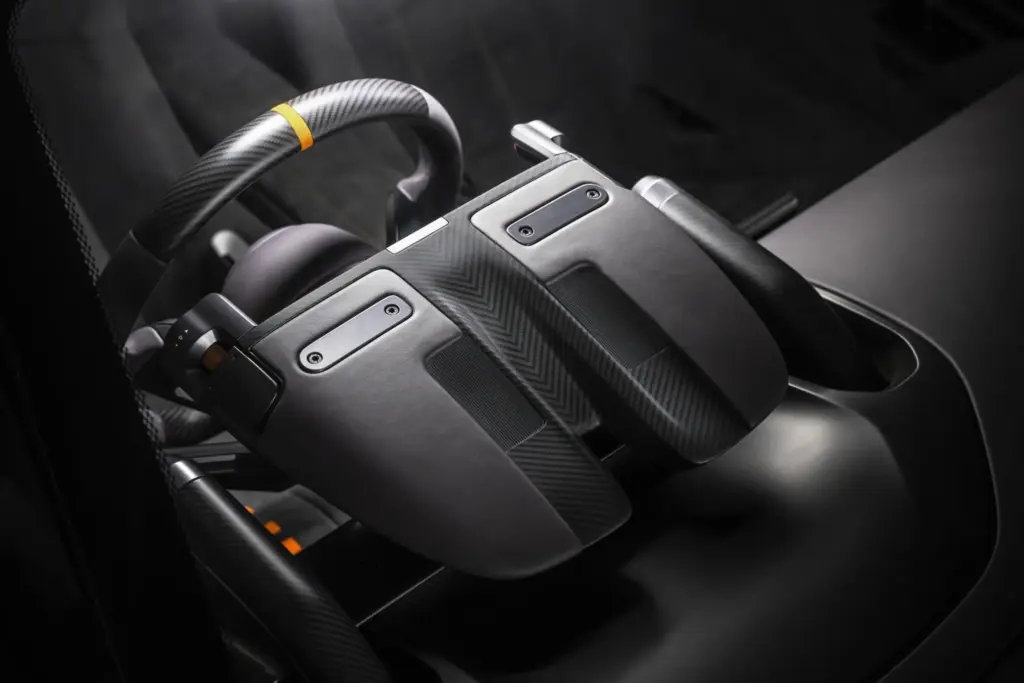
McLaren has reinforced that idea everywhere it could. Hydraulic steering replaces the filtered numbness of EPAS that many modern supercars wear as a badge of progress. The switchgear is tactile rather than decorative. Knurled machined aluminium controls add grip and texture where most brands would have buried everything under touchscreens. The gearlever is shaped for long, deliberate movement and carries a three-dimensional ‘Speed Kiwi’ in its upright, which is a neat piece of symbolism.
Carbon fibre and character
The concept uses the latest super-lightweight carbon fibre monocoque technology, plus carbon fibre bodywork, to keep the whole package focused on performance and response. The exposed gloss carbon fibre inside the cabin does double duty: it references the original M6GT and reminds you that this is still McLaren thinking, where structure and surface are allowed to meet in plain view.
What McLaren is really building
The broader message is larger than this one concept, which will turn into a prodution reality. McLaren is carving out a new tier beyond its core and expanded portfolio, one that is meant to feel more intimate, rarer and more analogue than the cars most buyers already think of when they hear the badge.
The McL 6GT places Bruce McLaren’s original road car ambition back at the centre of the brand story instead of leaving it in the archives. If McLaren gets the 2028 production version right, this could be the car that reminds the market what a McLaren can feel like when the company stops chasing tech and starts chasing involvement.
![McLaren 720S vs Porsche 911 Turbo S Drag Race [video]](https://doubleapex.co.za/wp-content/uploads/McLaren-720S-vs-Porsche-911-Turbo-S-drag-race-rear-front-300x177.webp)
![McLaren 720S crashes into Audi R8 [updated videos]](https://doubleapex.co.za/wp-content/uploads/McLaren-720S-rear-300x180.webp)
![Ferrari 488 Pista vs McLaren 720S Track Battle [video]](https://doubleapex.co.za/wp-content/uploads/Ferrari-488-Pista-vs-McLaren-720S-Track-Battle-300x180.webp)
![McLaren F1 Drifting [video]](https://doubleapex.co.za/wp-content/uploads/2022/02/McLaren-F1-Top-Speed-Record-Run-4-300x180.webp)

![Novitec McLaren 765LT Is Hypercar Quick [w/video]](https://doubleapex.co.za/wp-content/uploads/2021/02/Novitec-McLaren-765LT-profile-300x180.webp)
![McLaren F1 30th Anniversary Tour [video]](https://doubleapex.co.za/wp-content/uploads/2022/06/McLaren-F1-30th-Anniversary-Tour-1-300x180.webp)
![McLaren 765LT [w/video]](https://doubleapex.co.za/wp-content/uploads/McLaren-765LT-sideways-300x180.webp)


Have your say
Got thoughts on this?
No feedback yet on McLaren’s McL 6GT Concept Revives Bruce McLaren’s Original Supercar Dream. Kick the conversation off.
Free. Email link only — no password.