

The Porsche 911 may dominate restomod headlines, but the trend has caught like wildfire. Some of the sharpest reinterpretations are applied to machines with far stranger starting points: a Diablo with its edges cleaned up, a classic Volvo with racing hardware underneath, an Alfa coupe rebuilt from carbon-fibre, a Jaguar GT turned into a supercharged sledgehammer, and a first-gen NSX handed to Pininfarina and JAS Motorsport for a second life.
These cars keep the original silhouette and cultural allure, then rip out the parts that make old metal feel old. The result is not nostalgia for its own sake. It is a proper answer to the 911’s dominance, and in some cases a more interesting one.
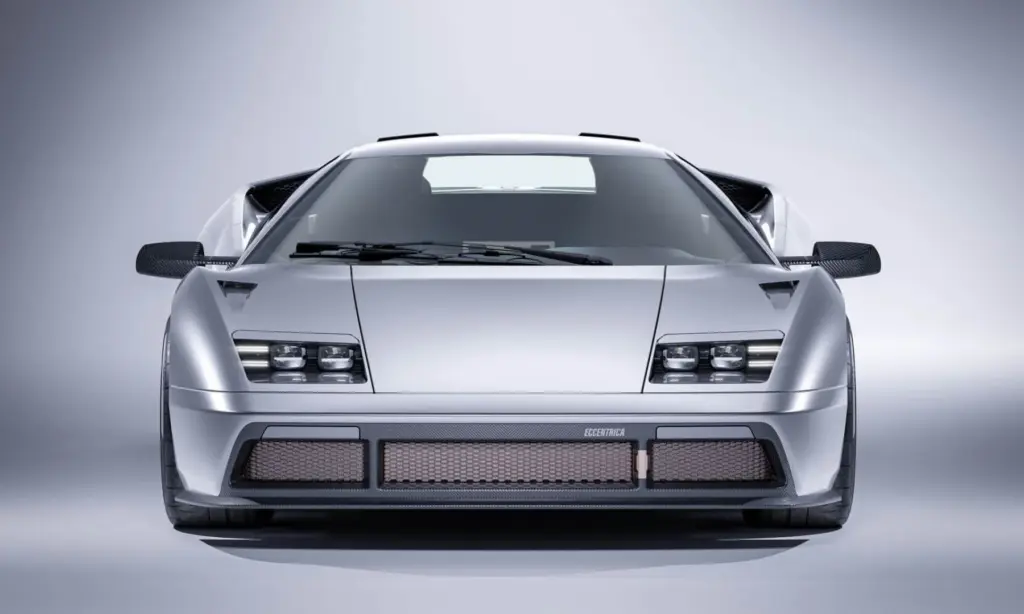
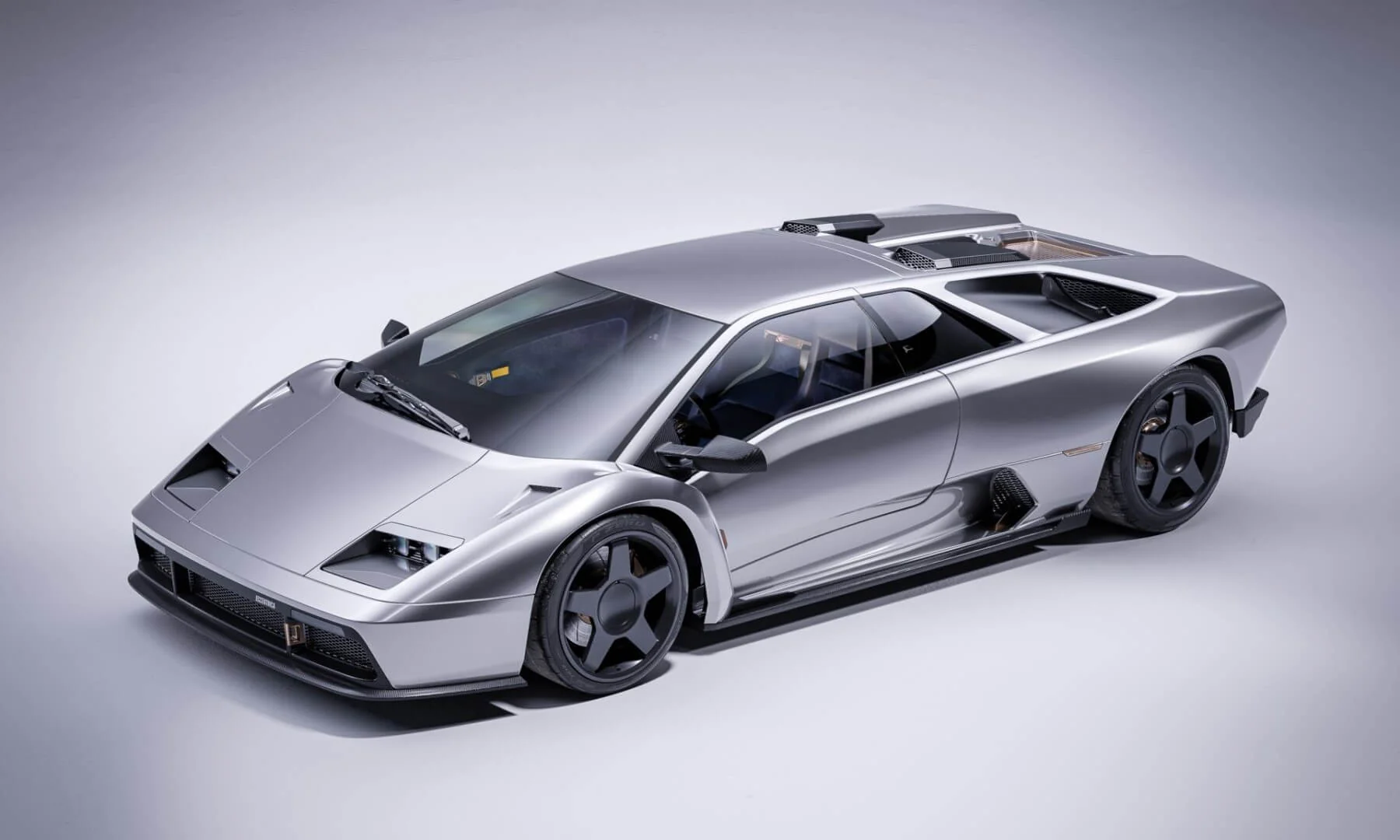
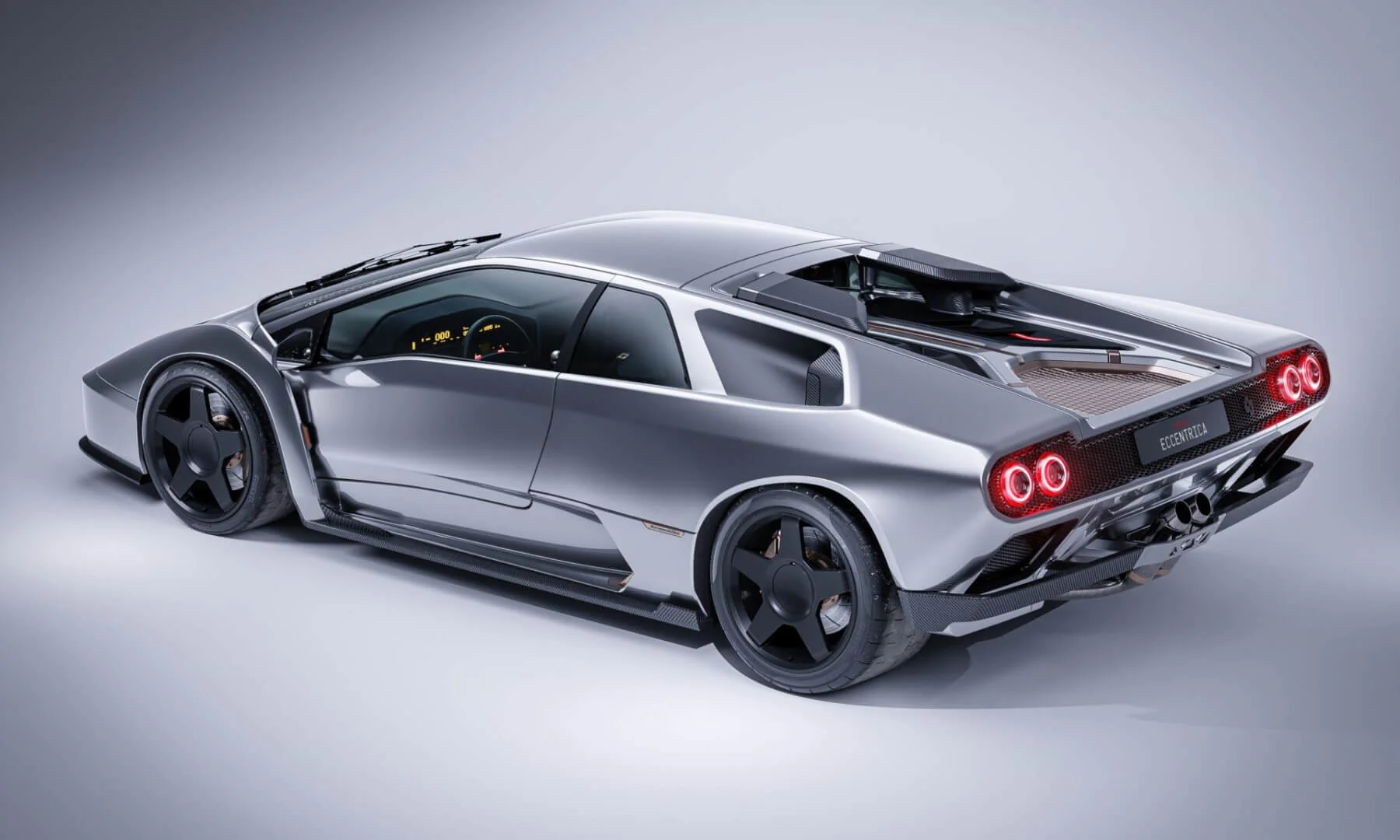
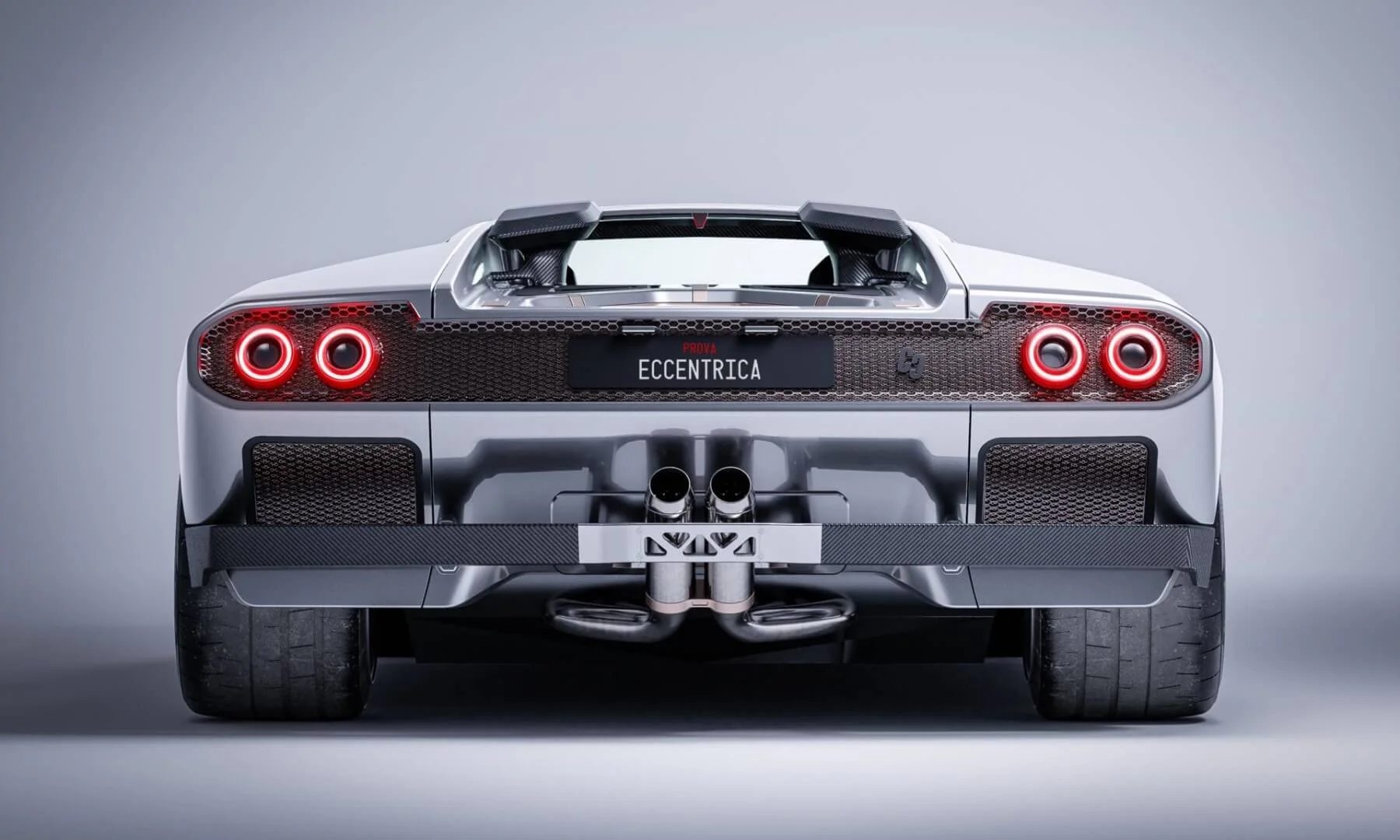
Eccentrica Diablo
The original Lamborghini Diablo still looks like a nightclub-door ornament from the 1990s, which is exactly why Eccentrica had to tread carefully. The company kept the wedge, aggression, and theatre, then tightened the whole package with a full carbon-fibre body, modern lighting, and a far cleaner execution around the iconic pop-up headlamps. The cabin follows the same principles, mixing digital readouts with proper analogue controls instead of turning the car into a rolling tablet.
Under the skin, the Diablo gets modern suspension geometry and upgraded brakes. This makes it a machine you can actually drive hard for more than one embarrassing heat cycle, rather than just a poster car. Eccentrica keeps Lamborghini’s naturally aspirated 6,0-litre V12 and turns the wick up to 552 kW and 730 N.m. The car still feels like a Diablo, but one that answers to 2026 expectations rather than 1990 machismo. It is loud, dramatic, and gloriously unnecessary, which is precisely the point.
Spec sheet
- Base car: Lamborghini Diablo
- Engine: 6,0-litre naturally aspirated V12
- Output: 552 kW/730 N.m
Cyan 1800
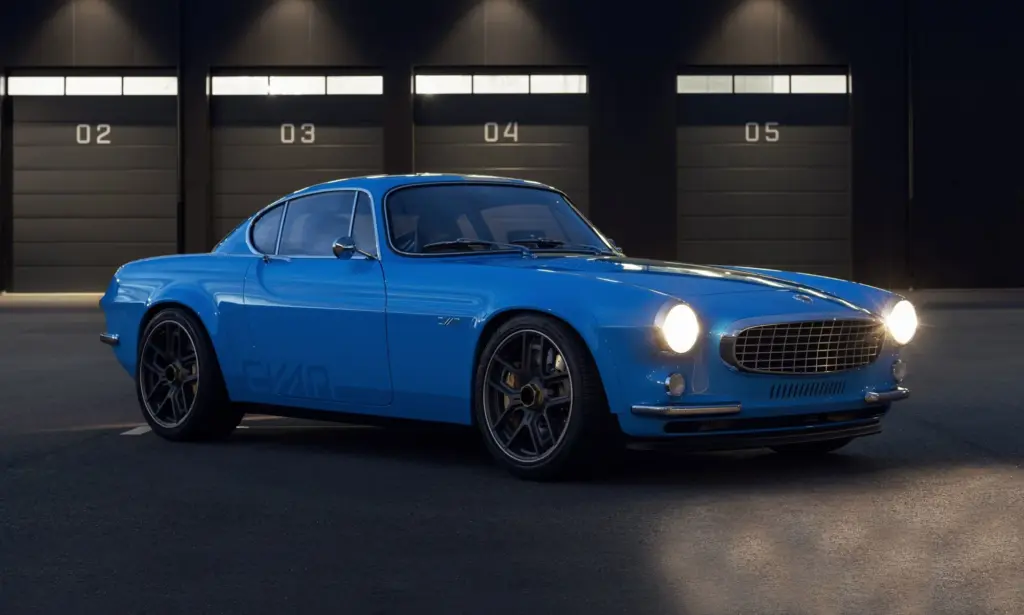
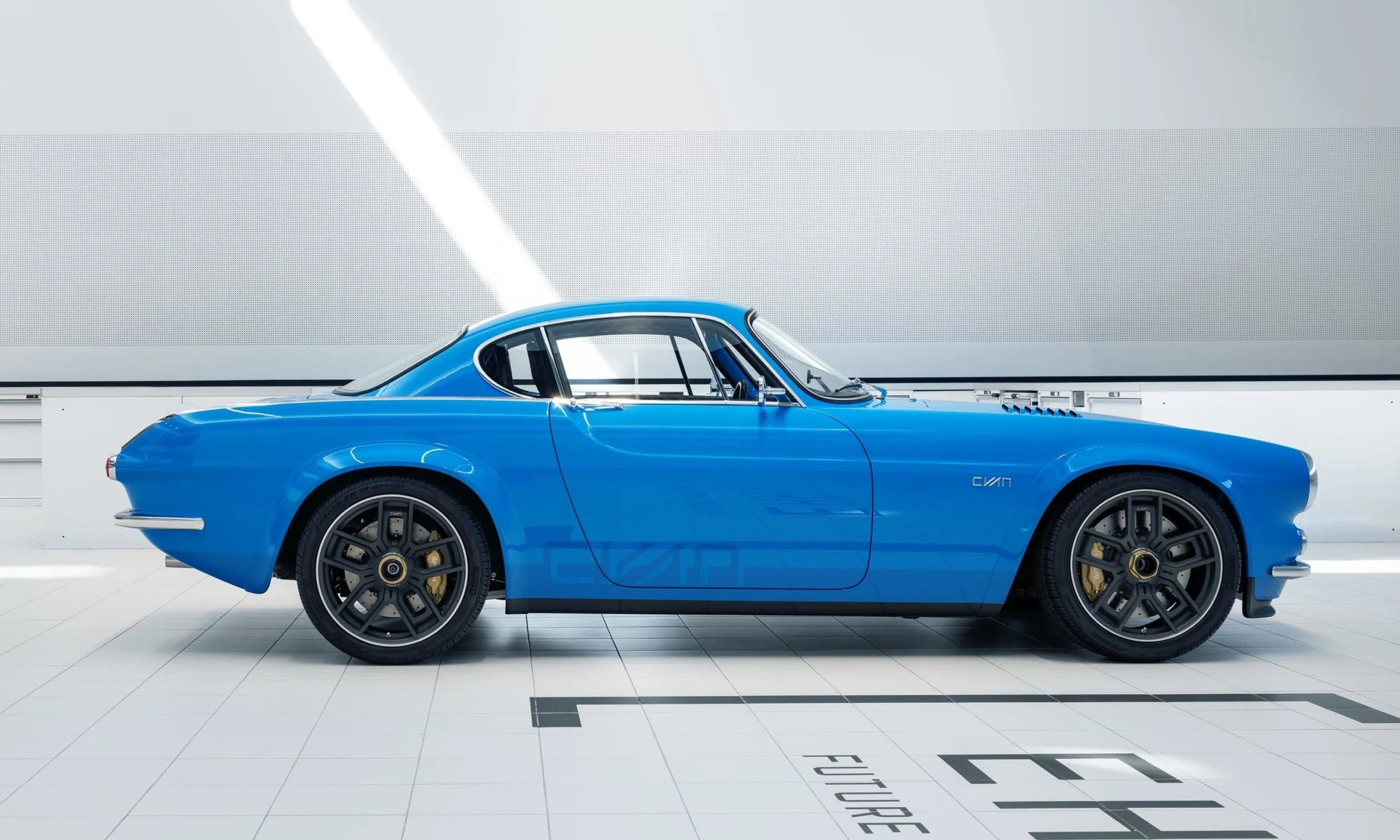
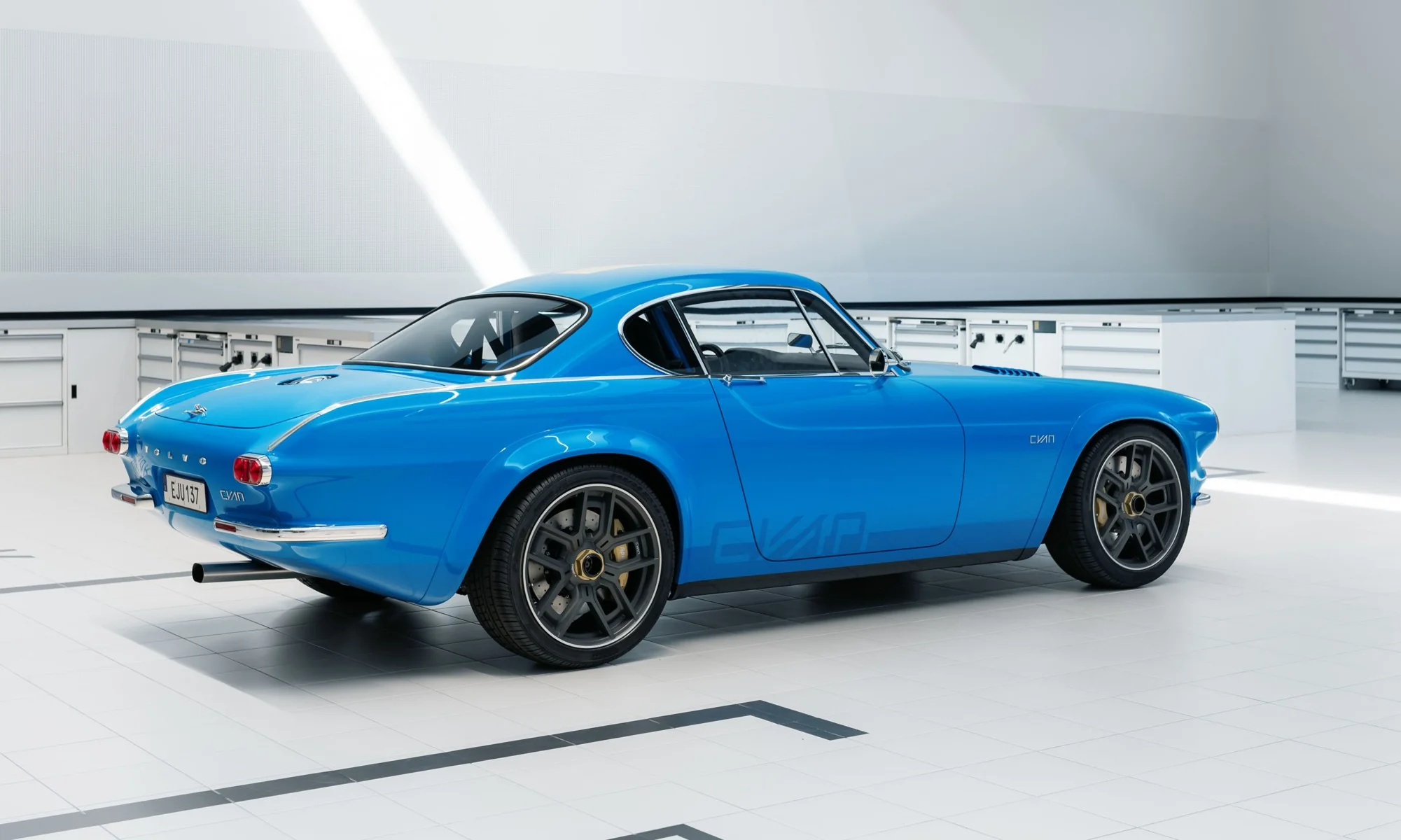
The Volvo P1800 was never supposed to become a weapon. It was a tasteful coupe, a lovely shape, and for many people, remembered as the car from The Saint. Cyan Racing looked at that sleek image and ignored it completely. The Cyan 1800 keeps the P1800’s proportions but replaces almost everything else with hardware that belongs in a Touring Car pitlane.
The car rides on a bespoke high-strength steel platform, wears a carbon-fibre body, and uses double-wishbone suspension front and rear. The track is much wider, the cabin is stripped to the essentials, and a roll cage is integrated from the start. This is not a polished concours restoration with a suspension refresh. It is a touring car in a snazzy Swedish suit.
The engine is a 2,0-litre turbocharged four-cylinder derived from Volvo’s racing program, producing 309 kW and 455 N.m. That is enough to make the old Swede feel like an entirely different animal with just 990 kg to haul around. It has the sort of balance modern performance cars chase with software, except this one starts with an actual lightweight base and adds racing parts in the right places.
Spec sheet
- Base car: Volvo P1800
- Engine: 2,0-litre turbocharged four-cylinder
- Output: 309 kW/455 N.m
Totem Automobili GT
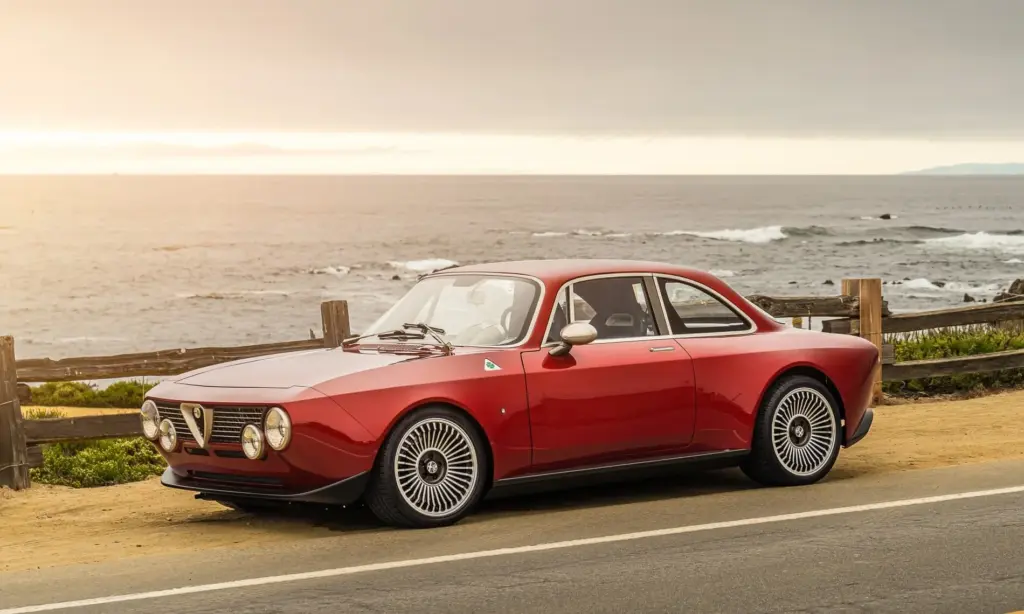
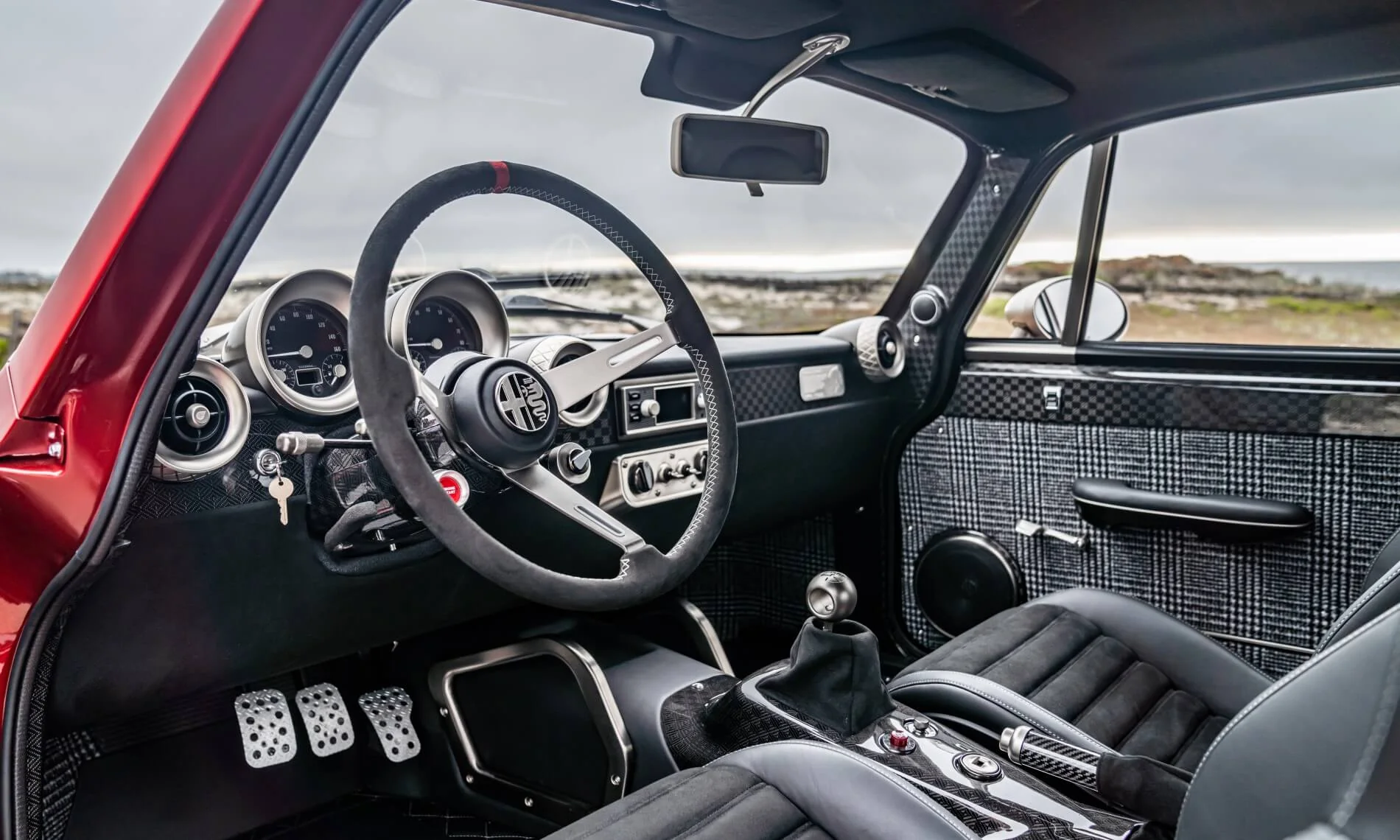
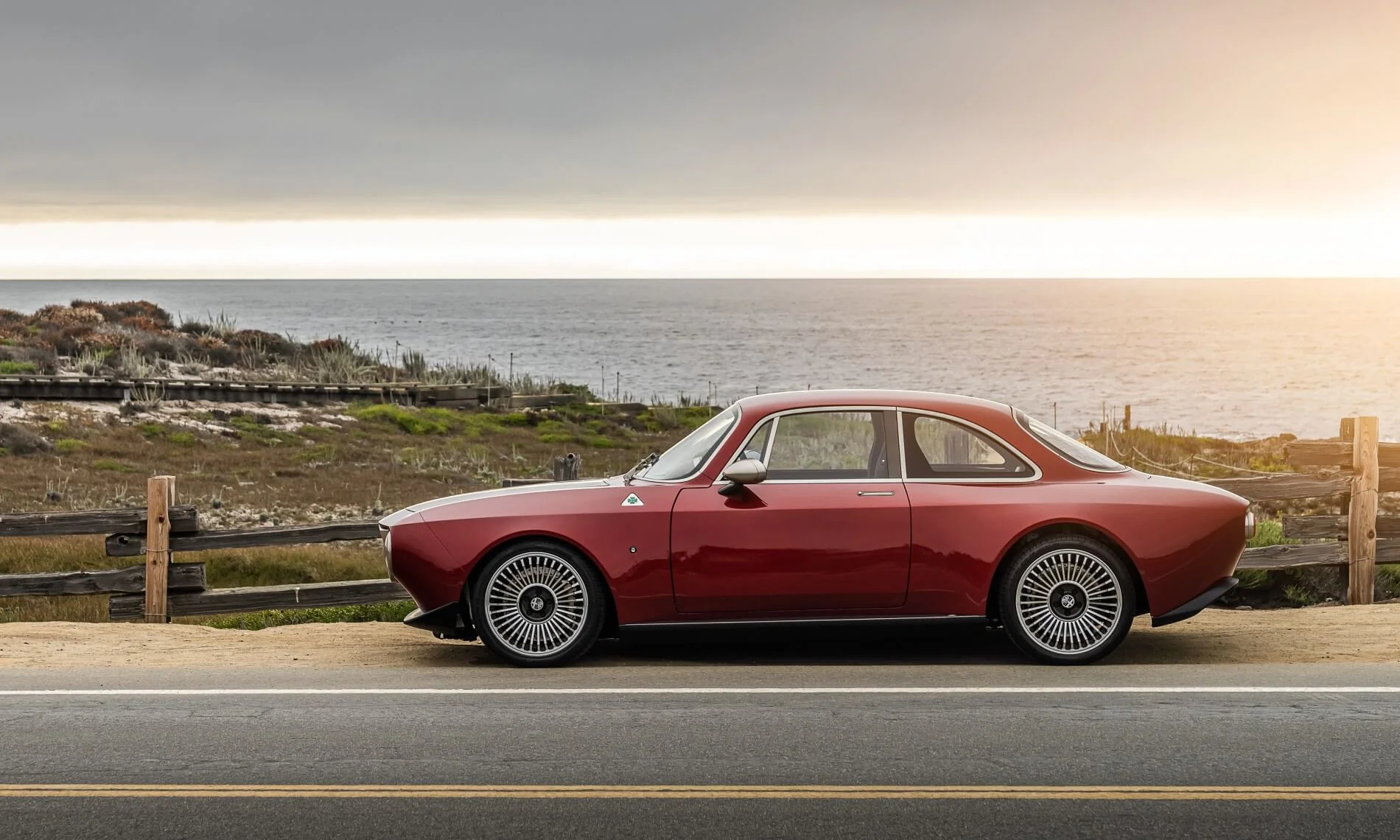
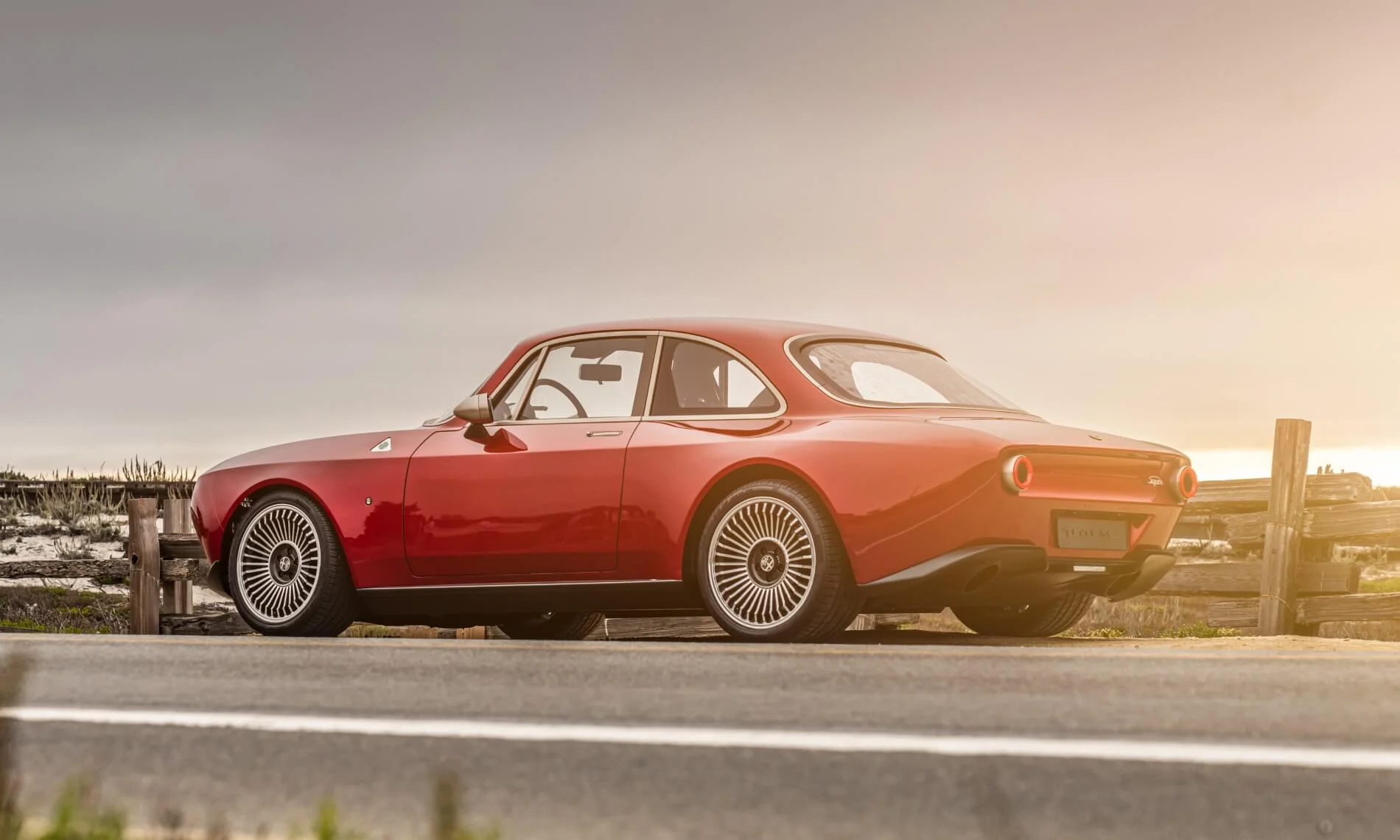
Alfa Romeo’s GT Junior was always the sort of car people describe as soulful when they mean it cornered with manners and looked better than it had any right to. Totem Automobili took that charm and rebuilt the car around a carbon-fibre monocoque. This is an ambitious move for a restomod, and it is the reason the finished GT feels closer to a supercar than a warmed-over classic.
The body is also carbon-fibre, the suspension is bespoke multi-link, and the interior is far more luxurious than anything Alfa offered in period. Totem has paid real attention to insulation and usability. The GT is built to feel expensive, and be useable, not merely exotic and pretty to look at.
Power comes from a 3,2-litre twin-turbocharged V6, a heavily developed unit based on Alfa Romeo’s modern 2,9-litre Giulia Quadrifoglio engine. In this form it makes 450 kW and 700 N.m. Those are serious numbers for a car that still carries the shape of a compact Bertone coupe, and they explain why Totem has become one of the more credible names in the restomod scene.

Spec sheet
- Base car: Alfa Romeo GT Junior
- Engine: 3,2-litre twin-turbo V6
- Output: 450 kW/700 N.m
TWR Supercat
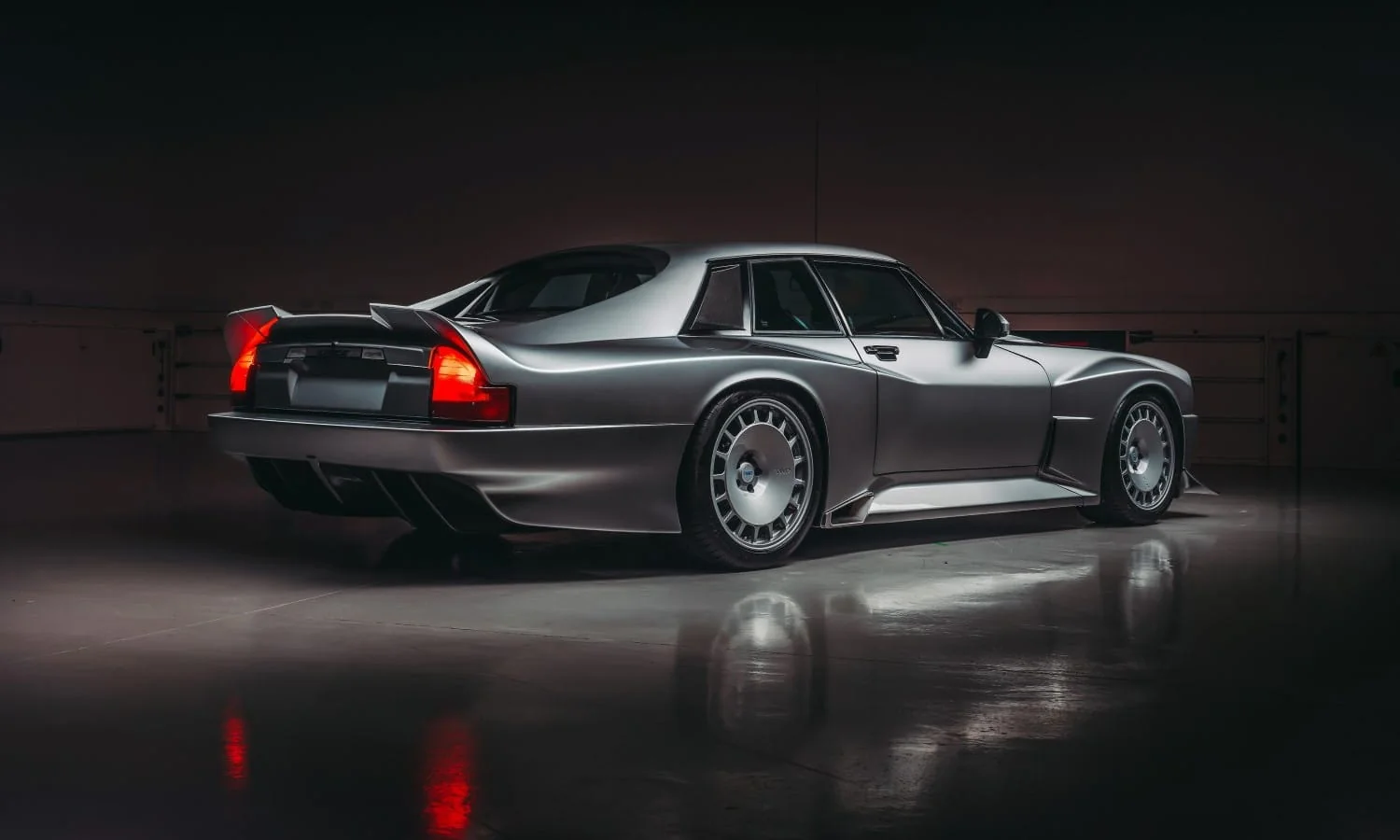
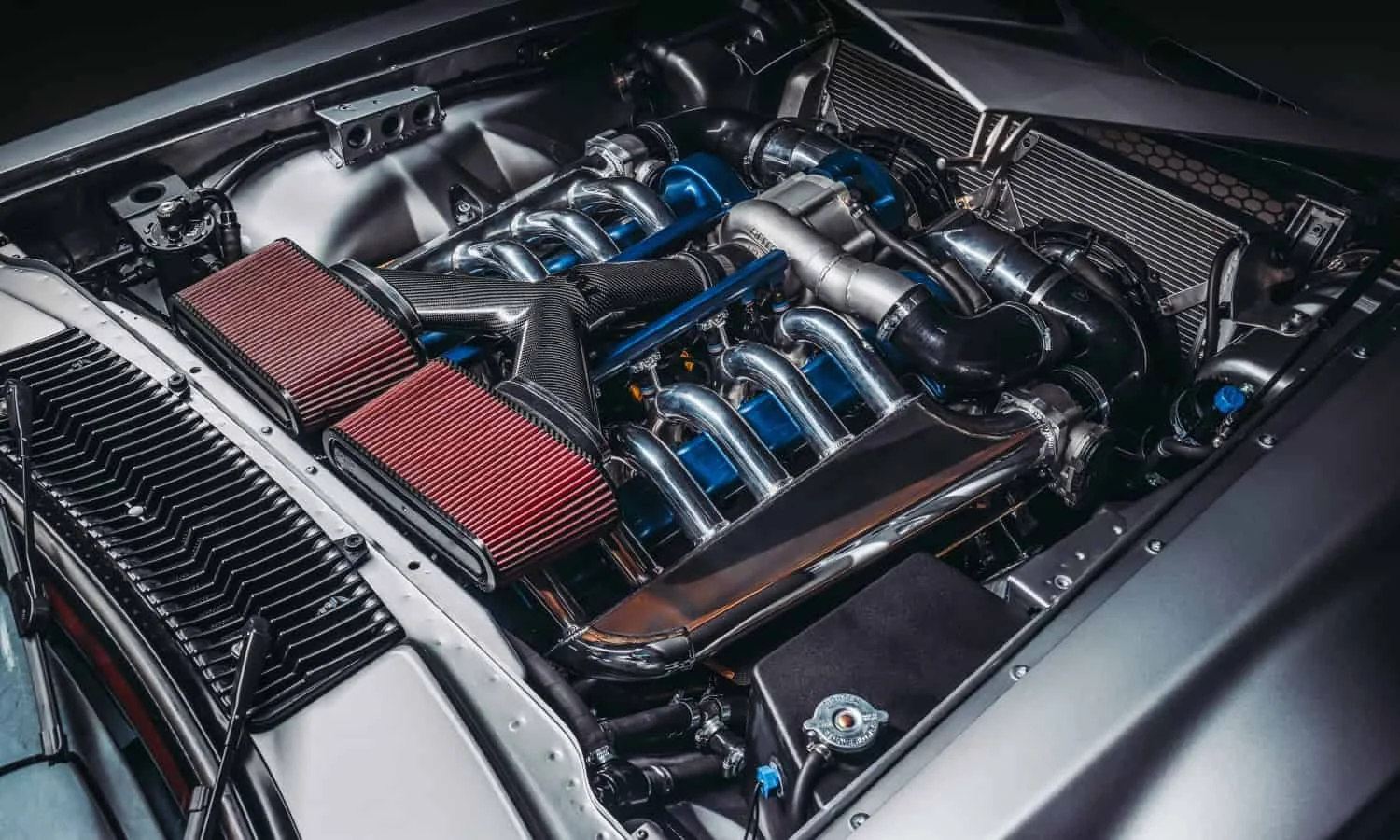
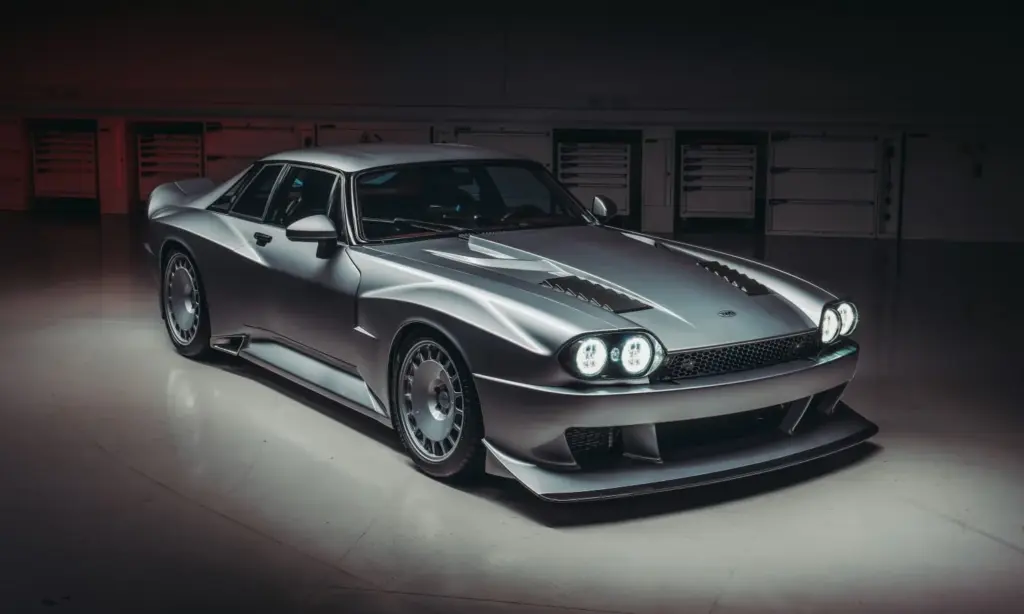
The Jaguar XJ-S has spent too long being treated like the awkward cousin in Coventry’s family album, hiding in the shadows of the E- and F-type. TWR’s Supercat is the sort of upgrade that should have happened years ago. The XJ-S shape stays recognisable, but the body is now carbon-fibre and the stance is massively wider. This gives the car the visual aggression the old Jaguar didn’t quite boast from the factory.
The suspension is reworked, the brakes are bigger, and the cabin is rebuilt with proper attention to ergonomics rather than leather and nostalgia. The Supercat looks like a luxury GT that has spent time in the gym and gained an attitude problem. Its supercharged 5,0-litre V8 develops 530 kW and 850 N.m. This is enough to turn the XJ-S from a long-legged cruiser into something that can genuinely bully modern performance cars. There is a nice irony in that: a Jaguar once sold on grace and pace is now one of the more outrageous ways to cross a country quickly.
Spec sheet
- Base car: Jaguar XJ-S
- Engine: 5,0-litre supercharged V8
- Output: 530 kW/850 N.m
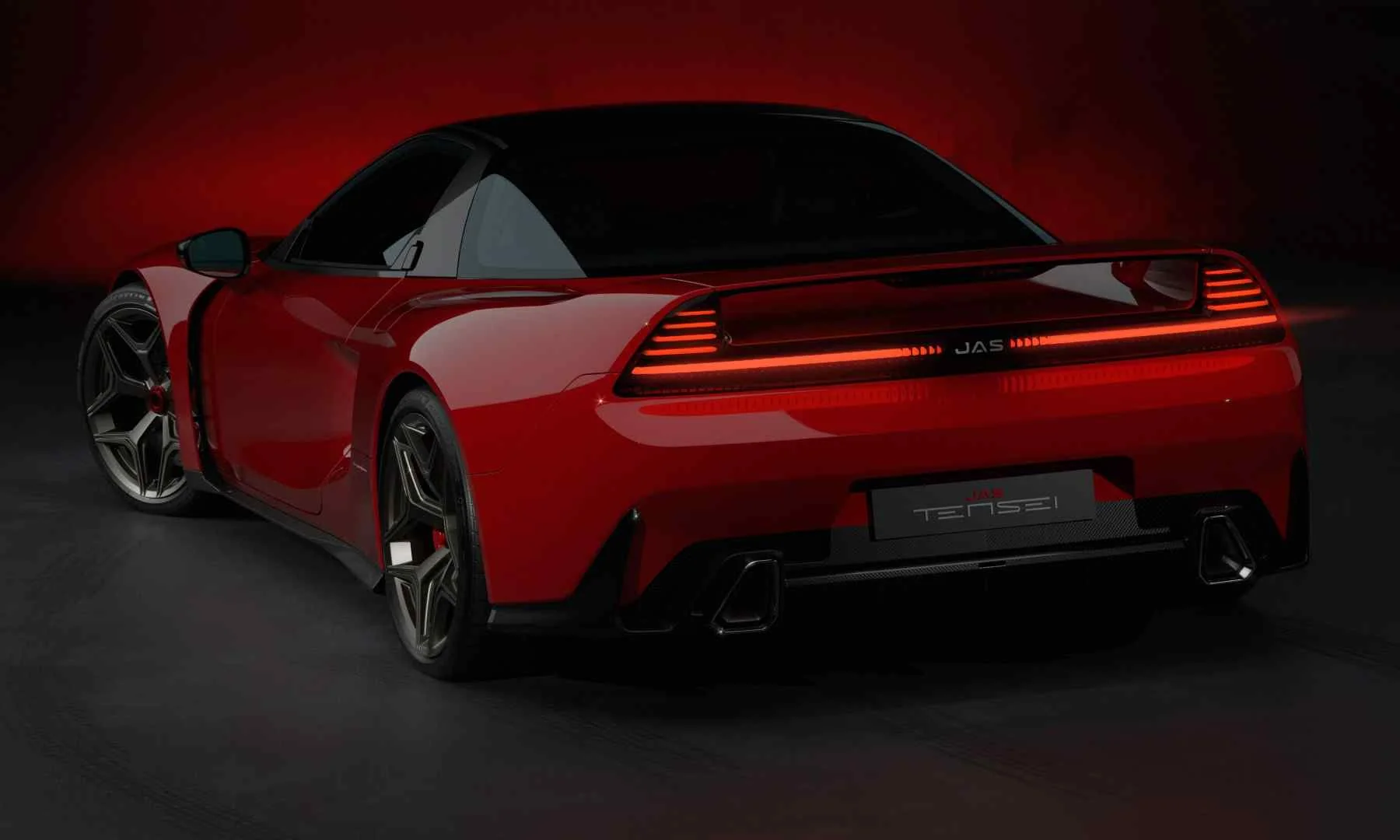
Tensei NSX
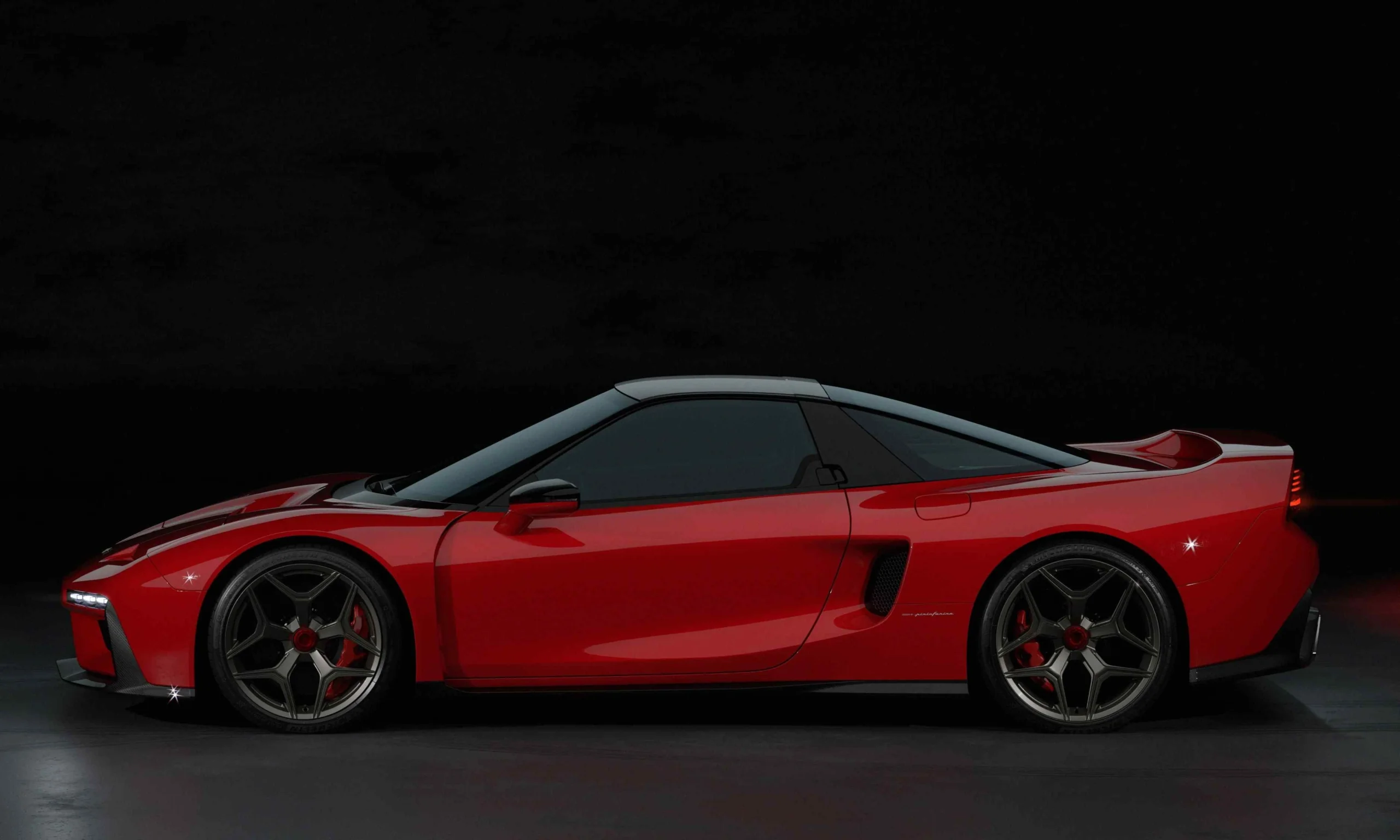
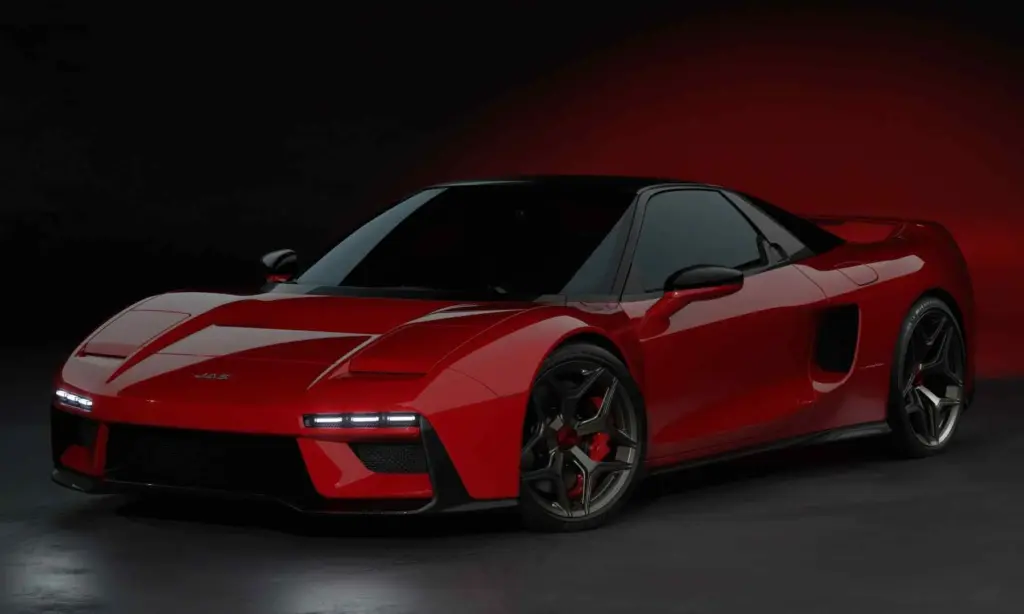
The first-generation Honda NSX already had the sort of balance and precision that made other supercars of the era feel clumsy. Tensei, the Pininfarina and JAS Motorsport reinterpretation, is working from a very strong base. The original mid-engine Honda is still the basis, but the body is now carbon-fibre, the suspension is fully bespoke, the brakes are uprated, and the interior is reshaped around better ergonomics and modern materials.
Tensei keeps the clean, low-slung NSX profile, then sharpens the surfacing without wrecking the car’s original silhouette. That is harder than it sounds. Many modern restomods try to overwhelm the donor car. This one seems more interested in refining it. Click here to read our NSX driving review.
Technical details for the engine and performance package are juicy. JAS hands over an original 3,0-litre V6 to engine specialists Judd. The former F1 engine supplier completely rebuilds the engine. After completion it displaces 3,5-litres, revs in excess of 8 500 and makes about 310 kW. That is not a massive number by today’s standards, but NSX was always the driver’s supercar, and Tensei looks set to keep that brief intact.
Spec sheet
- Base car: Honda NSX
- Engine: 3,5-litre V6
- Output: 310 kW
![2023 International Concours Of Elegance [Gallery]](https://doubleapex.co.za/wp-content/uploads/2023/02/2023-International-Concours-Of-Elegance-300x180.webp)





![Slip Sliding Classics On A Frozen Lake [video]](https://doubleapex.co.za/wp-content/uploads/2022/03/TheICE-33-MQ-300x180.webp)



[…] The TechArt GTclassic is none of the above. The small-scale auto company is looking to capitalise on the growing 911 restomod fad. Of course, the familiar silhouette of the 911 is not the only restomod game in town, as you can see by clicking here. […]