
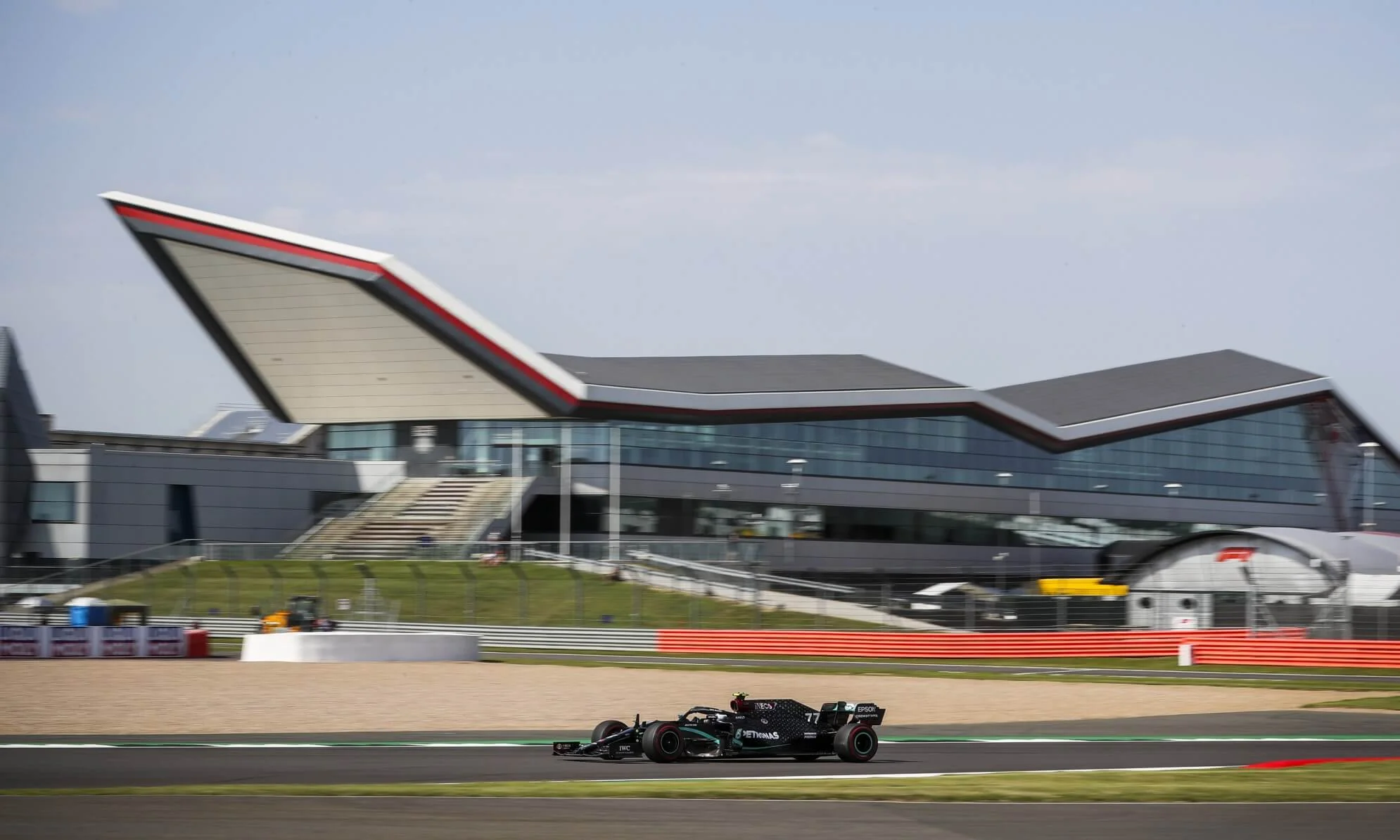
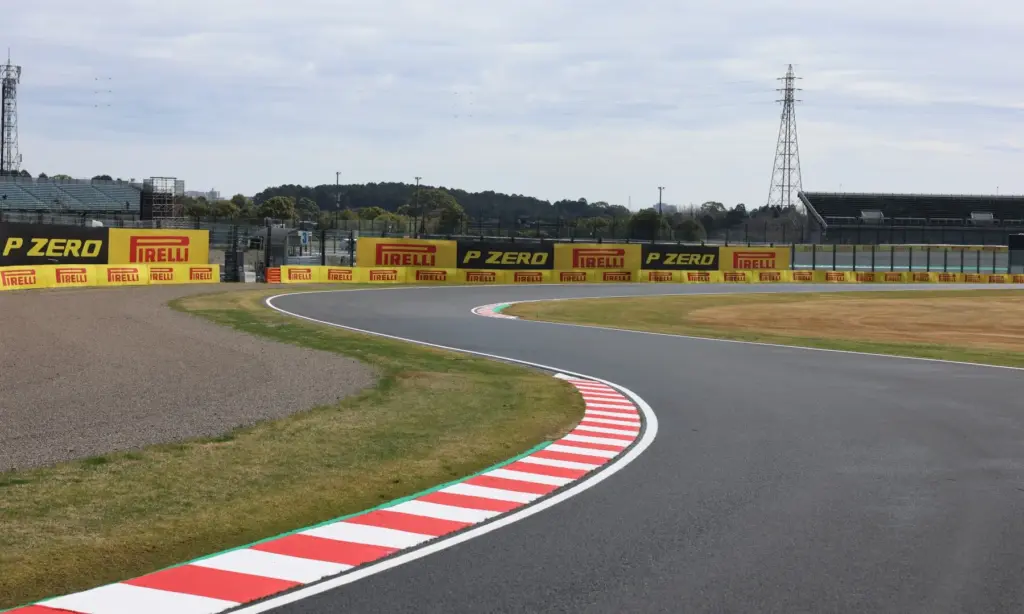


The British and Italian rounds of F1 are the only two races to have been held uninterrupted every year since the championship began in Silverstone, the home of the British GP, is a favourite among drivers. It is a quick circuit that rewards a planted, wieldy car and driver commitment, but the current hybrid formula has turned part of that allure into an energy management exercise. This is the reaility faced by drivers and teams ahead of the 77th British Grand Prix. On a circuit defined by speed, flow, and bravery, the modern Formula 1 power unit can leave drivers staring at a battery gauge that empties faster than the lap can refill it.
The weak spot
The Motor Generator Unit – Kinetic (MGU-K) , that forms part of an F1’s car’s power unit (PU), leans largely on braking to recover energy. That tends to work well at places with real stop-start sections, such as Monaco, where the driver blasts through the gears, then smashes the brake pedal to feed the battery pack. Silverstone offers far fewer of those chances. Once the a car has cleared the opening sequence, the lap becomes a long stretch of sustained load, fast direction changes, and short braking events that do not give the system much time to recover energy.
This is a far cry from last weekend’s race in Austria. The Red Bull Ring gives drivers long straights followed by heavy braking into slower corners, which means more recovery and therefore more deployment. Silverstone is the opposite. The straights are there, but the corners arrive quickly, and the car often does not get the kind of braking event that feeds the hybrid system properly.
The same issue was seen at Suzuka in Japan, which resulted in some close calls for drivers. Since then teams have gotten to grips with the nuances of the new PU and would have loads of data to call upon for simulations ahead of Silverstone.
The lap
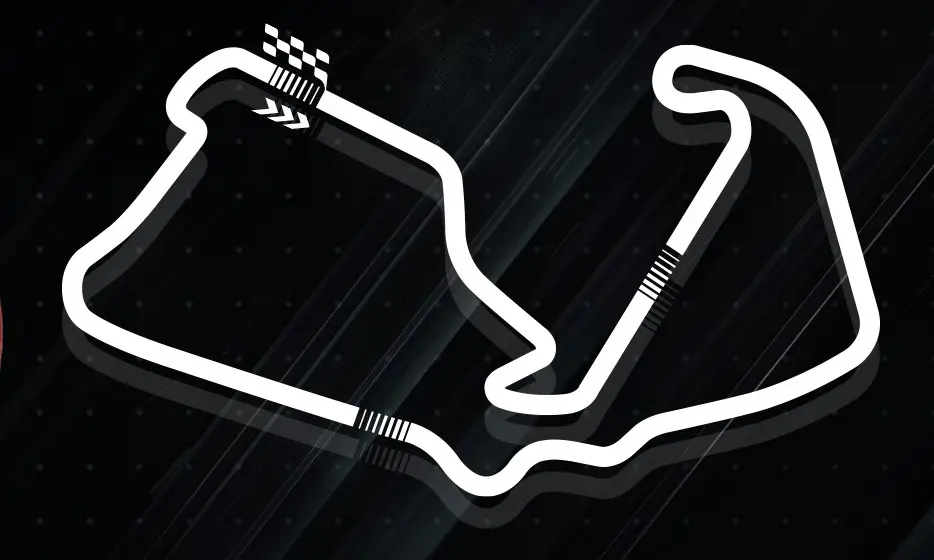
The layout of Silverstone has, according to drivers, one of the best sections in the world experienced in an F1 car. The opening part of the lap gives way to the run from Turn 8 to Turn 15, the stretch from Woodcote to Stowe is spent in a high gear, mostly, at full throttle.
However, this is also where the 2026 power units are being exposed for what they are. It is not one long straight, nor is it a series of hard stops. It is fast corner after fast corner, with too little ‘breathing space’ in between.
Drivers who have already run race simulations said they can spend the lap with the loud pedal pinned, but you but you just run out of power (350 kW of it) when the battery stops supplying the hybrid component of the PU. Engineers and drivers will, no doubt, run many simulations as to the best possible way to approach the race and, probably more importantly, qualifying. At any rate, as this weekend has a Sprint Race as well, we should get a clear indication of the severity of the issue on Saturday afternoon.
A challenge
Silverstone has always been a proper test because of its speed, especially through Maggots, Becketts, and Chapel. That sequence once demanded a car with balance, aero efficiency, and courage in equal measure. Drivers still have to commit, but the modern hybrid cars may prove less of a challenge to thread through this sequence. Alex Albon said the place now feels more like a medium-speed circuit than the high-speed blast of years past.
The power unit era has made some corners less dramatic than they used to be (remember 130R at Suzuka?), and that changes the viewing and driver experience. A lap that once felt like a test of nerve now carries an extra layer of driver/battery management. The driver still needs the right line and the right throttle trace, but the reward is ultimately decided by how much charge remains and how much can be spent before the next lifting phase.
Overtaking will also become a cat and mouse game. If the leader manages deployment cleanly, the chasing car can run out of usable energy before the crucial run to an overtaking point. Defending becomes easier in some places, not because the car is suddenly better on mechanical grip, but because the hybrid system is being rationed.
Fans let down
This is not a new complaint. It was obvious from the start of the 2026 season that the power units would behave differently depending on the track. Suzuka was an early indicator. Rule tweaks and a string of circuits with heavy braking phases have masked the issue for a while. Silverstone shines a light on the problem again.
It was always going to happen here, just as it will happen at Monza. The difference is that Silverstone still carries the reputation of a proper old-school speed circuit, so the gap between expectation and reality is sharper. Silverstone is still special, just less special when the cars no longer arrive at those fast corners with the same jaw-dropping speed.
The only saving grace for the event would be a rain-soaked GP. It is, after all, England…

![2018 F1 Radio Comms Turned Into Cartoons [video]](https://doubleapex.co.za/wp-content/uploads/F1-Radio-Comms-Turned-Into-Cartoons-300x180.webp)







Have your say
Got thoughts on this?
No feedback yet on Silverstone’s Sting is Stripped By F1’s Hybrid Power Units. Kick the conversation off.
Free. Email link only — no password.