
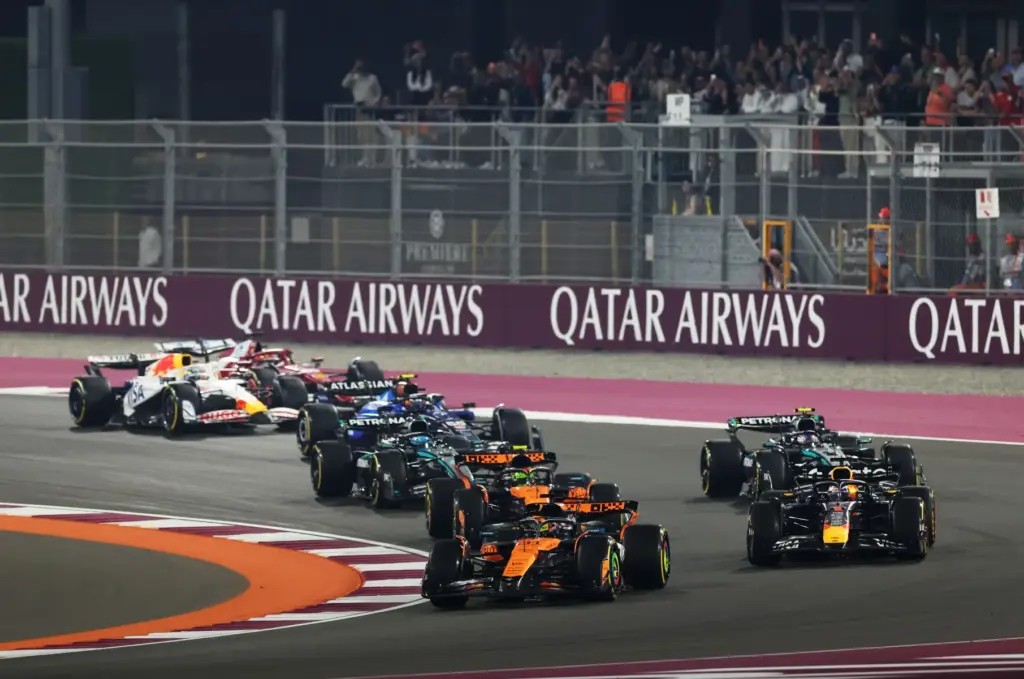
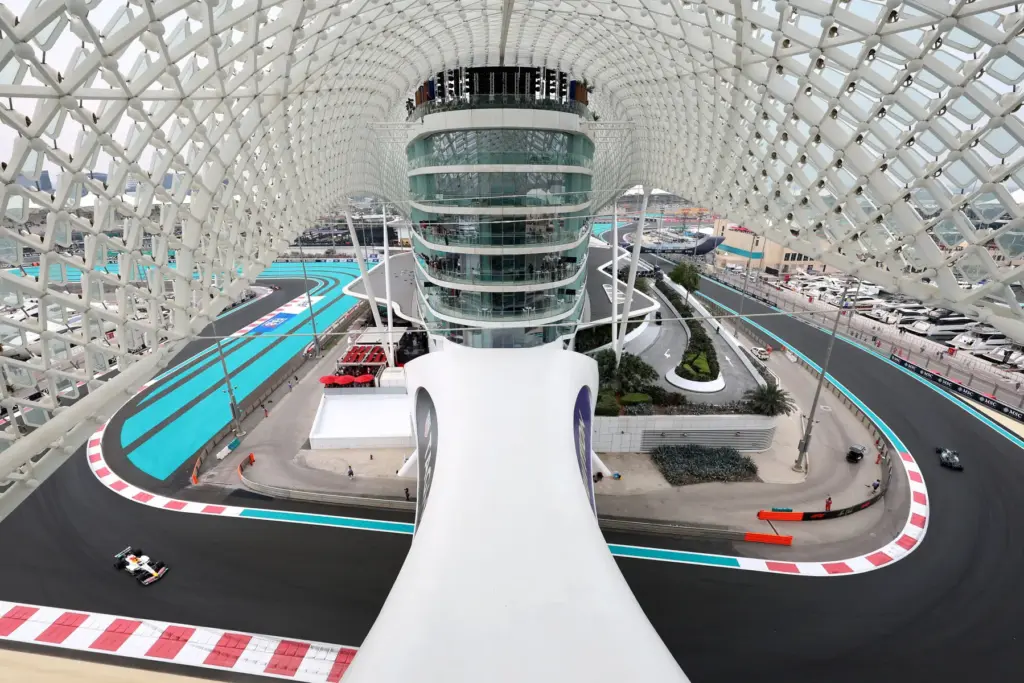


Formula 1 has a calendar built on everything going right everywhere at once. But that isn’t always guaranteed. In 2026 that arrangement has already come under pressure. Two rounds scheduled for the early Middle East visit were affected by hostilities between the US and Iran. The sport can absorb a late cancellation in Europe. It struggles when losses stack up in the closing stretch of the year, when northern tracks are cold, dark and often unusable. One cancelled Grand Prix is a problem. But a broken late-season run changes the shape of the season dramatically.
The Middle East fault line
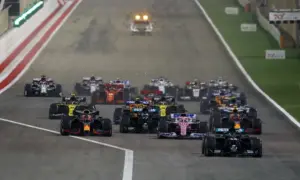
The 2026 calendar was supposed to feature the season-closing fixtures. The Gulf region has taken this position as the warm-weather in the region is a nice antidote to plummeting temps in Europe. Saudi Arabia has already been dropped from the schedule, while Bahrain has been pulled out of the region. The ‘Bahrain GP’ now set to take place in Malaysia. (Should it be called the Bahlaysian GP? – Ed).
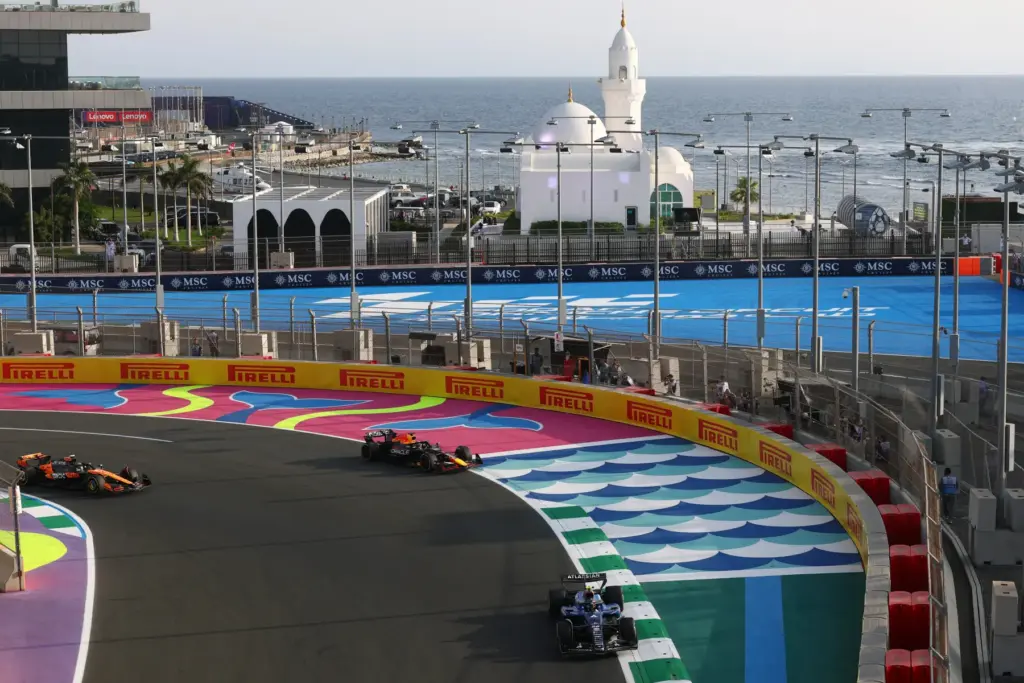
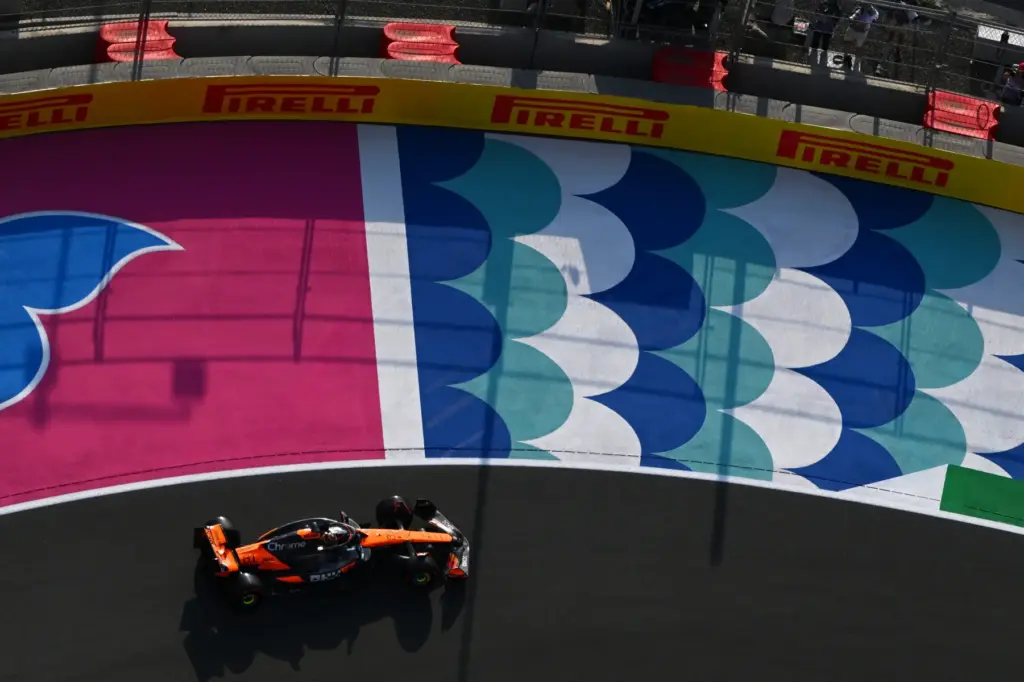
Saudi Arabia’s removal removes one of the calendar’s most lucrative stops. Something shareholders will be well aware of. Bahrain’s move is more pragmatic because it shows F1 choosing a known, proven circuit over the risk of forcing a race into an unstable political environment. Sepang is a proper Formula 1 venue with the infrastructure to host a Grand Prix, and it has history, having been on the calendar from 1999 to 2017. It makes a welcome return to the schedule as the track is lauded by drivers and provides good racing action.
The rationale was sound. Airspace uncertainty, shipping disruption through the Red Sea and Strait of Hormuz, tighter government travel warnings, and the cost of insurance all added to the decision-making matrix. F1 moves freight, broadcast gear, hospitality units, staff, medical support, and a small city’s worth of kit. This requires precision from freight and logistics partners. The inability to do so throws F1 into disarray.
Two late races still hang in the air
The bigger worry is what happens at the end of the year. Two Middle East races are still provisionally listed for late 2026, but neither feels secure. Tensions in the Middle East continue unabated with neither quarter giving way. In theory, the season ends with Abu Dhabi and Qatar, although the calendar may yet be reshuffled again in the next few weeks. Formula One was reportedly going to make a decision by the end of the summer break, which has now come and gone.
If those two final events fall away, F1 will be forced into a corner. Late November and early December are awkward dates. Much of northern and central Europe is, generally speaking, too cold. That leaves the sport looking south. The obvious fallbacks are circuits that have already hosted races in recent times.
European fallback
As much as we would like to see a race return to Africa, or another South American round, say in Argentina, that is highly unlikley to take place. There was, for a brief moment, talks of second round in Las Vegas or a return to Silverstone. However, the most likely options are facilities that have recently host F1 races and are far south in Europe.
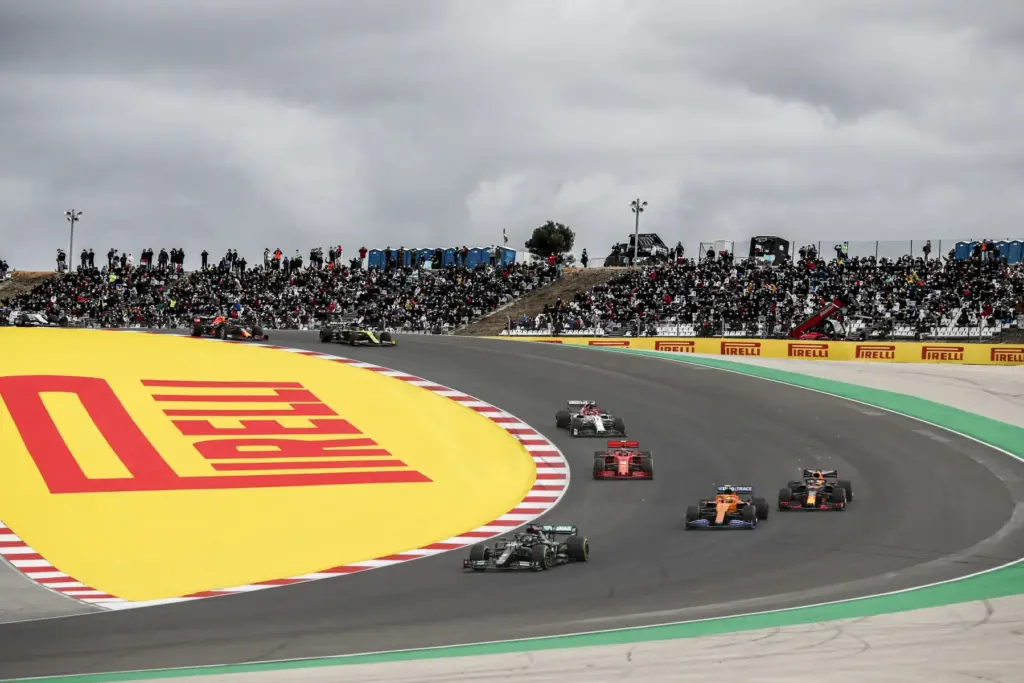
Circuit de Barcelona-Catalunya is one such option. The Spanish track lies within a mild climate and the F1 paddock knows it well from testing and a visit there earlier this season. Portimao is another practical option. It has already shown it can host Formula 1 on short notice, as it did so during the Covid-19 pandemic in 2020/1, and its climate is kinder than most of Europe’s when winter closes in.
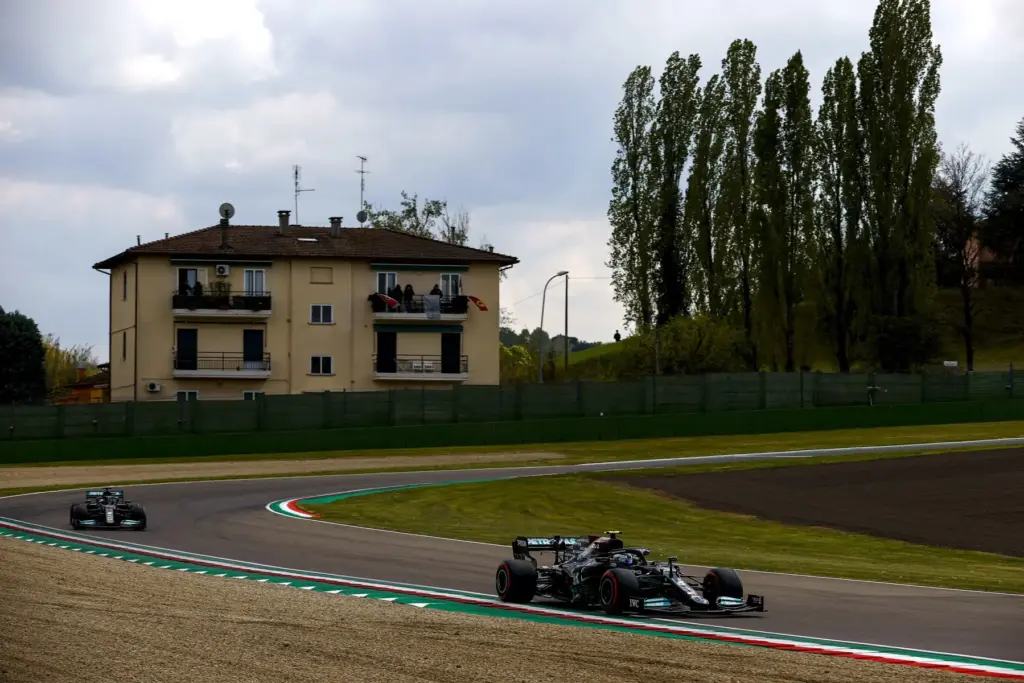
Imola is another option. It is further north but still more workable than many European circuits in December. An ever strengthening El Nino weather pattern could delay winter in parts of Europe, Italy included. F1 competed there as recently as 2025, so it has the proven infrastructure to do so. These places keep surfacing because they are close to the European team bases, they already meet the requisite technical standard, and they avoid the extra layers of risk that plague the Middle East block.
F1 expansion to look elsewhere
Formula One, under US owners Liberty Media, has spent years chasing money and reach in new regions. The Middle East made sense with high hosting fees and the calendar looked stable. Once geopolitical risk starts rearing its ugly head, the picture changes. A race that looks attractive on paper can become a liability the moment insurers, governments, or freight operators lose confidence. The broader issue is structural. F1 has built a global show that relies on consistency, yet some of its newest destinations sit in the least predictable parts of the map. The current disruption exposes that.
The calendar needs more stability
F1 needs stability, not more glitzy expansion. A stronger calendar would spread risk more evenly, mix established venues with newer markets, and avoid leaning so hard on one politically sensitive region. Saudi Arabia gone, Bahrain sent to Malaysia, and two more late-season races still under threat. F1 can still save the 2026 calendar, but if it does, it will have to do so by choosing stability over the easy money it has spent years collecting in the Middle East. One thing is certain, the decision as to where the season ends, will have to be made pretty soon.





Have your say
Got thoughts on this?
No feedback yet on Middle East Tensions Reshape Formula 1’s 2026 Race Calendar. Kick the conversation off.
Free. Email link only — no password.