

Regular Formula One contributor, Graham Duxbury, tries to answer one of the ongoing debates in F1: Is it the Car or the Driver?
Fears realised
The remarks reflect a concern shared by many fans – that F1 drivers are increasingly becoming managers of complex energy systems rather than pure racers. Now, after several races into the new regulatory era – and despite some tweaks to the rules – many fans believe their initial fears are fully justified. This has sparked demands to further revise the rules for 2027.
Nevertheless, the dramatic increase in electrical power in 2026 – with hybrid systems contributing almost half of a car’s total performance – is forcing drivers and teams to constantly think about and reevaluate strategies relating to energy harvesting and battery deployment. Managing these systems effectively has become as important as tyre preservation and racecraft.
Energy managers
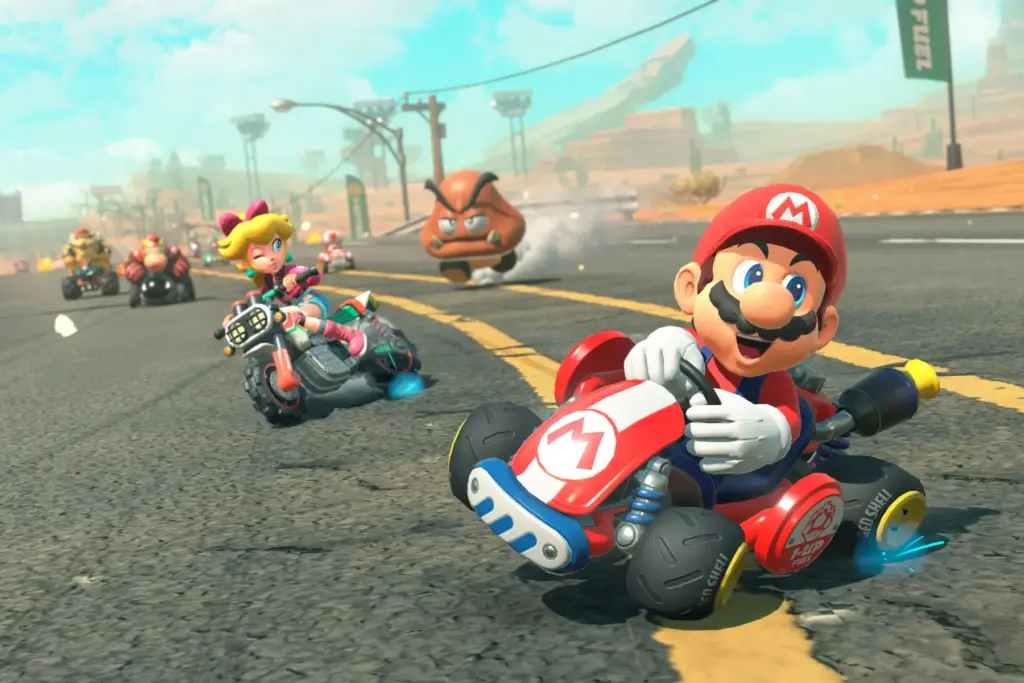
Team radio transmissions often reveal the extent to which drivers are balancing energy targets with outright performance. Discussions about deployment windows, regeneration rates and battery state-of-charge have become as common as conversations about tyres and aero balance. Critics argue this risks turning F1 into an engineering exercise, where drivers spend more time managing systems than exploiting their natural talent. Verstappen’s Mario Kart comparison was aimed precisely at this unique-to-F1 situation.
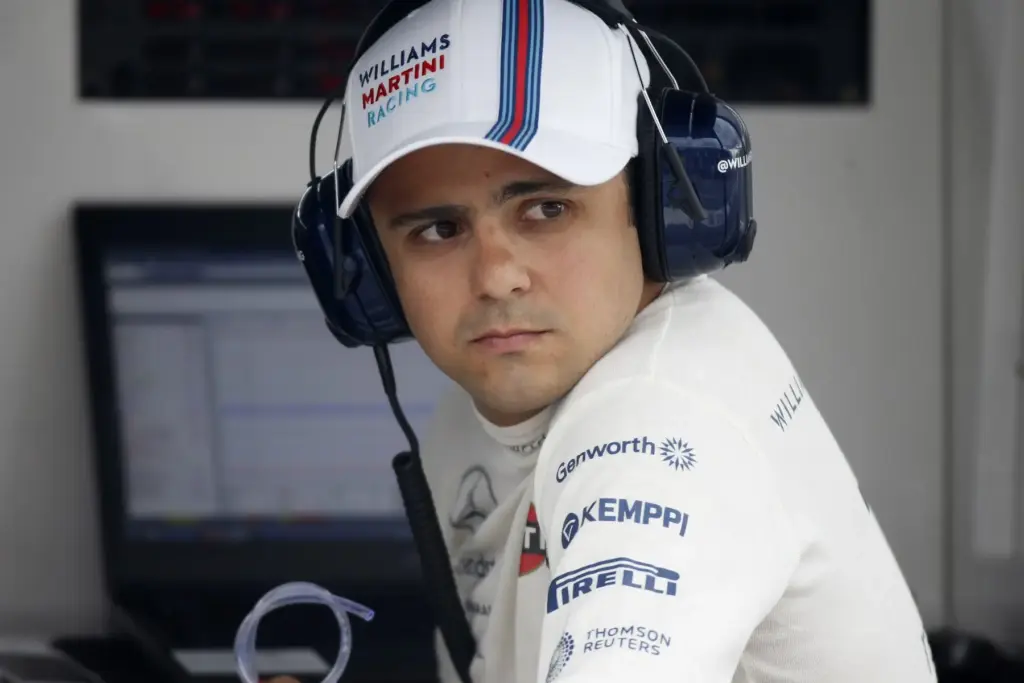
Former Ferrari driver Felipe Massa agrees with Verstappen, commenting that “today’s drivers are increasingly required to act as engineers, constantly managing energy systems rather than focusing purely on driving” He says it risks shifting F1 away from “raw racing performance” towards technical management, taking away the essence of wheel-to-wheel competition.
Moving forward
The BIG question
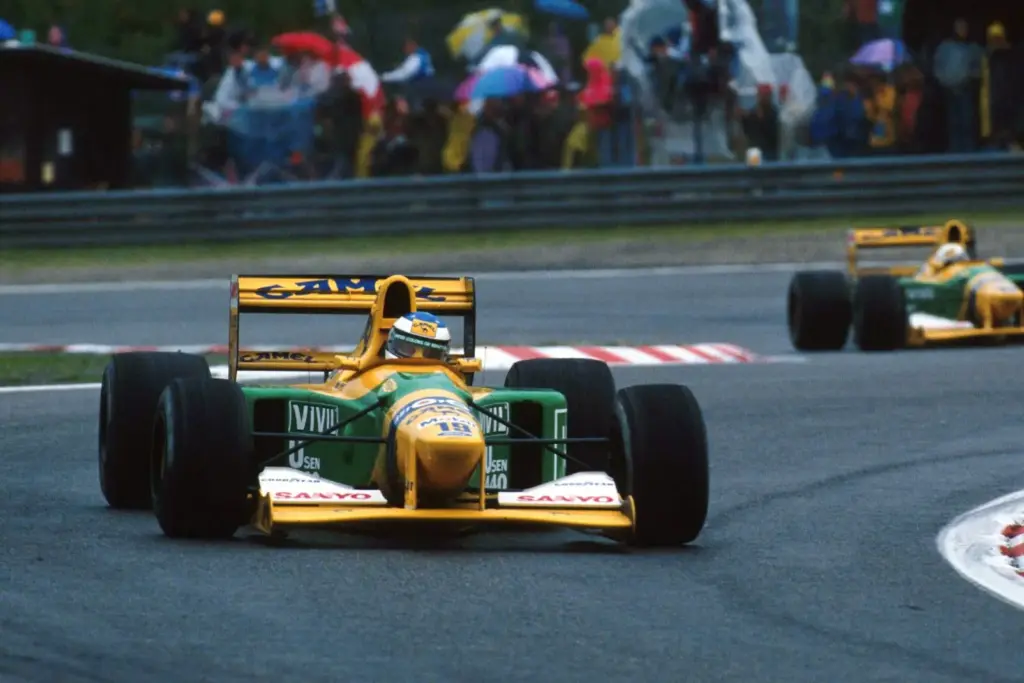
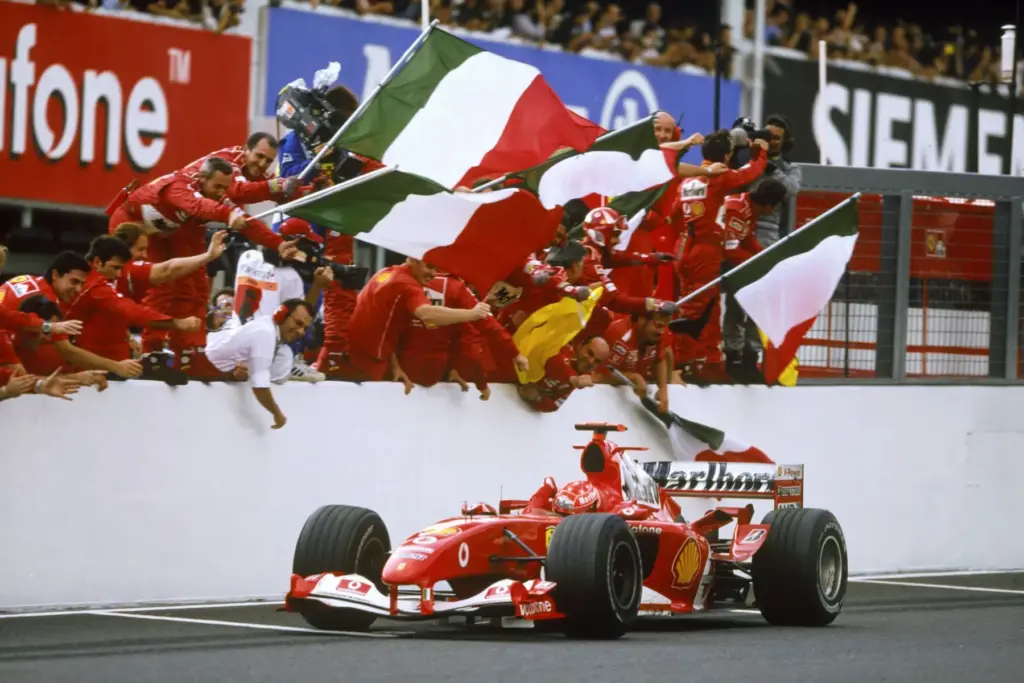
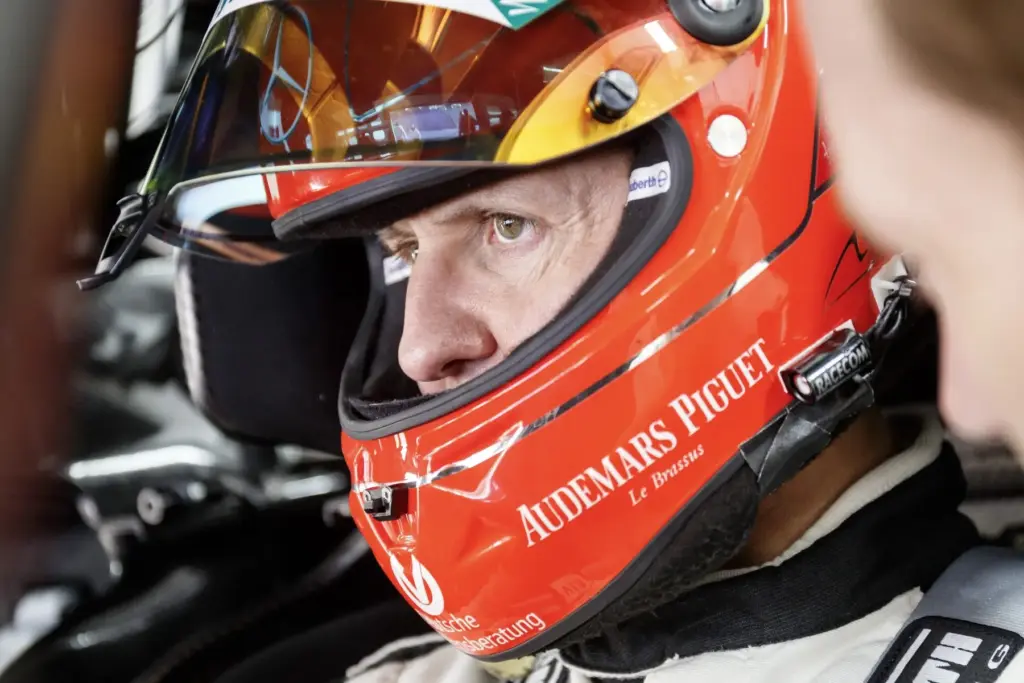
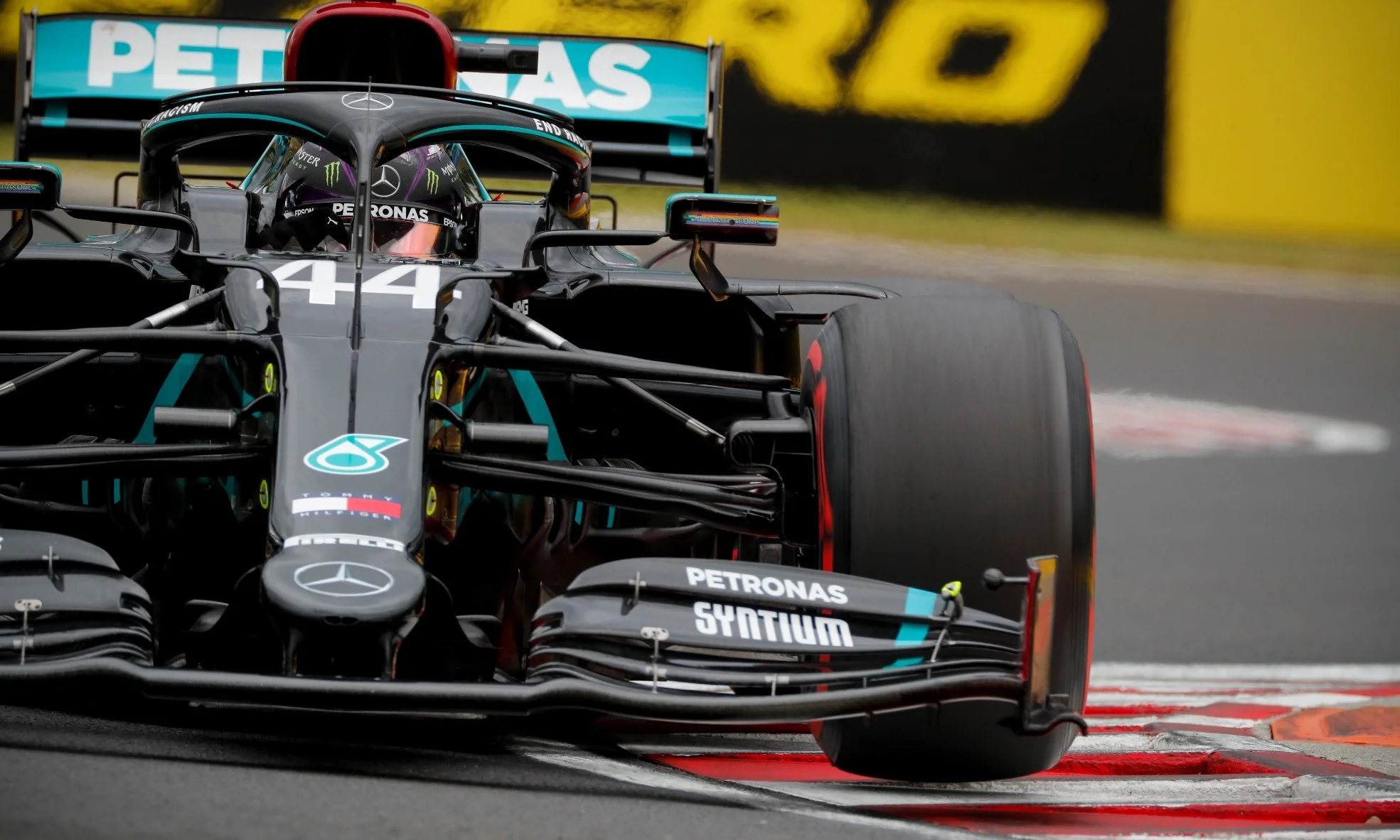
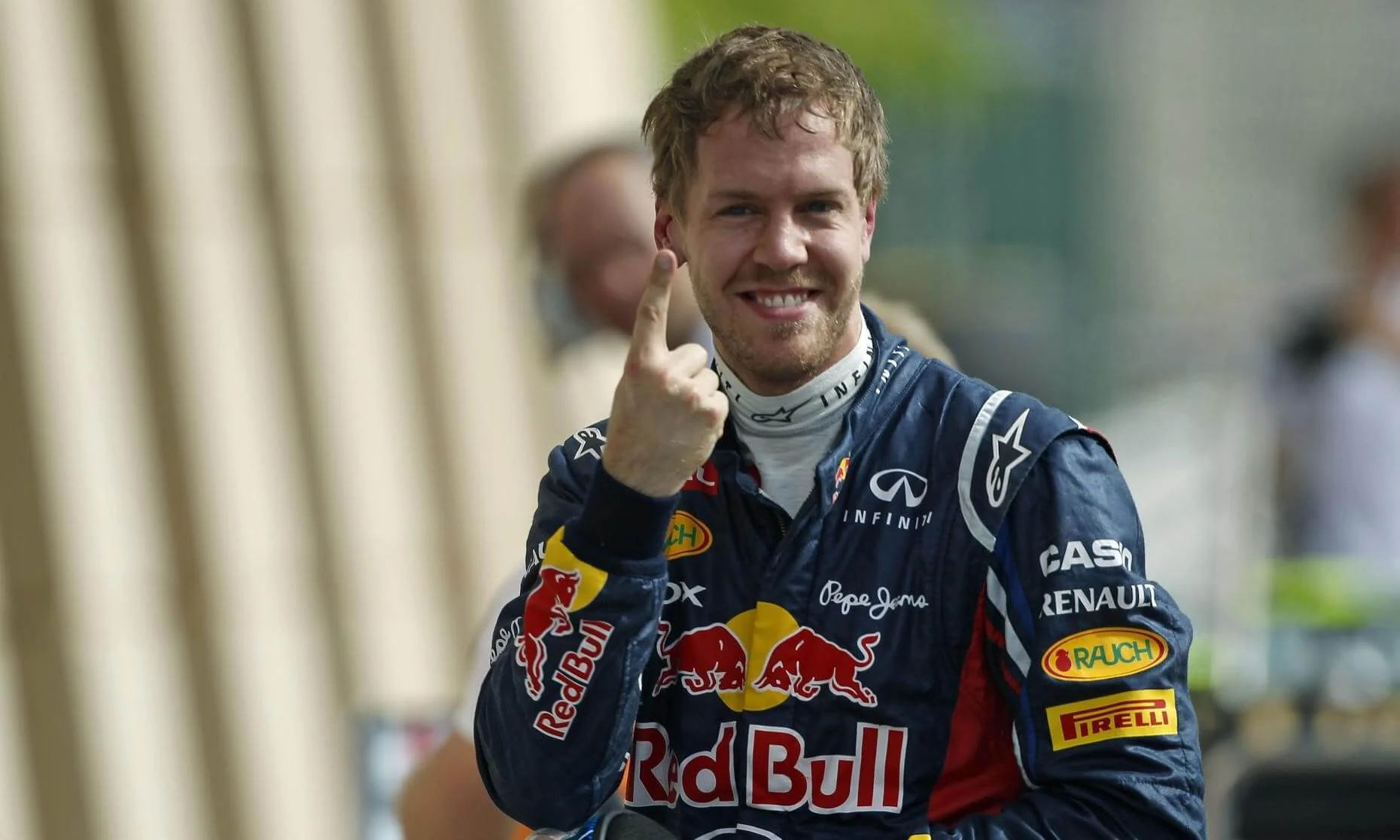
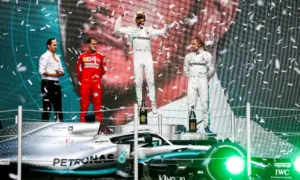
This begs the question: Is the car – and the technology surrounding it – the single biggest factor in determining success? Do the dominant eras of Michael Schumacher at Ferrari, Sebastian Vettel at Red Bull, Lewis Hamilton at Mercedes and Verstappen himself demonstrate that exceptional drivers still require exceptional cars?

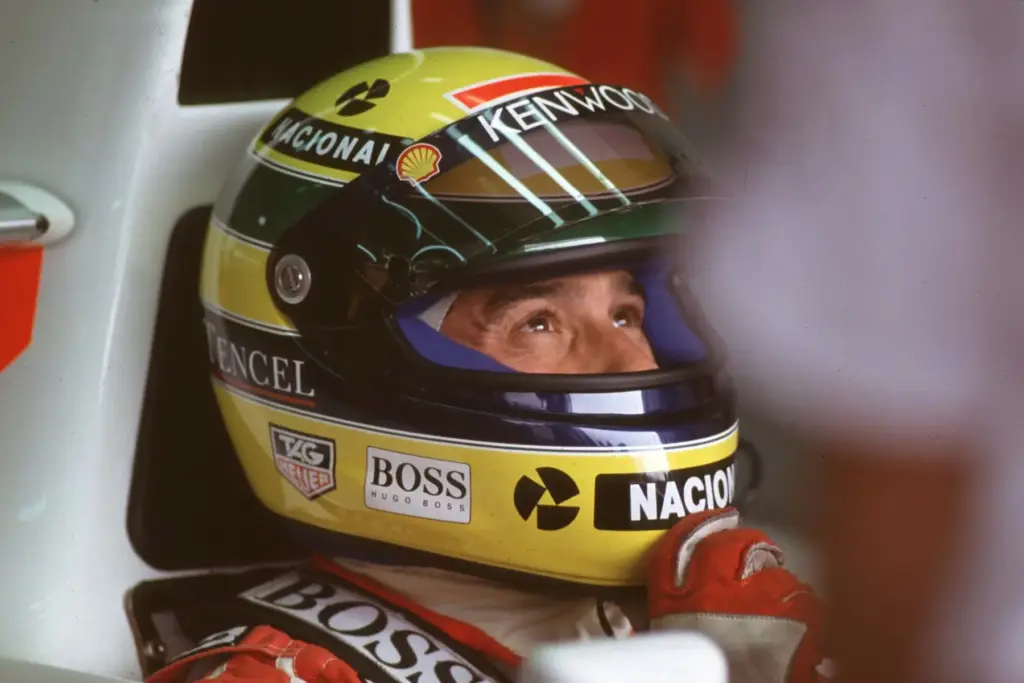
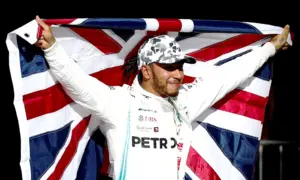
That said, the sport’s history is equally rich in examples of individuals extracting performances beyond what appears possible. Back in the day, Ayrton Senna’s extraordinary qualifying laps and Hamilton’s repeated ability to outperform teammates in identical machinery further demonstrate that talent still creates meaningful differences.
And now, in the heart of the 2026 season, the performance gaps between teammates suggest that mastering the new regulations is far from straightforward. Drivers are discovering that success requires a unique blend of traditional racecraft and modern technical understanding.
Today, F1 arguably demands a broader skill set from drivers than ever before. They must simultaneously manage tyres, energy harvesting, active aerodynamics, steering-wheel settings, software modes and strategic targets while operating cars at speeds often exceeding 350 km/h. Drivers have not become less important; their responsibilities have simply expanded. They must understand how to multitask while optimising increasingly sophisticated energy systems.
The debate continues
Perhaps this is the real story of F1 in 2026. The 2026 regulations have therefore not settled the old argument between car and driver. If anything, they have intensified it. Today, consistency is often more beneficial to fast lap times than being aggressive behind the wheel because mistakes can now unpredictably consume and waste stored battery energy.
Supporting this theory, Charles Leclerc has noted that ‘overdriving’ often reduces straight-line speed while conservative energy use often yields a better overall performance. F1 remains a sport defined by the interaction between human talent and technological excellence. The machinery may have become more sophisticated, but the challenge of mastering it has become more demanding too.



Have your say
Got thoughts on this?
No feedback yet on Tech vs Talent in F1: Is it the Car or…. Kick the conversation off.
Free. Email link only — no password.