
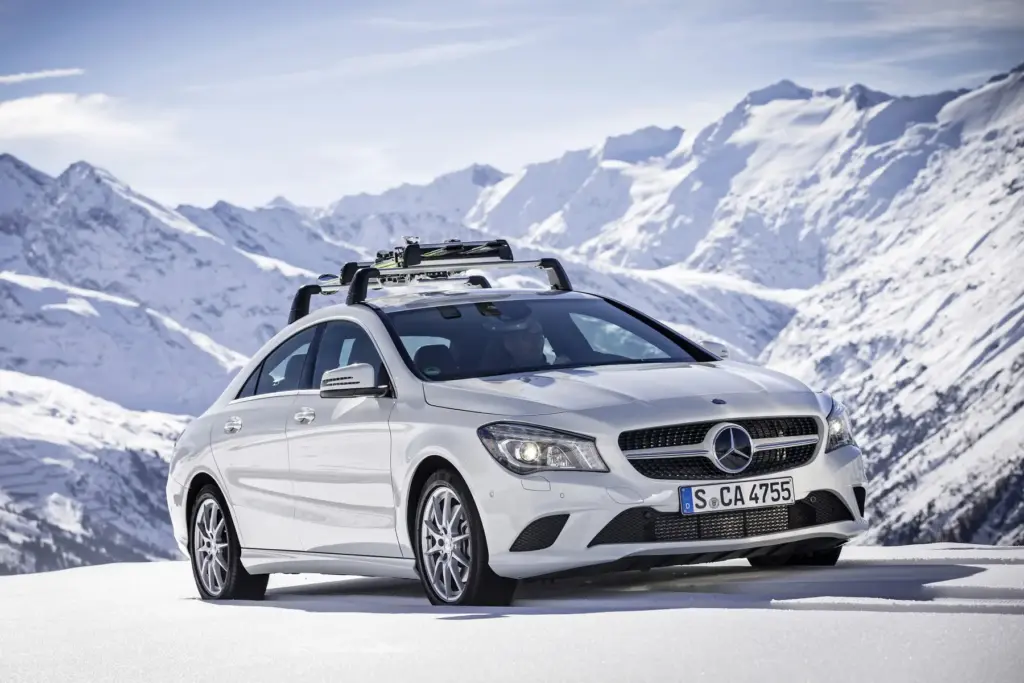
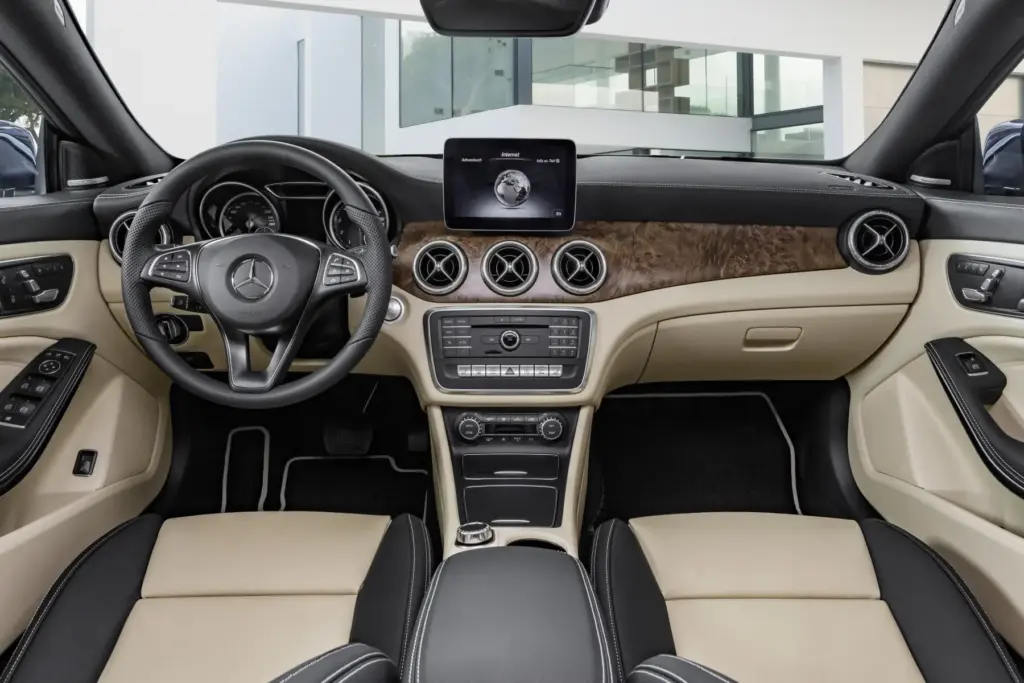
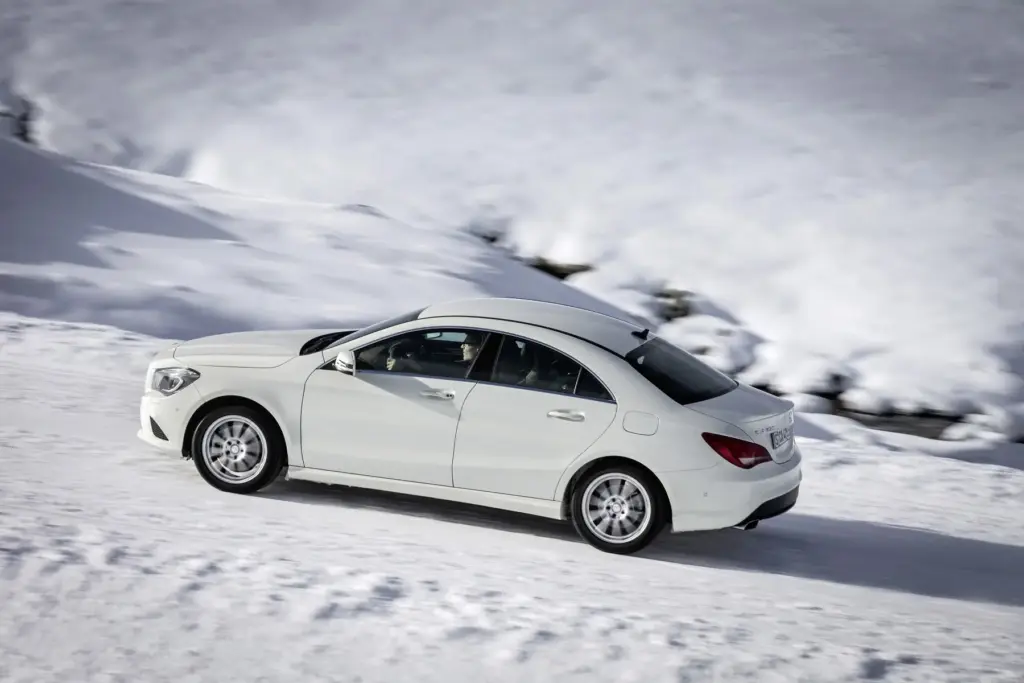
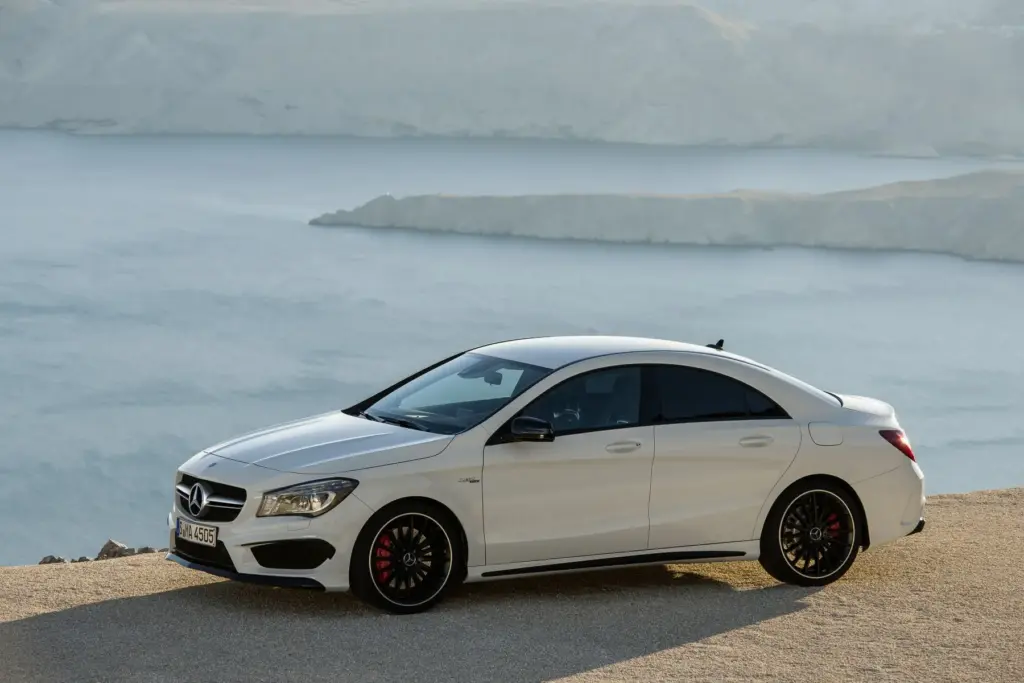


The CLA arrived with a simple idea for Mercedes-Benz: give people the badge, the shape, and the brand cachet, but shrink the package to fit buyers who would not consider a C-Class. That was a neat trick to attract new clients to the brand. The company built a different kind of entry point, one that looked far more expensive than it had any right to and felt tailored to buyers who wanted the engineering but not the image of an “old man’s car”.
That decision turned out to be smarter than purists would like to admit. The CLA gave Mercedes-Benz a way into a younger, more style-driven market without cheapening the brand. Across three generations, it became the obvious answer to a simple question: how do you sell a compact luxury sedan to someone who would rather drive something more dramatic than sensible?
Why Mercedes-Benz needed the CLA
By the early 2010s, Mercedes-Benz had a gap below the C-Class that other premium brands were already trying to fill. Mercedes needed an accessible sedan that could pull in first-time premium buyers without forcing them straight into larger, more formal four-door saloons.
The CLA was the answer. It sat on a platform it shared with the A-Class, B-Class, and GLA, which kept development efficient and gave Mercedes a family of compact models with common hardware underneath. The selling point was not the platform; it was the appearance. The CLA borrowed the visual drama of the swoopy CLS and compressed it into a smaller footprint, then wrapped it in frameless doors and a roofline that looked more like coupe than a sedan.
The smaller ‘family’ It also mattered because Mercedes could now speak to buyers roughly a decade younger than the average C-Class customer, people who wanted the badge and the styling cue, but not the conservative shape that had defined the brand for years. The CLA was never meant to be the most rational Mercedes sedan. It was meant to be the one that made the brand feel attainable without feeling ordinary.
First generation CLA
The C117
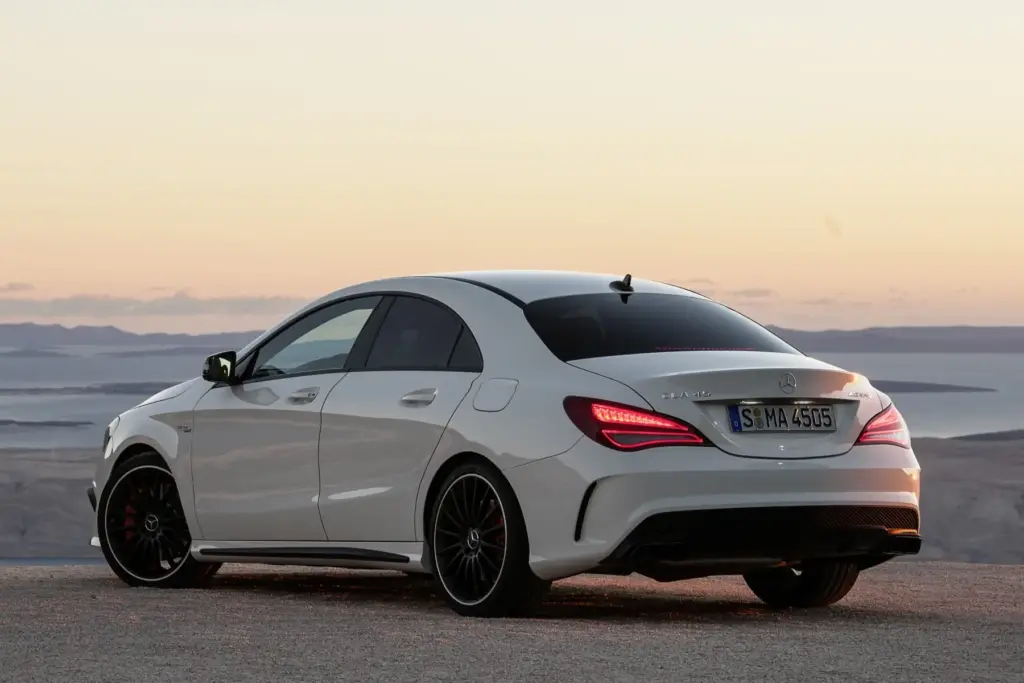
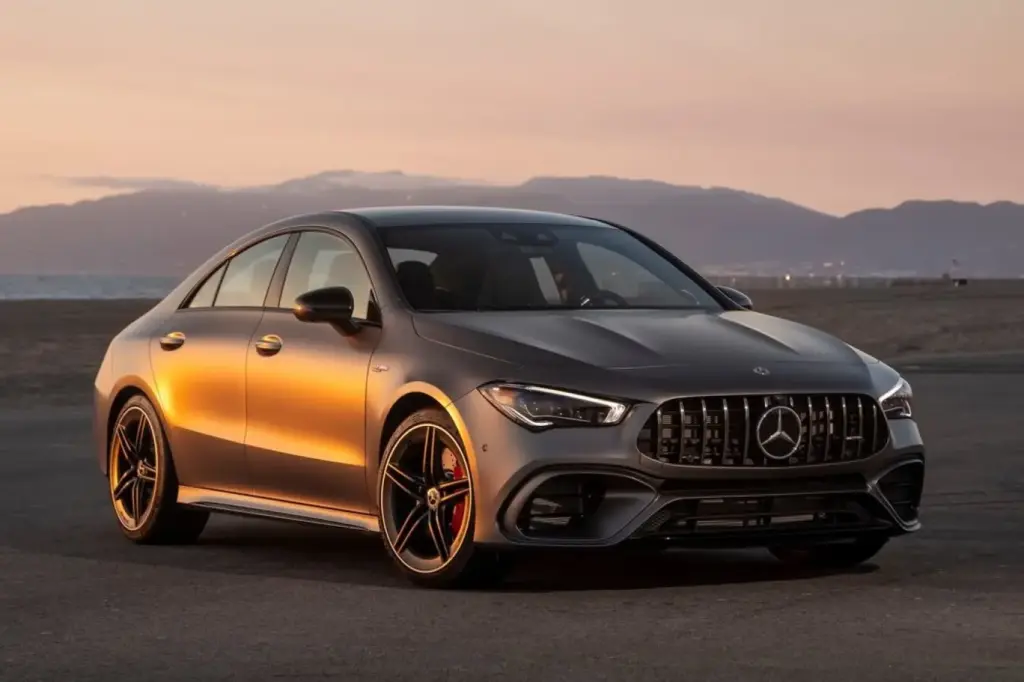
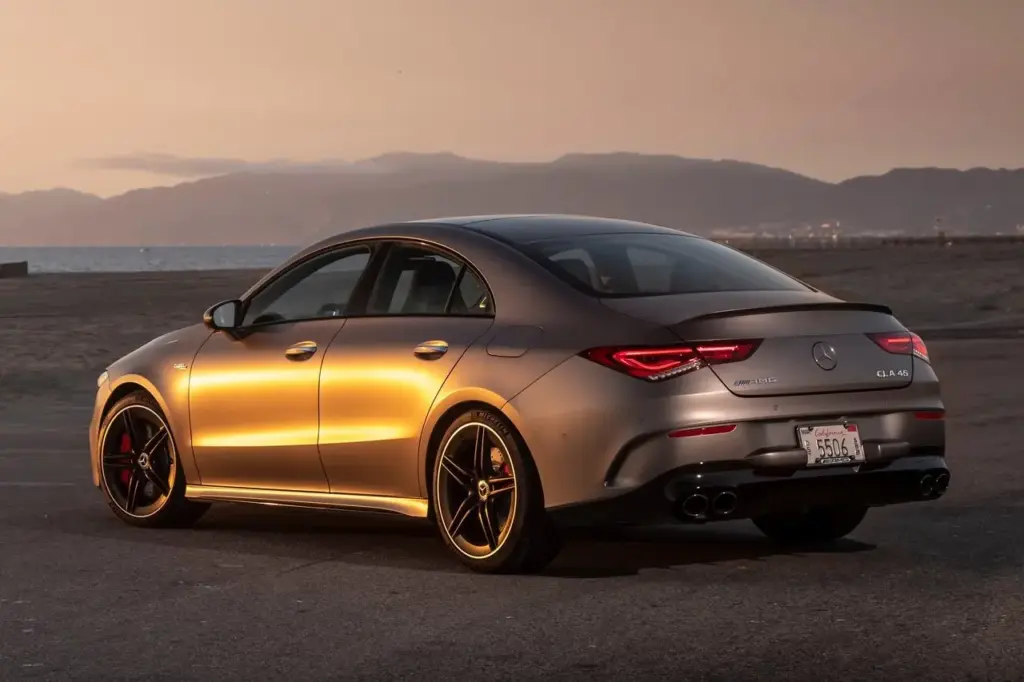
The first-generation CLA, known internally as the C117, debuted in 2013. This was the compact Mercedes with the long bonnet, tight greenhouse, and coupe-like roof that made it look more expensive than the entry price suggested. On the road, the shape did more than attract attention. The aerodynamic delivered a drag coefficient of 0,23 further proof of Mercedes-Benz ongoing research in the area of aerodynamics.
Under the skin, the line-up was built around familiar turbocharged four-cylinder engines. There were a variety of petrol engines mated with the firm’s 7G dual-clutch automatic transmission, though a six-speed manual was offered in some markets. It was a practical engine-and-gearbox spread that gave owners plenty of choice.
Mercedes also made sure the first CLA arrived with a proper tech suite. Collision Prevention Assist, Attention Assist, Parktronic with Parking Guidance, and Comand infotainment were all innovations developed for larger models and the trickle-down effect meant that CLA owners benefitted.
The hot CLA45 AMG
The real statement piece came in the form of the CLA45 AMG. Its M133 2,0-litre turbocharged four-cylinder was outrageous for the time, making 265 kW of power, before a later update lifted output to 280 kW. That made it one of the most potent production four-cylinders on sale when it arrived. The CLA45 gave the shape credibility in enthusiast circles. It was not just a fashionable compact Mercedes for parking outside kerbside coffee shops. It was also a car that could embarrass bigger machinery in the right conditions. That duality, style first, performance always lurking underneath, became part of the CLA’s identity.
Second generation CLA
The C118 curing the ills
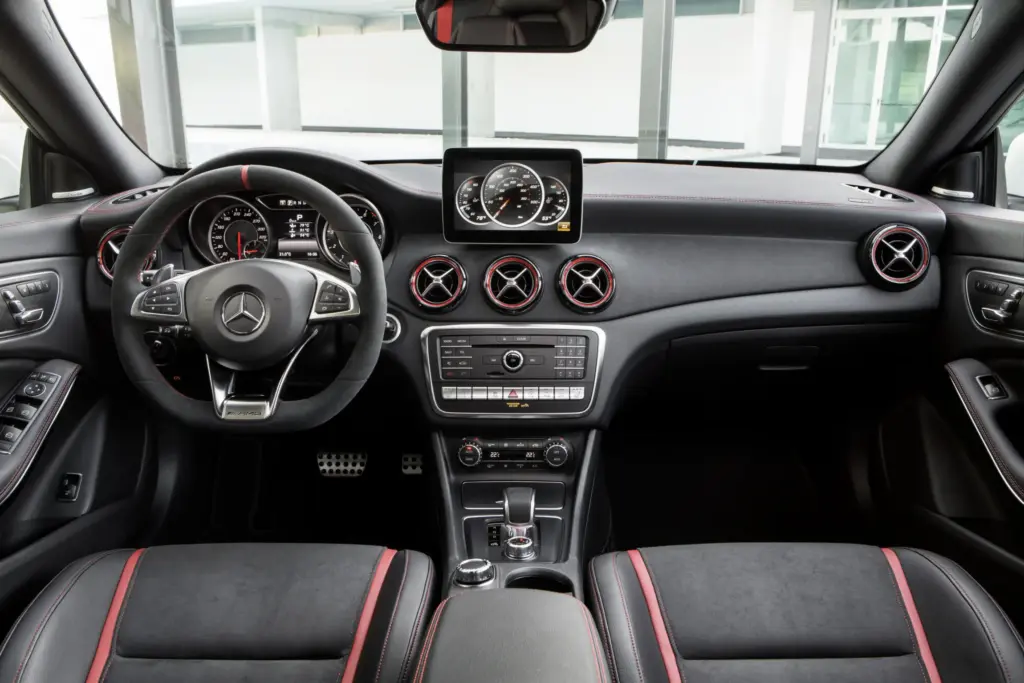
When the second-generation CLA arrived in 2019, Mercedes had clearly listened carefully to owner feedback. The original car looked the part, but the cabin did not quite match the exterior. The C118 changed that quickly. The interior was completely reworked and got the dual-screen MBUX setup, turbine-style air vents, and a much more polished feel overall. The material quality jumped, the presentation looked more expensive, and the car finally felt like the inside had caught up with the outside.
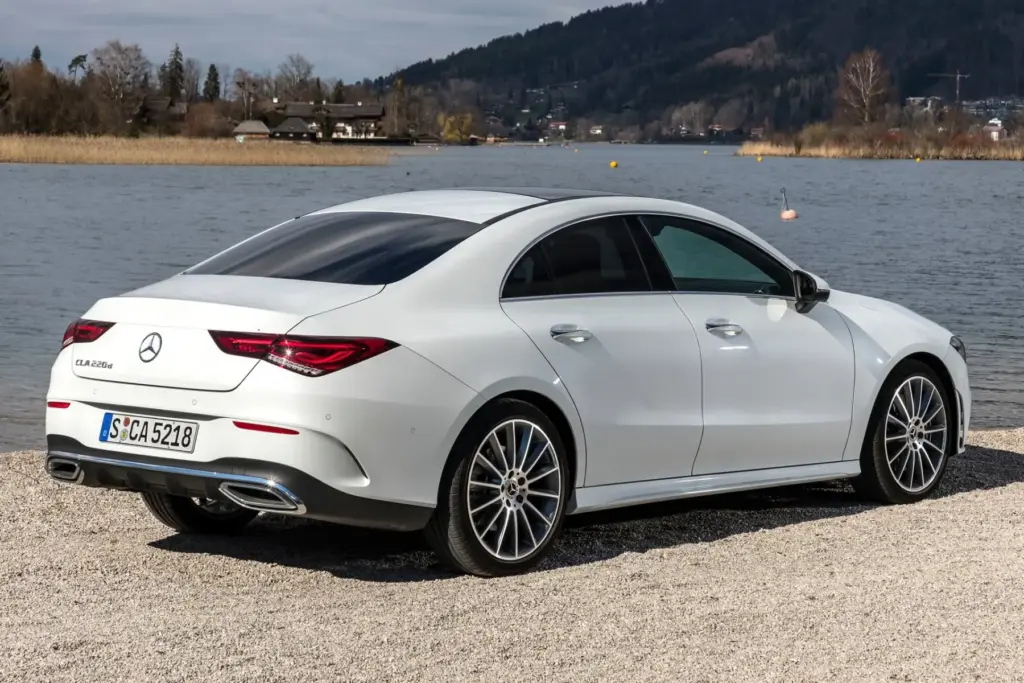
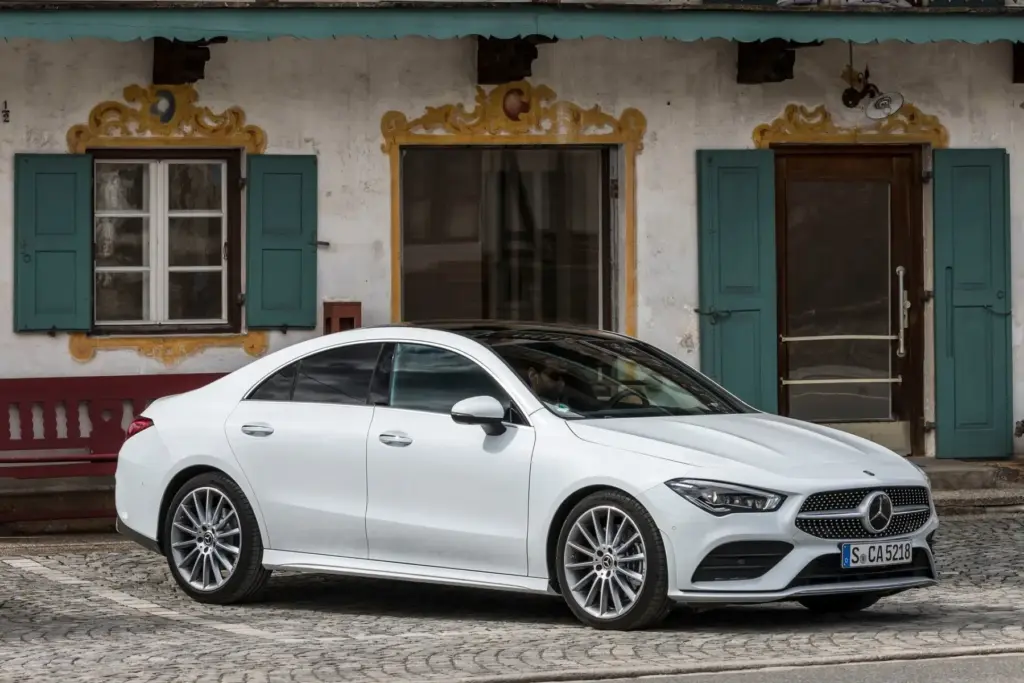
Exterior styling had undergone a complete revamp to match the more high-tech interior. Sharp headlamps set the tone for a new level of athleticism. The arching roofline remained, but created a more balanced aesthetic. Gently rising swage lines gave it a ready-to-pounce stance. The new look was sharper, more confident, sportier than its predecessor.
The addition of MBUX to this ‘entry level’ model was a major drawcard. The interface brought touchscreen control, the now-familiar “Hey Mercedes” voice assistant, and configurable display themes, with augmented reality navigation available on higher-spec cars. In a segment where plenty of rivals were still struggling with clunky menus and dated graphics, the second-gen CLA felt properly modern.
Mercedes also stretched the proportions. The wheelbase grew by 30 mm along with incremental increases in front and rear tracks. That extra footprint improved stability and gave rear passengers a bit more legroom room, even if nobody was buying a CLA to host a family picnic in the back. The suspension package also gained a more sophisticated multi-link rear setup, which sharpened the car’s balance.
The assistance tech
The bigger leap for this generation was in the form of additional driver assistance. Features such as Active Distance Assist Distronic, Active Steering Assist, Active Lane Change Assist, and Active Brake Assist with cross-traffic support brought the CLA much closer to the sort of semi-autonomous systems Mercedes had been showcasing in its larger models. That was a serious statement for a compact sedan. The CLA was now the compact model that borrowed from the S-Class parts bin.
Engines were updated, too. Petrol versions used the 1,33-litre M260 in CLA180 and CLA200 form, with the 2,0-litre CLA250 still available in some markets. Transmission choices included 7G-DCT and 8G-DCT options, depending on the version.
More AMG Firepower
AMG expanded the performance range with the CLA35 and CLA45 S. The CLA35 produced 225 kW, making it a formidable foil against other hot hatches. The CLA45 S ramped things up to a whole new level. Power was pumped up to a record-setting 310 kW, the most ever for a production four-pot motor. The latter also brought a Drift Mode and proper torque vectoring, a far cry from the sensible compact saloon formula Mercedes once used to sell into this price bracket.
The latest CLA keeps polishing the formula
C178: the third act
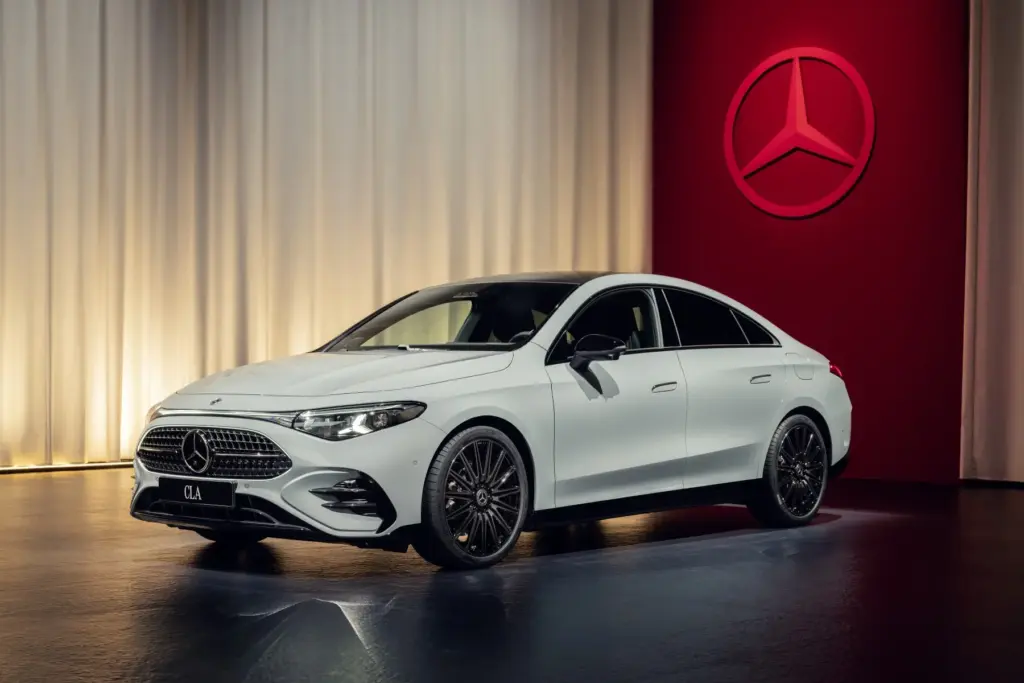
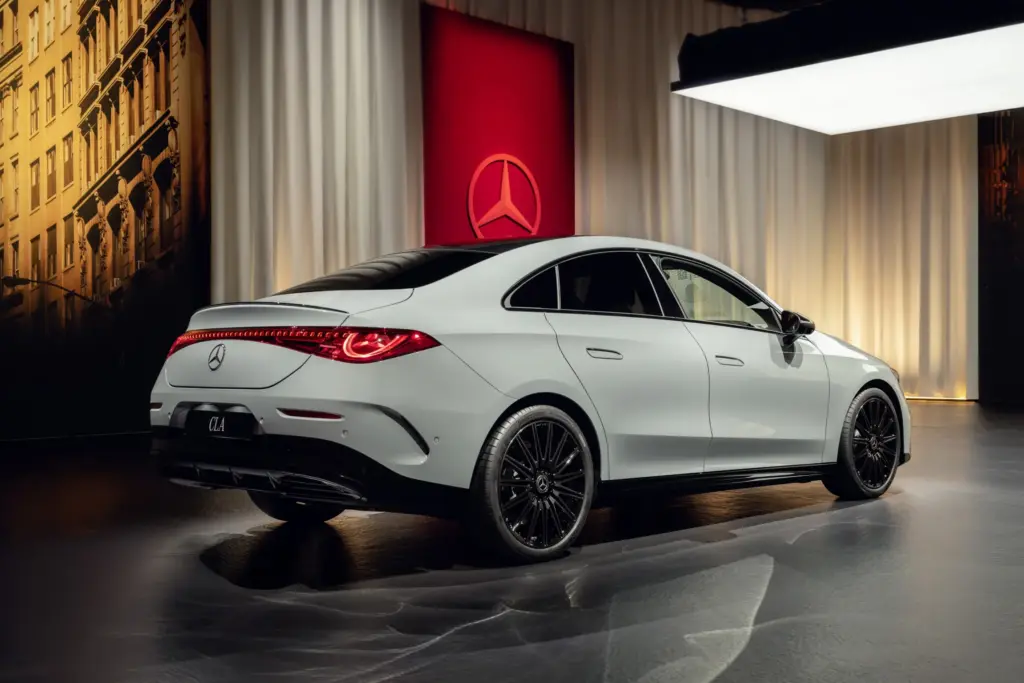
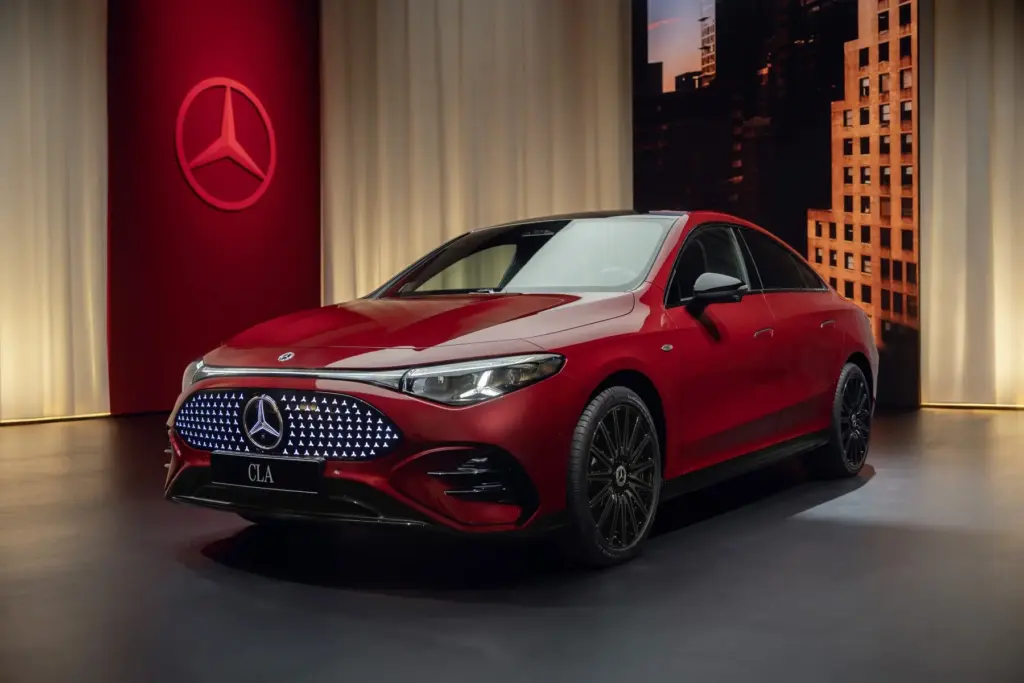
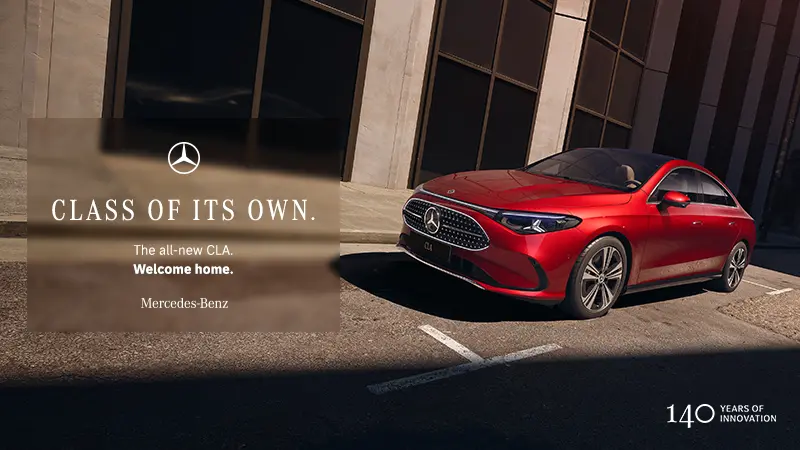
2025 saw the arrival of the third generation of the CLA, proving that the initial ‘gamble’ of a small executive sedan was the right one. The new CLA offers customers more in every respect: more space, more visual sophistication, more comfort, more intelligence, and more efficiency compared to its predecessors. The new model made its appearance in South Africa just a few months ago.
Dramatic Departure
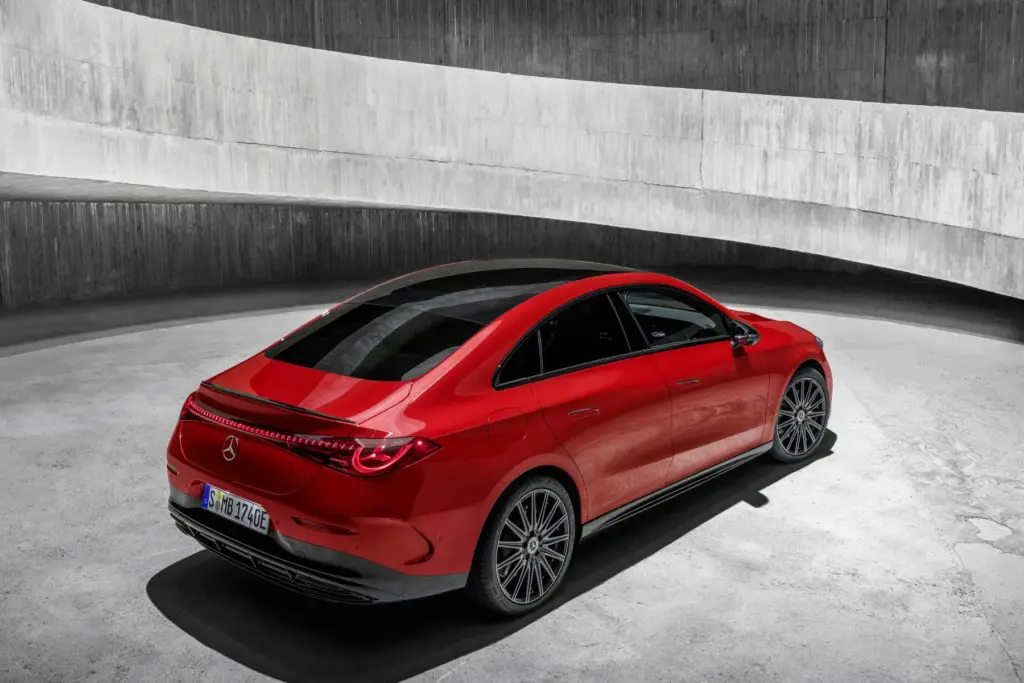
The CLA bursts onto the scene with an all-new aesthetic which takes it into the new age. Its design was led by the company’s Sensual Purity language. The new appearance is immediately evident on the completely redesigned nose, with distinction headlamp and grille treatment. A long wheelbase, short overhangs, and distinctive GT rear end create an expression of athletic power. A muscular shoulder line begins at the front wheel arch and extends to the sculpted rear. The striking character lines along the side create an interesting interplay of light and shadow in the profile.
Supercomputing Power
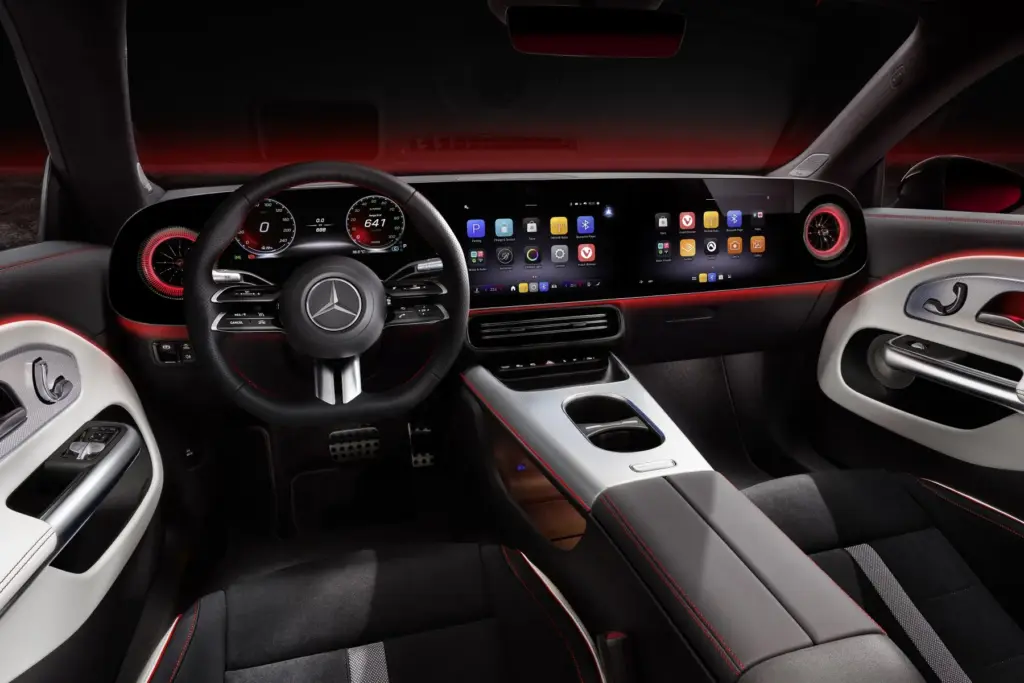
The new CLA is the first vehicle to operate entirely on the company’s in-house developed Mercedes-Benz Operating System (MB.OS). This makes it the most intelligent Mercedes-Benz ever. Thanks to the new AI-powered system, each vehicle can be equipped with supercomputers connected to the Mercedes-Benz Intelligent Cloud. This enables continuous over-the-air updates for key vehicle functions, including, for the first time, the driver assistance systems. This ensures the CLA remains current and attractive for years to come.
the new MBUX Virtual Assistant revolutionizes the relationship between vehicle and driver. It is capable of conducting complex, multi-part dialogues as if with a friend and possesses a short-term memory. Based on ChatGPT4o and Microsoft Bing Search, it combines the accumulated knowledge from the internet.
Thanks to Google Gemini, the virtual assistant is also highly knowledgeable about navigation destinations. It can access information from the Google Maps platform to provide users with detailed and personalized answers to questions about navigation, points of interest, and much more. For the first time ever, CLA owners can opt to have a third screen sited ahead of the front passenger, in much the same way as some higher-end Mercedes models have been offering.
Powertrains
The latest version is based on the Mercedes-Benz’s Modular Architecture (MMA). This platform was designed to be future-proof as it underpins both internal combustion engine (ICE) and full electric versions.
For now, the CLA range in South African consists of just a single ICE derivative, the CLA 200 . This derivative is powered by a 1,5-litre four-cylinder turbopetrol engine. In addition, supplemental drive is a provided by an electric motor that is integrated into the eight-speed automatic dual-clutch transmission. All together the powertrain produces 120 kW and 250 N.m of peak torque, all of it sent to the front wheels. This combination uses a frugal, 5,4 litre of petrol per 100 km.
Fans of EV motoring will be pleased to note that a CLA250+ with EQ Technology is now on sale as well. The model is fresh from claiming overall victory in the European Car of the Year competition. CLA was also lauded for its performance in the NCAP safety tests, scoring highly across all four categories that contribute to Euro NCAP’s overall star rating. It joins its siblings with a full five-star rating.
The full battery electric vehicle (BEV) features the brand’s new 800V architecture. Power comes from a 200 kW/335 N.m electric motor that drives the rear wheels, unique in this segment. Acceleration is a brisk 6,7 seconds for the benchmark 0-100 km/h test. Most impressively the CLA250+ can drive up to 792 km between charges thanks to an 85 kWh battery pack.
Why the CLA still matters
The CLA succeeded because Mercedes understood there was a buyer out there who wanted to buy into the brand, but felt the existing products didn’t quite match their sense of style. The CLA may have, initially, been seen as a bit of a gamble, but across three generations Mercedes kept sharpening the formula instead of abandoning it for something more generic.
Generation one made the case with sleek and slippery body. Generation two added MBUX, and pushed driver assistance into territory normally reserved for pricier cars. The latest iteration takes the badge into a new, digitised era, one led by tech-savvy early adopters. The basic premise remains, but sharpened and modernised for a new era.
The CLA defined its niche. It was never the biggest Mercedes sedan, and it was not the most sensible one either. It was the compact luxury model that looked like a coupe, acted like a gateway to the brand, and kept getting more advanced each time Mercedes revisited it.


Have your say
Got thoughts on this?
No feedback yet on How The Mercedes-Benz CLA Defined the Compact Luxury Niche. Kick the conversation off.
Free. Email link only — no password.