

The last time Bugatti answered to a single owner was when Ettore himself was sketching Type 35s in 1924. A century later, the brand has cycled through corporate foster homes, most recently as Ferdinand Piëch’s vanity project inside Volkswagen Group.
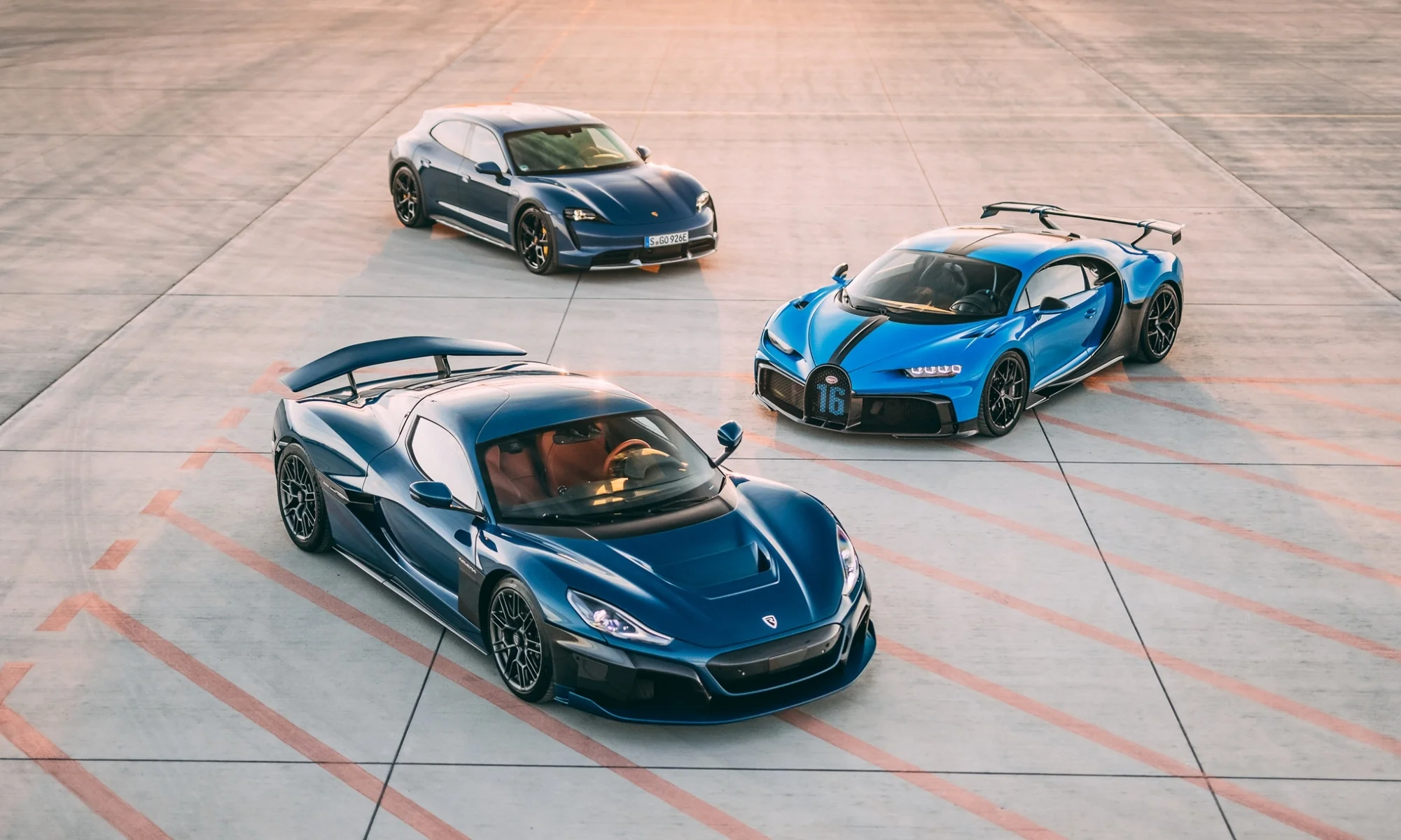
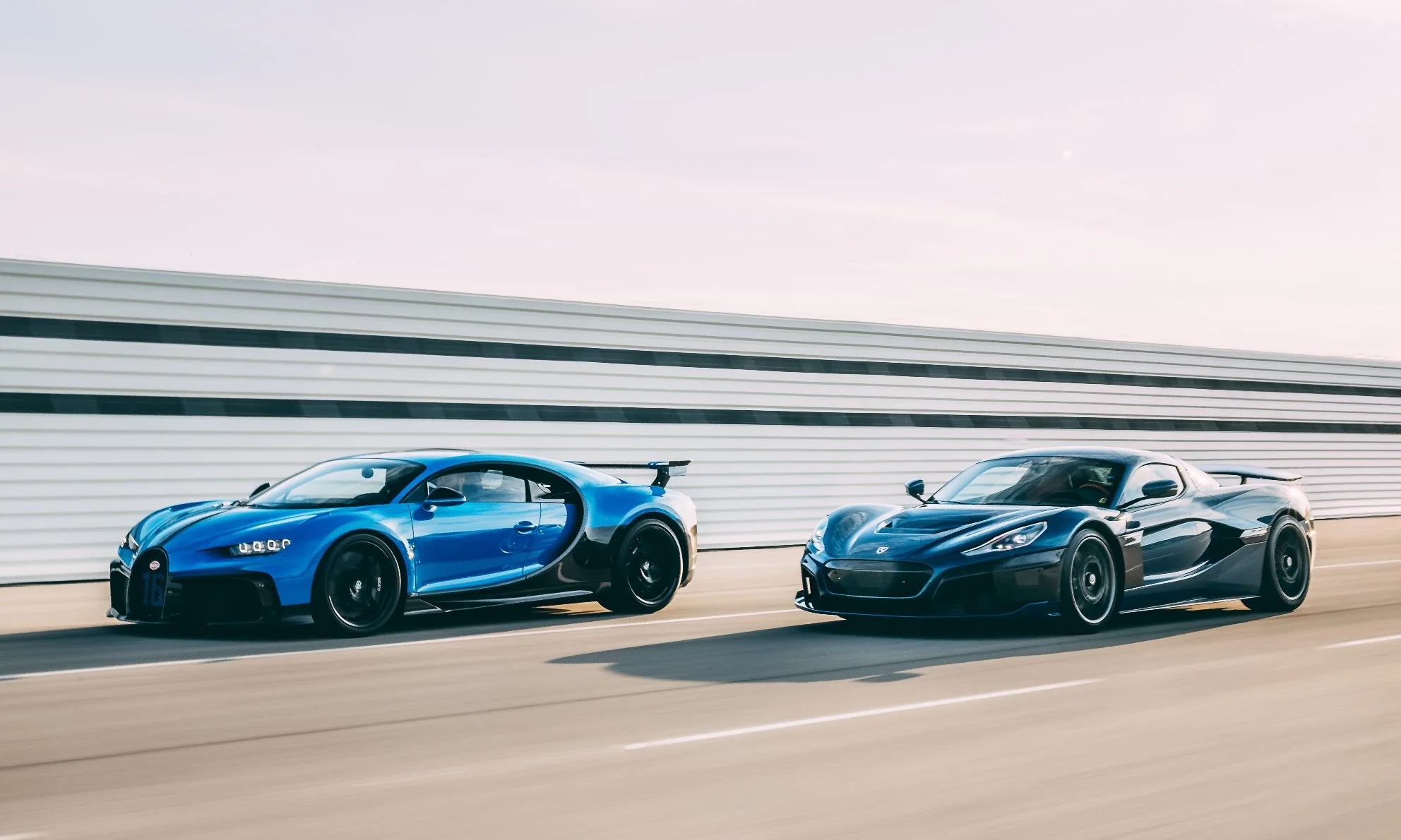
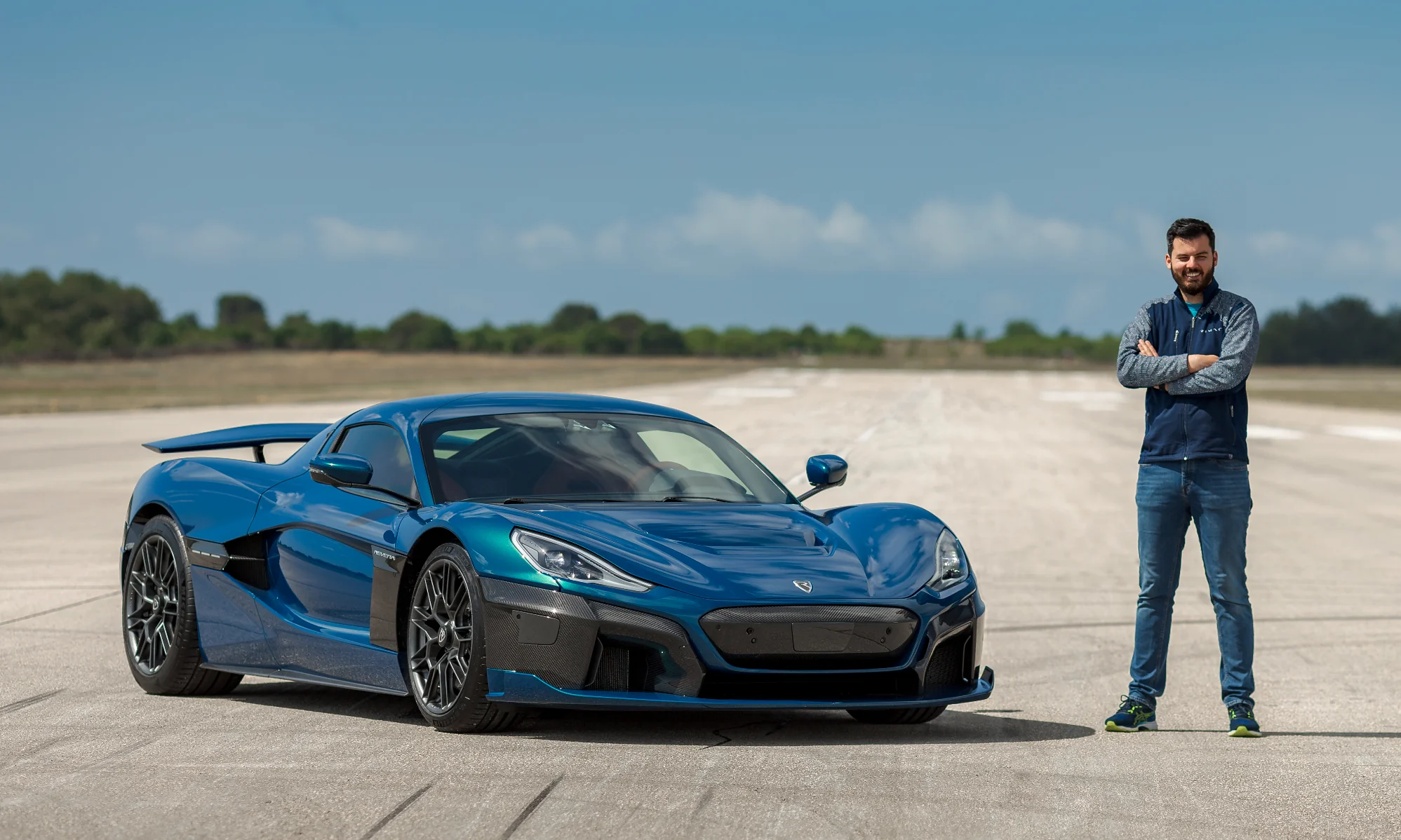
Now the structure has collapsed back to one man with a vision and the authority to execute it. Mate Rimac, who built his first electric powertrain in a Croatian garage, and formed his owner hypercar company, completed his takeover when a consortium led by HOF Capital finalised its €1 billion purchase of Porsche’s remaining stakes in both Rimac Group and the Bugatti Rimac joint venture.
I am really happy that the deal with Porsche and HOF Capital has been completed. Porsche has been a very valuable partner for all these years, enabling us to build strong foundations for the future of the brand. I am really looking forward to our collaboration with HOF Capital, who will be a great asset in executing our long-term vision for the exciting future of Bugatti
– Mate Rimac, CEO of Bugatti Rimac
VW takes over
In 1998, Volkswagen bought the naming rights for Bugatti, reviving the once grand marque. The German automaker took over the likes of Bentley and Lamborghini in the same year. Volkswagen Group’s strategy of establishing a luxury segment was spearheaded by Bugatti, a brand with an exceptional legacy, but less-than-sterling success rate in decades leading up to its rejuvenation.
Under the German giant, Bugatti flourished. There, unlimited budgets produced the Veyron and Chiron. Bugatti was reborn, thrust to the top of the automotive pyramid. But every eccentric flourish required boardroom blessing. And in recent times, increasing pressure within the group, and headwinds from the industry have led management to release its halo brand.
Porsche out
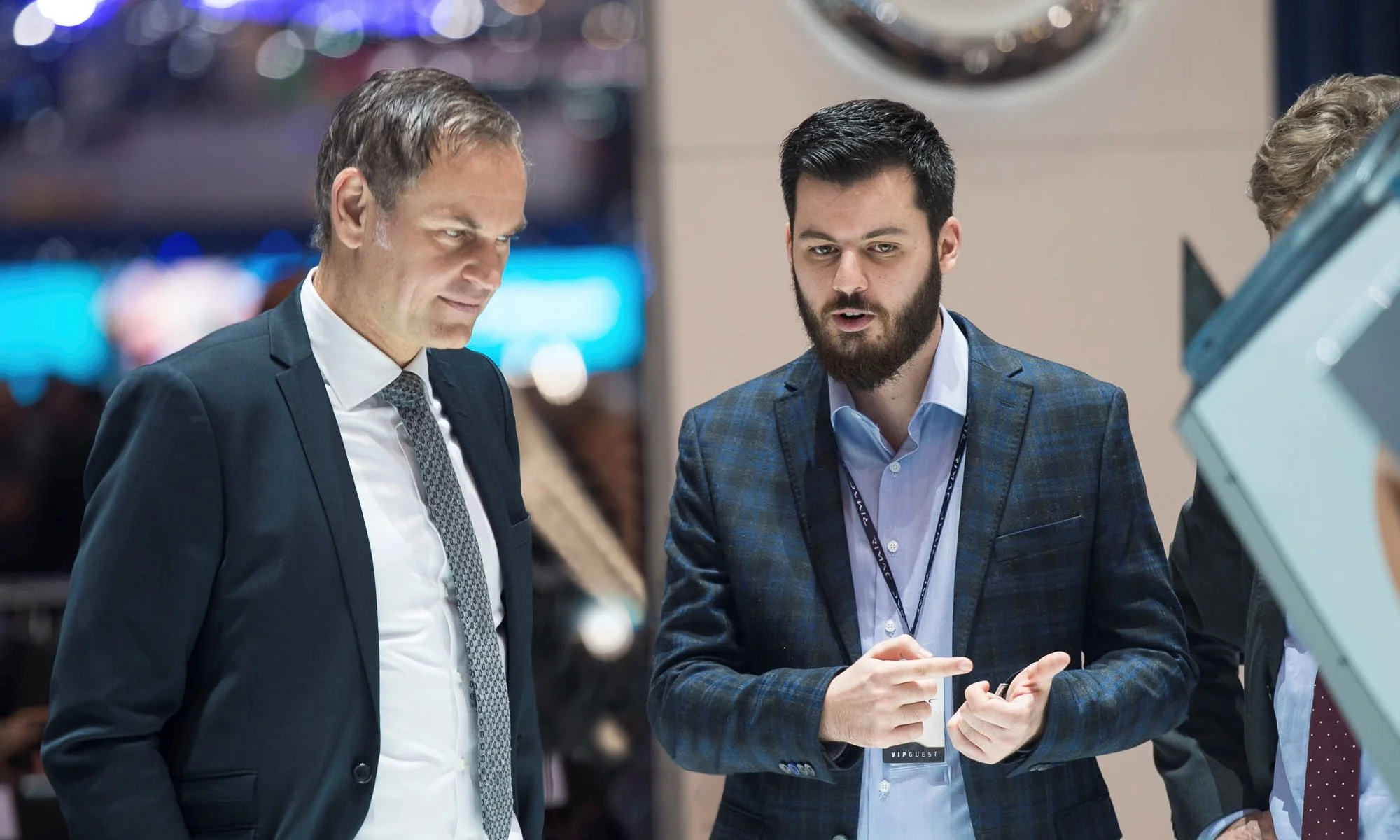
The deal that closed in April 2026 unwinds a relationship established in 2021, when Porsche and Rimac formed Bugatti Rimac with a 55/45 split favouring Rimac. Porsche separately retained 21 per cent of the broader Rimac Group. Porsche held enough influence to complicate decisions but not enough to direct them, a position that satisfied neither its accountants nor Rimac’s way of doing business.
HOF Capital, backed by BlueFive Capital and institutional investors from Europe and the United States, offered Porsche a clean exit at roughly €1 billion. Of that sum, €250 million flows directly into Porsche AG Group pension obligations. The transaction also recalibrated Porsche’s financial forecasting.
Its half-year report had excluded divestment effects from Automotive Net Cash Flow Margin projections. Folding in this cash inflow and pension relief lifts the full-year 2026 margin forecast from 3–5 percent to 5,5–7,5 percent. Porsche gets cleaner financials and rosier guidance. Rimac gets the removal of every shareholder who might veto a decision.
Full control
Corporate ownership in the hypercar segment has produced mixed results. Volkswagen Group’s stewardship delivered engineering credibility and bottomless funding, but also the occasional mandate to share platforms or justify investments to Wolfsburg committees. The Chiron’s W16 was allowed because Piëch demanded it personally. Other projects died in presentation rooms.

Rimac now faces no such hurdles. As President of Bugatti Automobiles, he reports to his own strategic vision, a ten-year plan sketched when the joint venture formed. Marko Brkljačić, formerly COO of Rimac Technology, has joined Bugatti Rimac as COO. The hierarchy is flat by hypercar standards. This should make for easier decision-making processes.
What comes after?
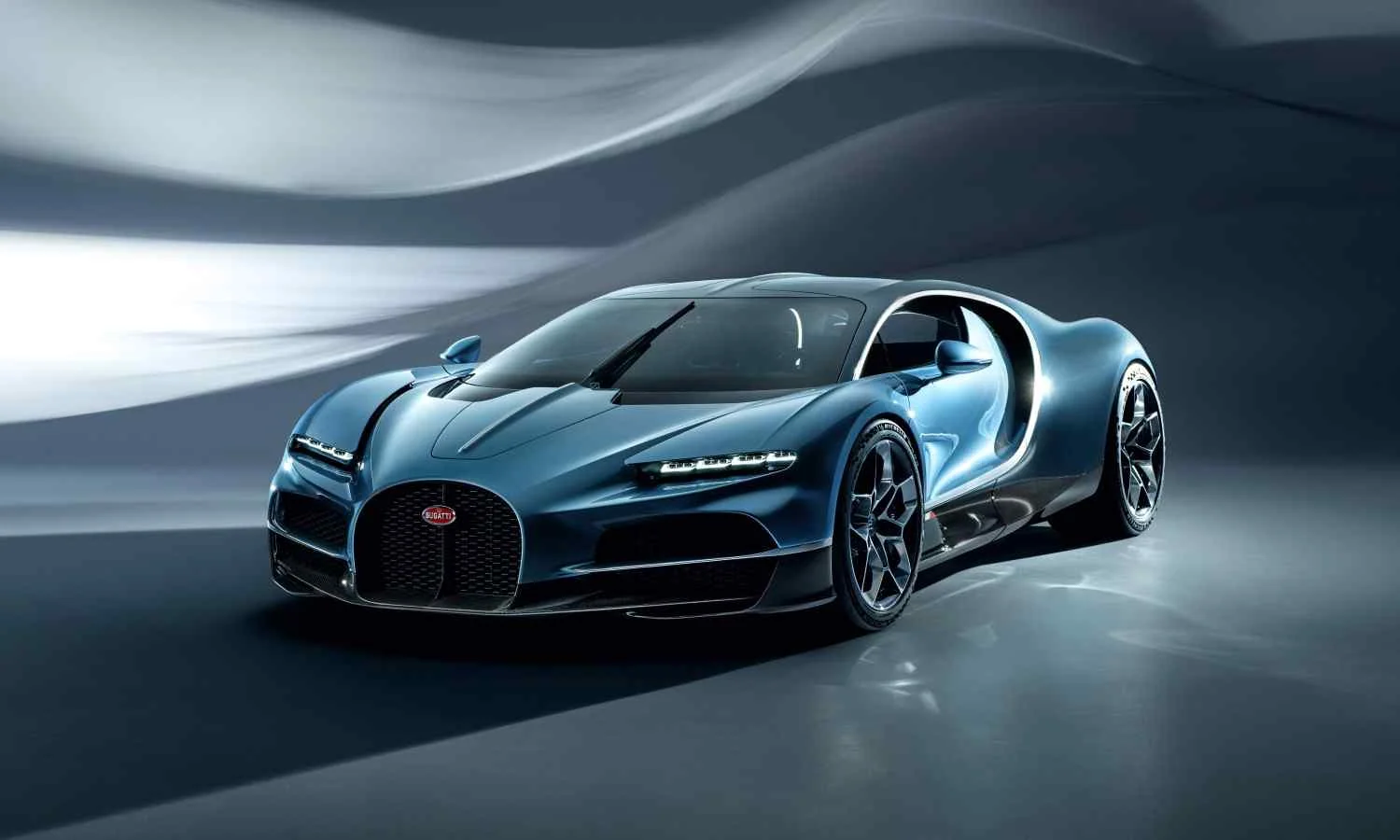
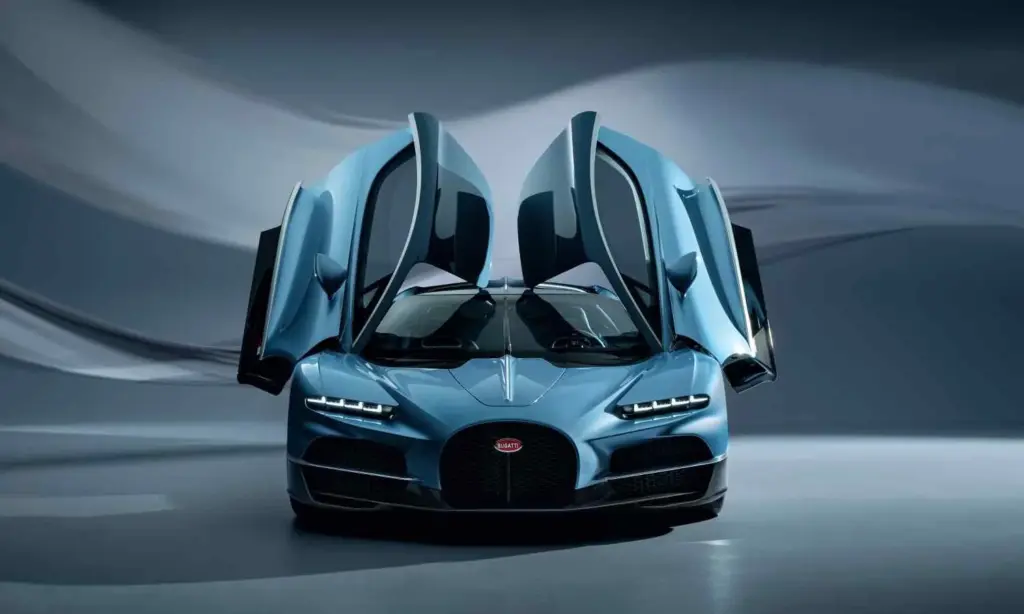
The Tourbillon is the first Bugatti developed under the joint venture and the first that will reach customers under Rimac’s unilateral control. The timing is not coincidental. The facility, the car, and the ownership change form a single statement: this is no longer a heritage brand managed by committee.
The Tourbillon represents the hinge between eras. Conceived during the joint venture but completed under Rimac’s sole direction, it carries the genes of both parents. The combustion basus speak to Bugatti’s Molsheim lineage. The hybrid integration and battery philosophy carry Rimac’s fingerprints.
Final testing now underway will determine whether this fusion convinces buyers who could alternatively wait for Ferrari’s next halo or commission something from Koenigsegg, Pagani, Zenvo or the likes.
One man, quick decisions
That next phase is where independence becomes materially significant. Inside Volkswagen Group, Bugatti’s electric future would have required alignment with broader group electrification strategies. Rimac owes no such coordination. His technology company supplies battery systems to other manufacturers, but Bugatti’s product planning can proceed on its own, chasing whatever powertrain configuration serves the brand rather than filling a corporate portfolio gap.
The Tourbillon uses hybrid architecture. Its successor might push further toward full electrification, or might not, depending on what Rimac believes the clientele will accept. The decision rests with one engineer-entrepreneur-maverick rather than a strategy board.
Will this result in a profitable, desirable hypercar brand leading into the future… time will tell.
![Porsche 718 Spyder RS Debuts [w/video]](https://doubleapex.co.za/wp-content/uploads/2023/05/Porsche-718-Spyder-RS-Debuts-300x180.webp)

![All-new Lamborghini Revuelto Debuts [w/video]](https://doubleapex.co.za/wp-content/uploads/2023/03/Lamborghini-Revuelto-300x180.webp)


![Watch BMW XM Crash At Pikes Peak [video]](https://doubleapex.co.za/wp-content/uploads/2023/11/BMW-Crash-at-Pikes-Peak-300x180.webp)

Have your say
Got thoughts on this?
No feedback yet on Mate Rimac Now Holds Full Control Of Bugatti’s Future. Kick the conversation off.
Free. Email link only — no password.