
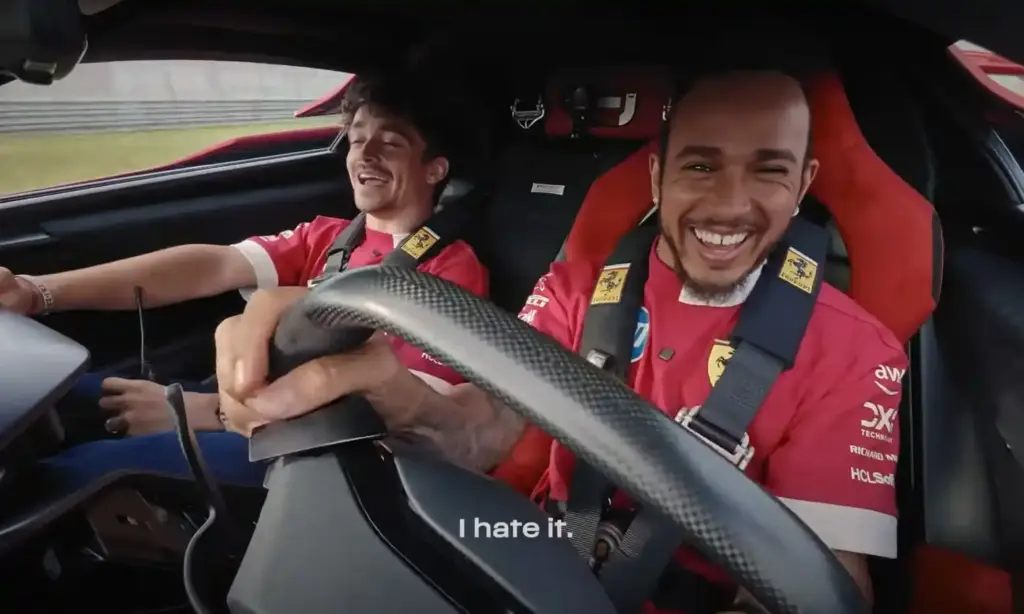
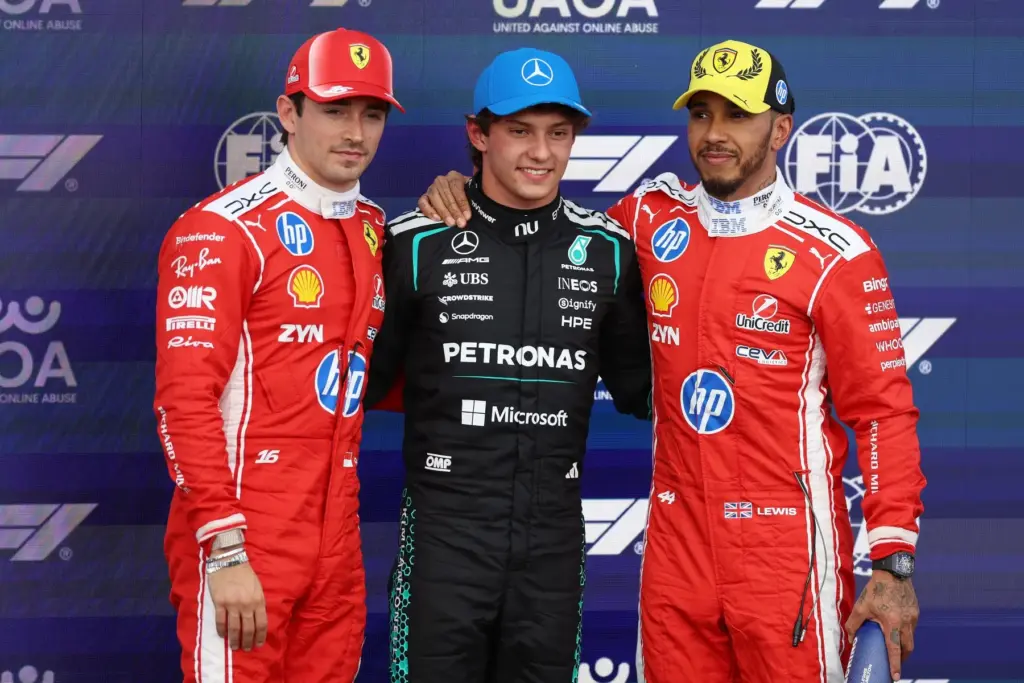

Two drivers with seven world titles between them and a set of 2026 regulations that should have given the Scuderia a car worth fighting with. The arrival of Lewis Hamilton alongside Charles Leclerc was not a mentorship arrangement. Charles needed very little in the way of instruction. His pace in F1 has seldom been in question.
At over 40, Hamilton is no long in the prime of his career, but he has proven that he is still a force to be reckoned with in the sport. It was a collision of two drivers who have spent their entire careers expecting to be the priority, now strapped into identical machinery within the most scrutinised team in Formula 1.
Follow Double Apex on Facebook and Instagram, where we share more car content.
The pedigree
Hamilton’s numbers should be well know to anyone who has watched the sport for more than a few years, but the scale is still massively impressive. In his unbroken 18-year career he has amassed 105 victories, 105 pole positions, 209 podium finishes and seven championships from 401 races entered. He has extracted wins from cars that had no business winning and sustained excellence across three distinct regulatory eras. His move to Ferrari, announced while still contracted to Mercedes, signaled a new challenge and the hope that the Maranello organisation can deliver him an eighth title.
Leclerc’s tally is not as impressive but no less revealing of his capability. He has nine wins and 27 poles since his 2018 debut, with his first victory coming at Spa in 2019, his debut season in red. He has entered half as many races as Hamilton, but the stats are massively skewed. He finished runner-up in the 2022 championship during Ferrari’s most recent genuine title push and signed a multi-year extension in January 2024 that commits him beyond 2027. Leclerc’s stated intent is to win F1’s ultimate crown at the Scuderia.
Ferrari’s history of choosing sides
The Scuderia has not managed a rivalry successfully since the Schumacher era ended. Jean Todt and Ross Brawn constructed the dominant 1999-2006 dynasty around a clearly defined hierarchy. Rubens Barrichello’s submission at the 2002 Austrian Grand Prix, moving over on the final lap to hand Schumacher the win, remains the defining image of Ferrari’s approach at the time. The backlash led to a temporary ban on team orders, but the underlying principle remained. Even in Schumacher’s final 2006 campaign, Felipe Massa understood his ‘understudy’ role.
The post-Schumacher years reveal what happens when Ferrari lacks that clarity. Massa must’ve have thought he’d be promoted to team leader. First came Raikkonen, who clinched the title in his first year in red. Fernando Alonso, who arrived in 2010, rapidly established him as the de facto lead despite initial claims of equality. The Fernando is faster than you radio message to Massa at Hockenheim that year stripped away any doubts in favour of the Spaniard.
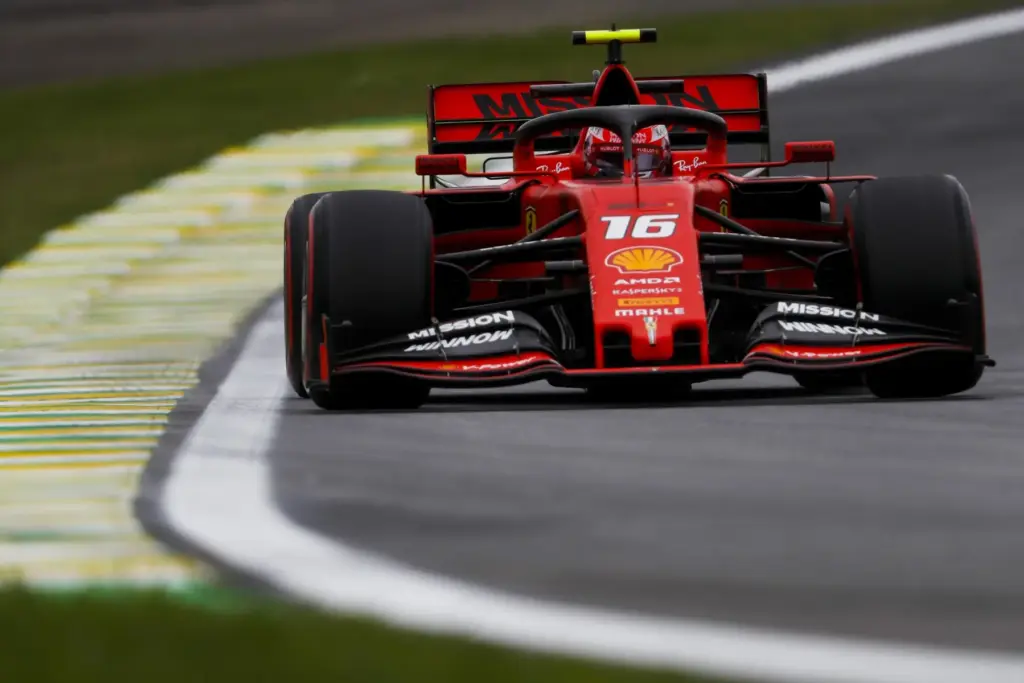
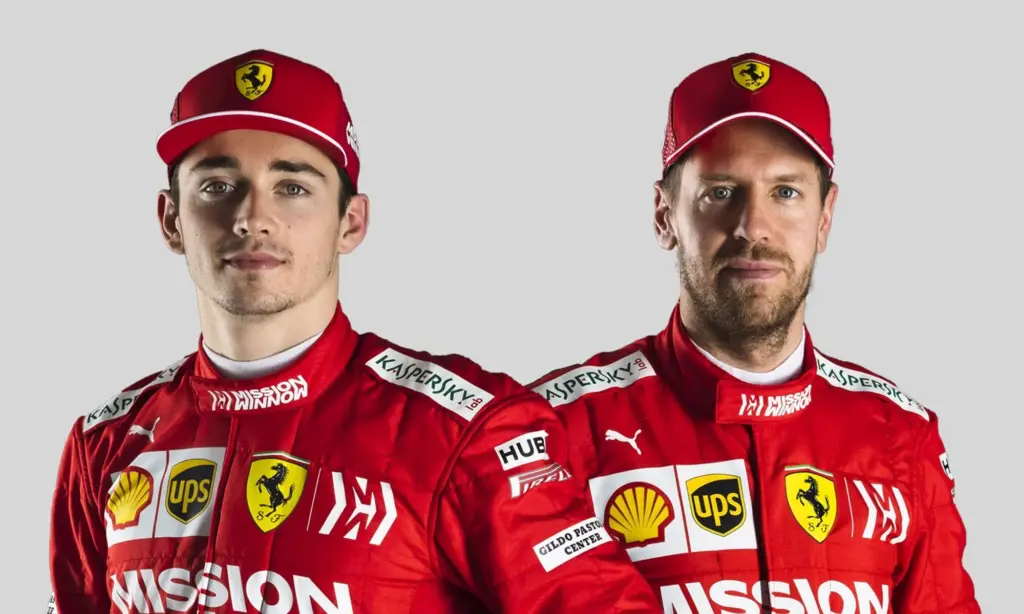
The Vettel-Leclerc pairing of 2019-2020 showed that team was not prepared to favour one driver over another. Even if one of them was a four-time champ and the other was a new recruit. Their collision at Interlagos in 2019, which put both cars out, a clear example what happens when two drivers accustomed to preference meet in the same team without enforced boundaries. Ferrari finished second in the Constructors’ Championship that year, 235 points behind Mercedes. The internal warfare consumed energy and points that the team could not spare.
Exciting times
The 2026 regulations, with their revised power units and active aerodynamics, represented the most significant technical reset since the hybrid era began. Ferrari’s development trajectory under Fred Vasseur suggested genuine optimism that the SF-26 would be a contender from the opening round. Some say it was the initial 2026 car concept that convinced Hamilton to make the switch to the Maranello-based outfit.
Allowing Leclerc and Hamilton to race freely carries obvious appeal, especially for fans. Two elite drivers pushing each other could accelerate car development and maximise points. But the risks with that outweigh the reward. Both men have spent their careers in teams organised around their preferences. Although, technically speaking there wasn’t a No1 at Mercedes, Hamilton’s dominance over Rosberg meant that, even if sub-consciously, the team leaned that way.
Hamilton’s eight-year Mercedes tenure yielded six drivers’ titles and eight constructors’ championships because the team operated almost entirely as his platform. Leclerc has his roots far deeper into Ferrari. Not only did they cultivate his talent through the Driver Academy his Latin background and poster-boy charm suits the Scuderia far bettter than the aloof Brit.
The 2026 sh**show
Ferrari started off 2026 strongly, proving to be the closest challenge to the, once-again-dominant, Mercedes F1 team. There was very little to separate the drivers through the early part of the season. While Antonelli, the undoubted star of 2026, charged to multiple wins, the rest of the field were fighting over podium positions. Then a breakthrough. Hamilton secured his first win for Ferrari since joining at the Spanish GP. It was the first win for the Scuderia since late in 2024.
At this point, with a clear leader on the log, Leclerc trailing by 46 points, Ferrari should have started to lay down some ground rules. It would have been a tough decision to make but a laissez-faire approach would be an even worse outcome. Hamilton stayed within touching distance of the Silver Arrows drivers through the middle of the season.
By contrast, Leclerc’s fortunes waned. A few poor performances dropped the Monegasque driver to as low as sixth place as his more senior teammate progressed. Mercedes was, by far, the superior team this year, but mid-season technical troubles for both Silver Arrows drivers proved that it was not infallible. Ferrari needed to put its eggs into one basket ie back Hamilton. But the team continued with the same thinking that produced the Vettel-Leclerc fireworks… with history repeating the results.
On track skirmishes
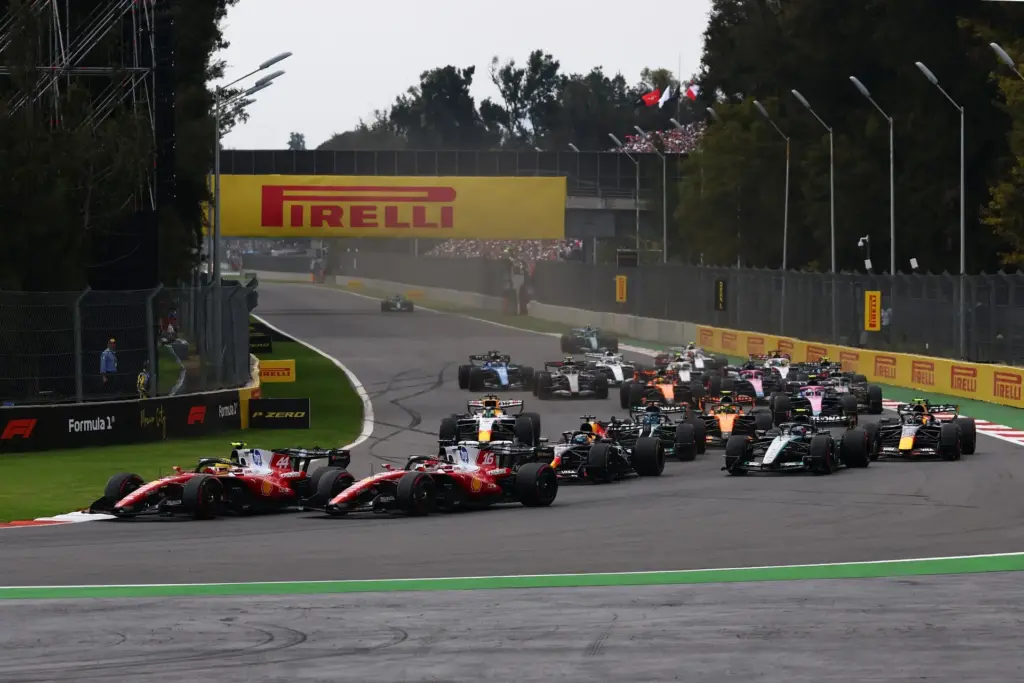
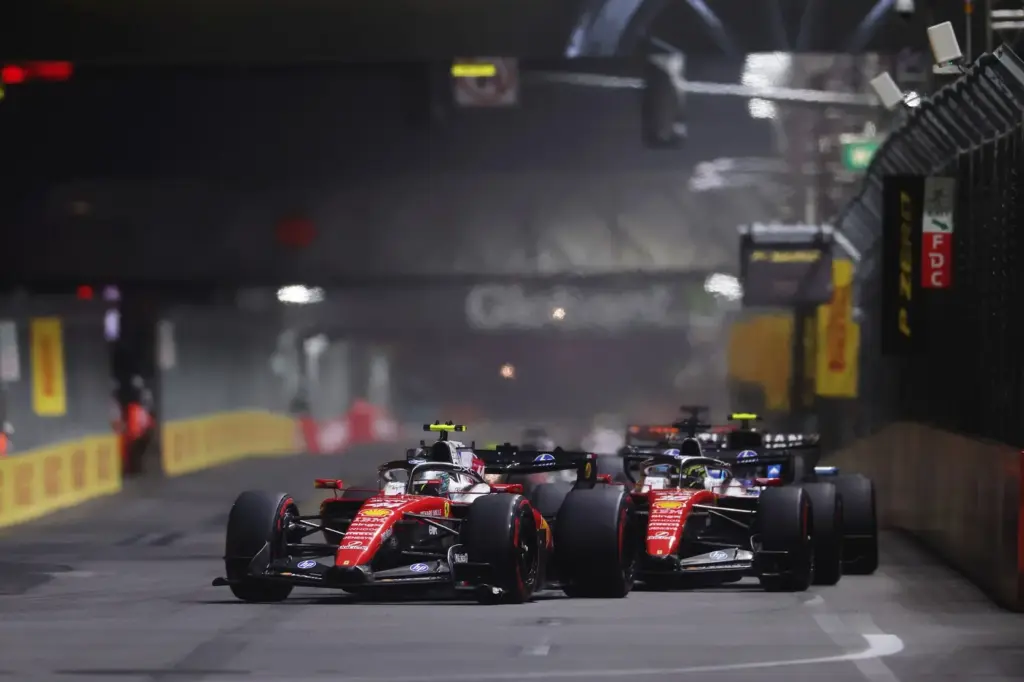
While the red cars should have been working together to progress, it seemed that the teammates, particularly Leclerc was not going to play second fiddle to his more illustrious teammate. That, it seems, is just not in his DNA. On track battles, first at Mexico, when the team could have secured a double podium, and more recently in Las Vegas showed desperation and an unnecessary intra-team rivalry. The latter coming after a team meeting where such things were strictly forbidden…
For the first time in his F1 career Leclerc has been outperformed by a teammate, not that being outperformed by a seven-time world champ is a mark against his name, but this does not seem to sit well with the 29-year-old. The stats (at time of writing) slant in Hamilton’s favour. They have a win each, but the more senior driver has 267 points vs 250 and two additional podium finishes. Notably, the Brit has a pole position and Charles does not. Leclerc has 27 career poles to his name, the most for any driver without an F1 title. There is a pretty good breakdown of their comparative 2026 stats at this link.
The tough choice
With Antonelli claiming the title in Mexico, attention turned to second place on the log. We don’t think that many drivers care too much about the eventual order behind the champ, but there is some team honour, and dominance at stake. Not to mention a large chunk of change for team points when the season ends.
Ferrari, once again, has left its fans feeling hard done by. The Scuderia a distant second to Mercedes. The continued needle between the Scuderia teammates has provided as much excitement and drama as anything else in the dying stages of the ‘dead’ season.
What next?
With any 2026 challenge well and truly squandered, what will Ferrari do in 2027? THAT is the big question. Ferrari’s optimal route through 2027 should probably start on a level playing field. However, once one driver is shown to have a clear edge, there should be some Schumacher-era autocracy to mount a solid challenge, and to prevent more fireworks.
Vasseur’s challenge is to establish clear racing protocols without initially formalising a number one designation, to permit on-track combat until the championship situation demands consolidation. The history books are unkind to teams that get this wrong. Ferrari’s own experience in years gone by and more recently demonstrate that two talented wheelmen in equal machinery can produce spectacle while destroying championship hopes.



Have your say
Got thoughts on this?
No feedback yet on Choosing Sides: The Hamilton-Leclerc Ferrari Headache. Kick the conversation off.
Free. Email link only — no password.