

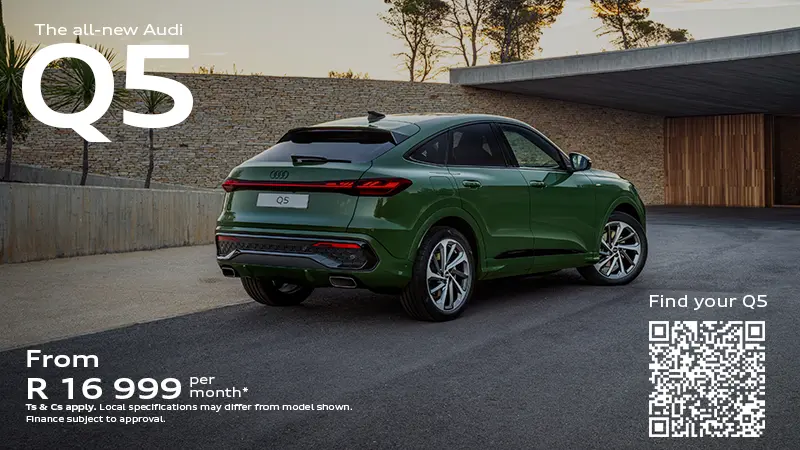

Chinese cars did not arrive in South Africa wearing apology notes. They arrived with leather-look trim, 360-degree cameras, huge touchscreens, seven-year or longer warranties, and price tags that made a lot of established badges look lazy. That is the part Toyota, Suzuki, Volkswagen and the rest are now dealing with. The fight is no longer about which badge has the longest history. It is about who gives the clearest value signal to a buyer standing in a showroom with a budget and a phone full of comparison tabs.
The market has already started to answer. Chinese brands such as Chery, GWM, Haval, BYD, OMODA and JAECOO are pulling share by doing three things at once: loading cars with features, keeping prices sharp, and actually having stock on the floor. After years of waiting lists and supply headaches from older players, that matters. A lot.
The Chinese pitch is simple
The Chery Tiggo 4 Pro tells the story neatly. It looks more expensive than it is, the cabin feels far more polished than buyers used to expect at the price, and it lands in the exact sweet spot South Africans have been drifting towards, a compact SUV with enough tech to feel special, but not enough cost to trigger buyer’s remorse.
Chery has been especially aggressive with trust-building. Its 10-year, 1-million km engine warranty is not subtle marketing. It is a threat. The message is obvious: bring your doubts, we will outlast them.
That approach has worked because the old value equation has been fraying. The Volkswagen Polo Vivo remains the country’s most popular driver-rated passenger car and the best-selling passenger vehicle in 2026 projections, helped by Kariega-built reliability, steady residuals and heavy support from fleet and rental buyers. The Suzuki Swift still has the neatest argument in its class, fuel efficiency and standard equipment. The Toyota Corolla Cross still sells on family dependability and Toyota’s nationwide network. Yet each of them is being challenged by buyers who want more screen, more kit and more visual drama for the same money.
Chinese brands are selling that formula in volume, and they are not doing it with one model. GWM, Haval, BYD, OMODA and JAECOO are all taking bites out of the market in different corners, but the pressure point is the same: affordable, well-specced compact SUVs.
Toyota and Suzuki know the fight
Toyota and Suzuki are not standing still. They have built a defensive wall around the parts of the market they know best, and they are doing it together.
The badge-engineered twins tell their own story. The Toyota Starlet and Suzuki Baleno share the same basic logic. So do the Toyota Rumion and Suzuki Ertiga, plus the Toyota Urban Cruiser and Suzuki Grand Vitara. That is not an accident. It is a coordinated answer to a market where price, packaging and perceived value matter more than brand nostalgia.
Then there are the newer plays. The Suzuki Fronx and Toyota Starlet Cross are clearly aimed at the same kind of buyer who would once have looked straight at a Chinese compact SUV. The difference is that Toyota and Suzuki can lean on something the newcomers still have to earn, trust built over decades of ownership in South African traffic, heat, dirt roads and taxis that never seem to die.
Toyota still sits as South Africa’s biggest manufacturer by some distance, while Suzuki has climbed into second place ahead of Volkswagen. Toyota South Africa Motors has been operating in Prospecton near Durban since 1972, and that local base still matters. It builds the Hilux, Fortuner, Corolla Cross and Hiace Ses’fikile here, which gives the brand a weight that imported rivals cannot fake.
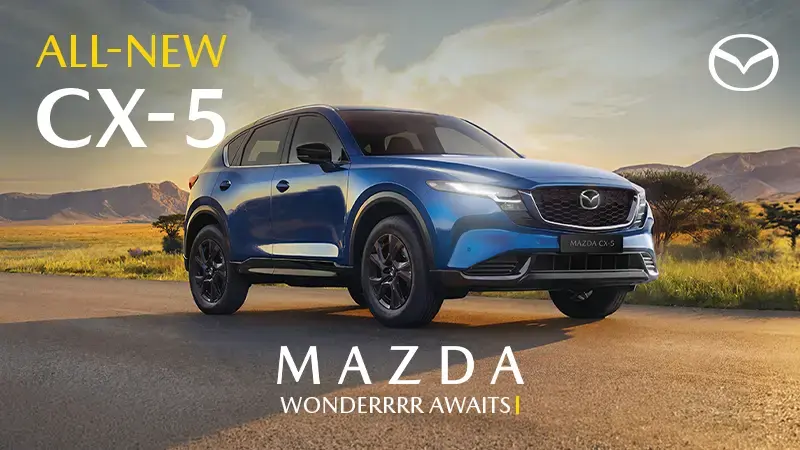
The old weapons still work
If the Chinese brands are attacking with features, Toyota and Suzuki are countering with honest, stubborn strengths.
The Hilux and Fortuner remain the default answer for buyers who care about resale value and mechanical simplicity. They are not glamorous, and that is exactly why people trust them. The Hilux is still the vehicle South Africans picture when they think about work, farms, towing and abuse that would flatten a softer bakkie in one winter.
The Suzuki Jimny occupies its own little kingdom. There is no direct Chinese rival at its price that offers the same authentic off-road feel in such a compact package. It is small, square, honest and slightly ridiculous in the way proper cult cars should be. Suzuki knows exactly what it has there.
Then there is the Corolla Cross Hybrid, which is Toyota’s cleanest answer to EV fatigue. Not everyone wants to plug in, plan charging stops or buy into the full battery-electric sales pitch. Toyota’s multi-pathway strategy accepts that reality. It keeps ICE, hybrid, plug-in hybrid, BEV and hydrogen fuel-cell options in play, while the hybrids generate cash and buy time for the next round of development.
China is already inside the car
The awkward truth is that even buyers who swear they are not shopping Chinese are often already shopping Chinese in part. China controls more than 70% of global EV battery production, and names such as CATL and BYD supply batteries to brands including Tesla, BMW, Ford and Toyota. Chinese software is spreading too, with Huawei systems increasingly embedded in cars sold across Asia and Europe.
The influence goes further. Volvo and Polestar are Chinese-owned through Geely. The newest electric Smart cars and BMW’s electric Minis have been developed and built through Chinese joint ventures. Even vehicles assembled in South Africa, Germany or the United States depend on Chinese processing of lithium, cobalt, graphite and rare earth magnets. Without that supply chain, most modern hybrids and EVs would be showroom ornaments.
Toyota understands this better than most. Its answer is not panic, it is pragmatism. The brand is deepening partnerships in China, including work with BYD and Huawei on projects such as the bZ3X SUV, while also pushing localisation, regional supply chains and new EV models. It is investing in giga-casting and solid-state battery work because speed now matters as much as reputation.
The message from the market is blunt. South Africans are buying more Chinese cars, buying Chinese technology inside non-Chinese cars, and rewarding the brands that can deliver features without making them wait half a year. The badge on the nose still counts. It just counts less than it used to.

Have your say
Got thoughts on this?
No feedback yet on Chinese Cars Are Forcing South Africa’s Giants to Rethink Everything. Kick the conversation off.
Free. Email link only — no password.