
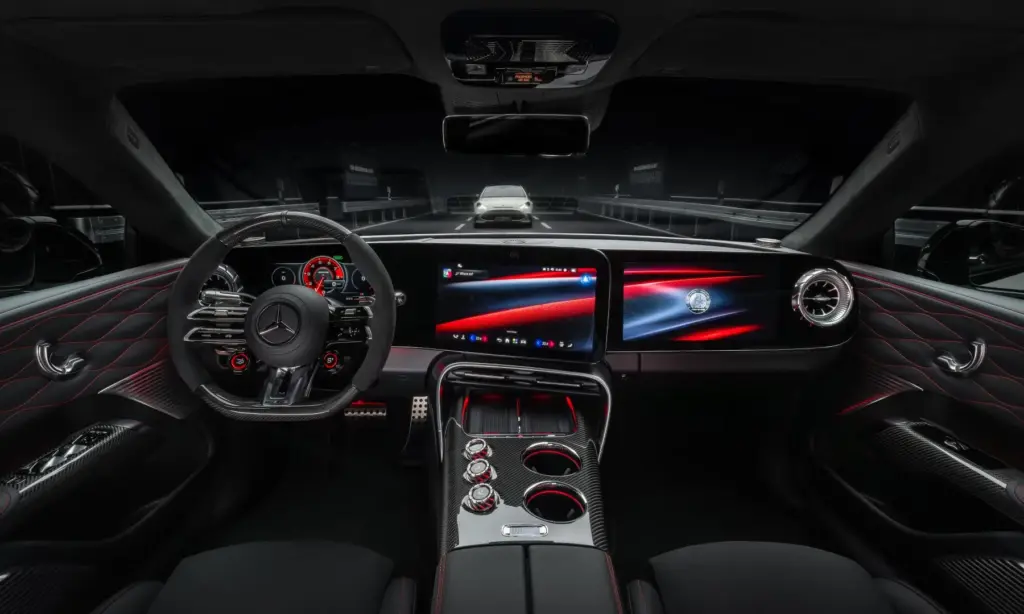
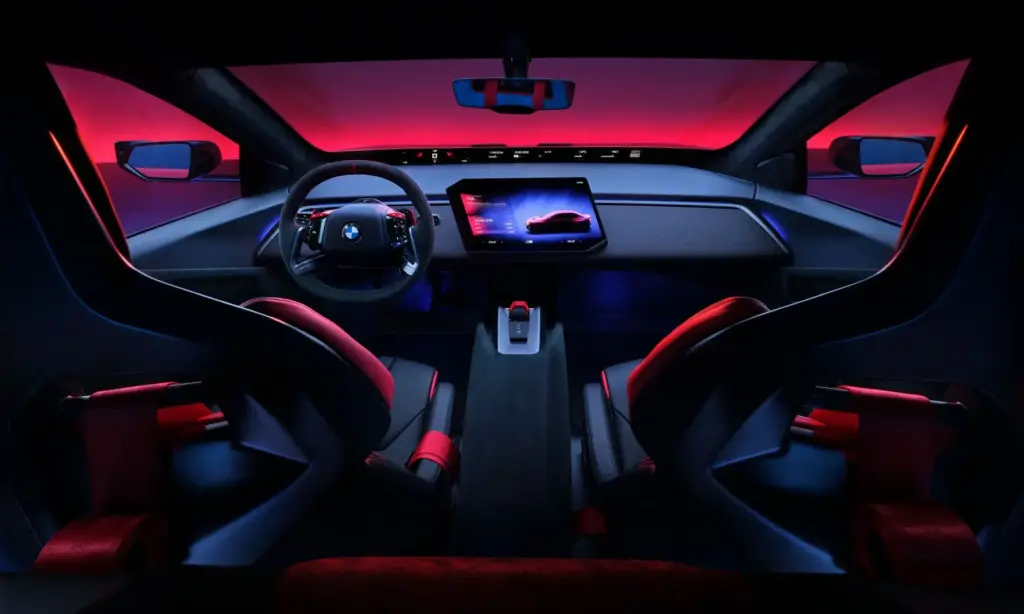
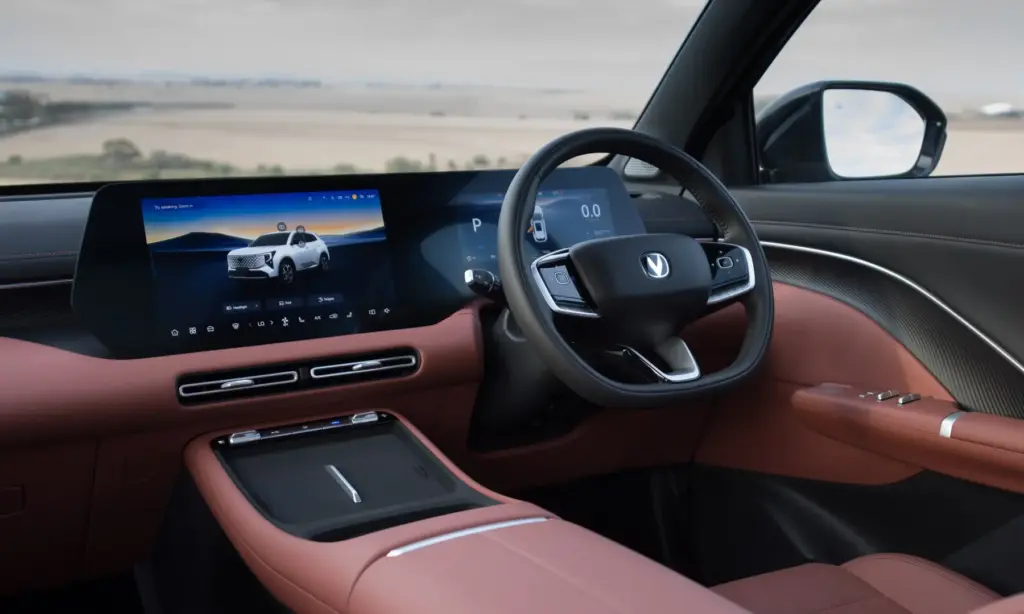
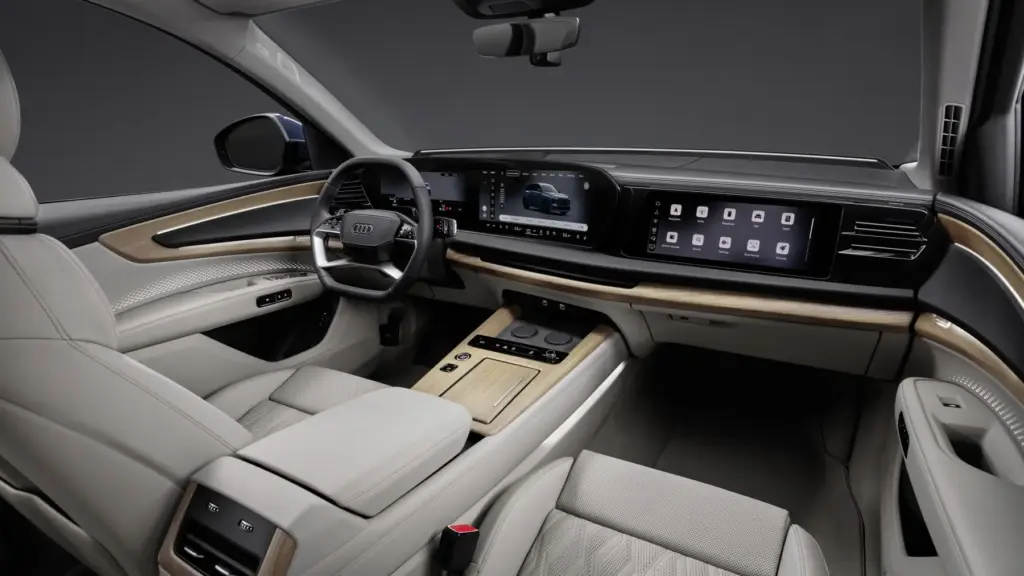
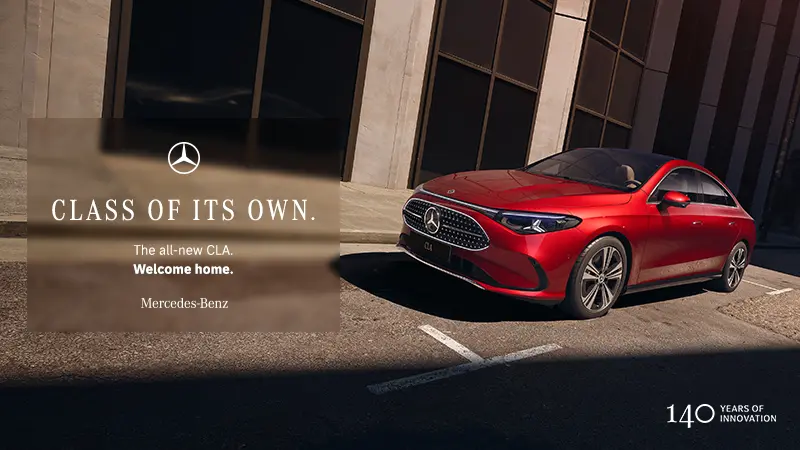

If we had a dollar for every time we’ve written or read the phrase “touchscreen infotainment”, we’d be rich. The new tech has fundamentally change new car interiors, but is it a good thing? Recent findings by the JD Power Initial Quality Study have unearthed some findings that suggest otherwise.
A modern new car can feel like an iPad bolted to a rolling chassis. The cabin looks cleaner, the dash has fewer buttons, and the sales pitch is always the same: more screen, more features, more convenience. In practice, the driver often gets a glossy slab of glass that handles radio, climate, phone mirroring, navigation, vehicle settings, and half the warning chimes in the car. On paper, it sounds efficient. In traffic, on rainy morning, with one hand on the wheel and a phone trying to reconnect, the old way of doing things can feel smarter.
The screen revolution
Touchscreens did not take over because car makers are trying to annoy people. They arrived because they bundle functions neatly, reduce physical switchgear, and let manufacturers change software without redesigning the cabin. A single display can do the work of a row of buttons and knobs. It can also make a car feel more expensive than it is, which is why even mass market hatches now carry dashboards that would have looked futuristic a decade ago.
There is a practical upside too. Owners expect Apple CarPlay and Android Auto connectivity. For many those systems have become part of the buying decision. If it works properly, the car feels more current and easier to live with. If it is clumsy, it becomes the thing you curse every time you start the engine.
The latest JD Power Initial Quality Study shows that overall vehicle quality improved again this year, but infotainment systems are the exception. In JD Power’s scoring system, a lower PP100 figure means better quality, because it records fewer problems per 100 vehicles. Infotainment was the only category to move backwards.
Increasing Issues
JD Power found infotainment problem rates of 44,4 PP100 in the mass market segment and 38,3 PP100 in the premium segment. That makes the category the lone weak spot in a study that otherwise points to improving new vehicle quality.
The biggest drag inside that category is smartphone connectivity. Android Auto and Apple CarPlay issues added 1,4 PP100 to reported problems, making them the single largest contributor to infotainment’s decline. In plain English, the part of the cabin that buyers use most often is also the part most likely to fail when a phone, cable, software version, or pairing process refuses to behave.
Frank Hanley, senior director of auto benchmarking at JD Power: “As more technology is introduced into vehicles, keeping the experience simple matters more than ever. The biggest gains in quality come from features that are easy to use, simple controls, less-intrusive driver assistance and software that works the way customers expect. When technology becomes too complicated, the likelihood of customers experiencing a problem rises considerably.”
This is the clearest summary of the current dashboard problem. Car makers have spent years removing buttons in the name of progress, then discovered that the software they replaced them with has to be excellent all the time. A climate knob fails in one obvious way. A screen can fail in a dozen ways.

Distracted driving
The safety argument matters just as much as the quality argument. A touchscreen that freezes, buries a function three menus deep, or refuses to connect to a phone is irritating and diverts eyes off the road and attention away from driving.
JD Power’s data puts some numbers behind that. Among owners who reported a distracted driving problem with their vehicle, 46 per cent said the source was the infotainment system or touchscreen. Another 18 per cent blamed driver assistance alerts. That is a worrying trend. The screen, meant to simplify the cabin, is the part most likely to make the driver work harder. The alerts, systems built to help, also contribute to the distraction pile when they become too loud, too frequent, or too anooying.
The whole touchscreen obsession starts to look backwards here. The industry sold digital cabins as a route to better control, cleaner design, and smarter integration. Instead, those very systems are the main source of complaints because the stereo will not talk to a phone properly.
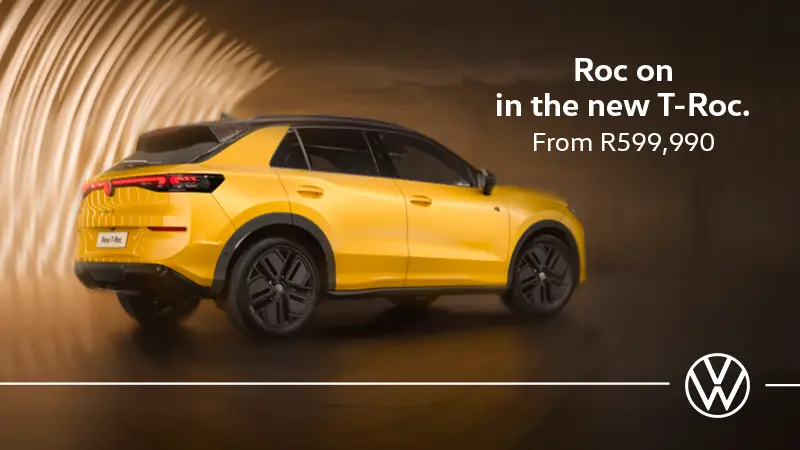
South African buyers know this feeling well. Many of us live with patchy Bluetooth behaviour, delayed connection times, and software that seems designed by someone who has never been stuck behind a taxi in peak-hour traffic. When the screen works, nobody praises it. When it does not, it the sole source of annoyance in a brand new vehicle.
What is the solution?
The answer is not to pretend touchscreens never belonged in cars. They do useful work, and they are not going anywhere anytime soon. But perhaps automakers need to place less reliance on them. Frequently used controls still deserve physical switches, especially for climate, volume, demisting, mirror adjustment and the sort of functions that should not require a driver to dig through three levels of menus to make simple changes.
JD Power’s own conclusion points in that direction. The cars people rate highly are usually the ones that are easy to use first and clever second. The industry wanted the latest technology to prove that a new car was better than the old one. JD Power’s 2026 IQS says the opposite in one key area. The screens are everywhere, the software is more ambitious than ever, and the category that should have been the showcase is now the one dragging quality down.


Have your say
Got thoughts on this?
No feedback yet on JD Power Confirms Touchscreens Are New Cars’ Biggest Problem. Kick the conversation off.
Free. Email link only — no password.