





I remember early 2017 vividly, it was the year of the first great cryptocurrency boom. Bitcoin skyrocketed from under $1 000 to over $19 000 by the end of the year, creating instant millionaires the world over and setting a dangerous precedent: money being multiplied with no underlying value.
Having owned and sold close to 200 cars in my lifetime, many of them classics, what I’ve witnessed in the classic car market over the past year or two defies all logic. It makes me think that classic cars are the new cryptocurrency.
Follow Double Apex on Facebook and Instagram, where we share more car content.
Local madness
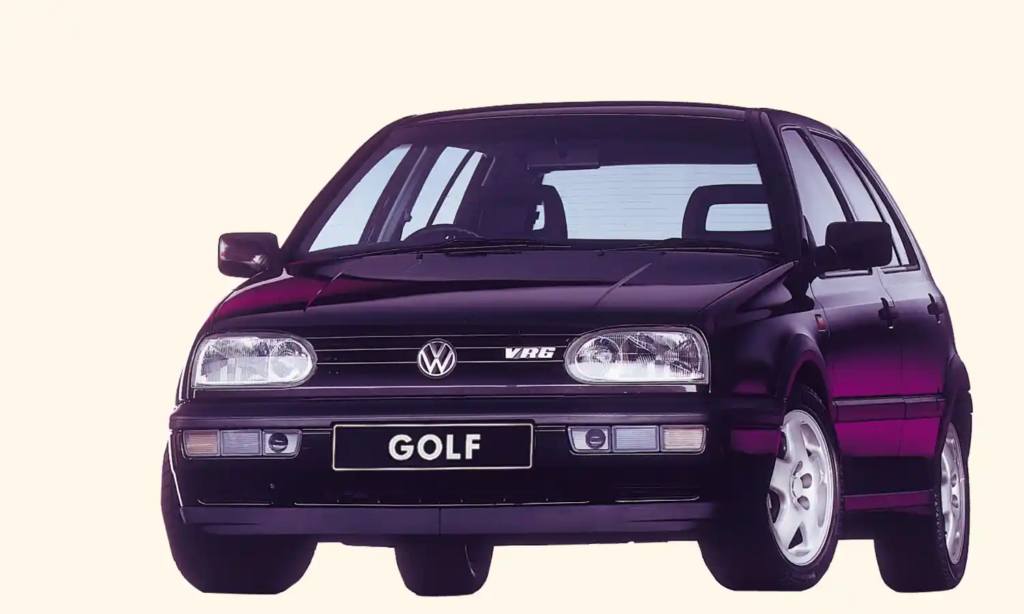
Take our beloved VW Golf VR6, affectionately known locally as the “Vura”. It wasn’t exactly loved in its era. It was heavy, pricey, and not blindingly fast, meaning second-hand values stayed stubbornly low. We loved them anyway—not for lap times, but for their incredible engine note, offbeat character, and the sheer audacity of putting a narrow-angle VR6 engine into a hatchback. You could easily buy a clean Vura for R75 000 just a few years ago.
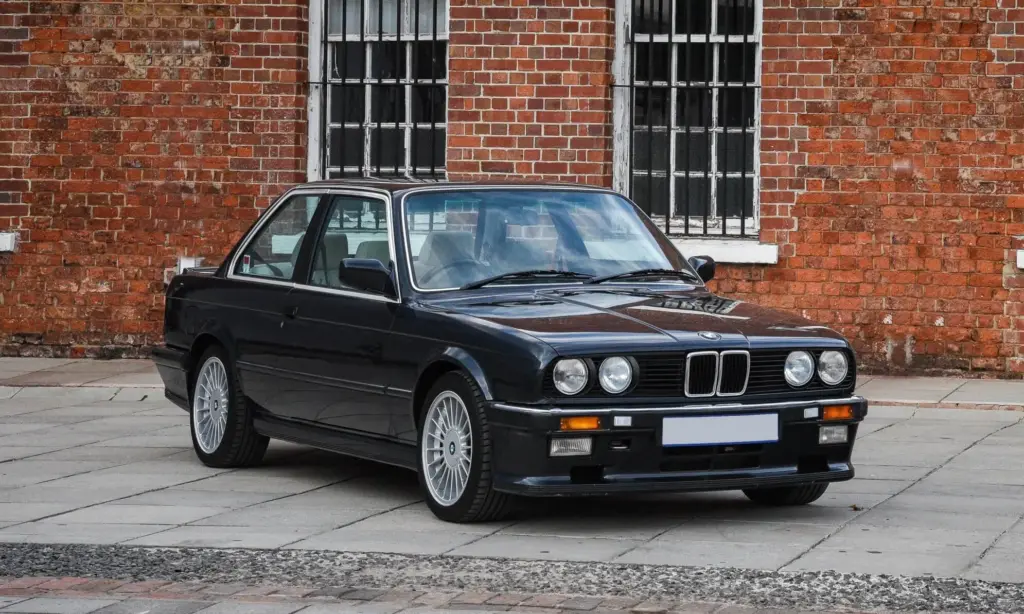
Yet, look at their values today. We’ve gone from R150 000 for a neat example to R250 000-plus. As I write this, there’s one advertised online for R600 000, and rumors of another sitting at a cool R1 million. The same goes for BMW E30s. Nobody will ever convince me that any standard E30 is genuinely worth R3 million (we’re looking at you, 325iS and 333i), and yet, these old Beemers are changing hands for staggering prices.
Fake money
Which brings me right back to the cryptocurrency scenario. Quick money made out of nothing. Speculation driven by greed. The only real difference is that classic cars actually exist and hold physical form. Because they are no longer in production, supply is strictly limited. But how do we define their true value?
And therein lies the problem. Much like fine art or crypto, a tidal wave of money is flowing into classic cars, and, sadly, it’s not coming from true enthusiasts or passionate collectors. Instead, the capital is coming from investors who are looking for alternatives to traditional investment accounts or the stock market. As a result they are pouring millions into vintage tin, rocketing the market into the stratosphere.
International trend
Take a look at recent high-end auctions in the USA, or scroll through any local classic car group on social media, and the trend is undeniable. Unsurprisingly, it’s Ferraris and Porsches that are climbing at the quickest rate. F40s and F50s are setting record numbers at auctions. The red specials are trading at record values, as are the likes of the 959, especially so at auction events. Prices once considered inconceivable are now the new normal.
The sad reality is that these cars are being priced out of reach for genuine enthusiasts. They have been reduced to mere trading tokens; bought to be shrink-wrapped in a garage for a few years and flipped for a 300% profit down the line.
Right now, there is a vast, unbridgeable chasm between the intrinsic value of a classic car and its inflated market value. Personally, I don’t see myself owning another classic anytime soon. The numbers simply don’t make sense anymore.





Have your say
Got thoughts on this?
No feedback yet on Are Classic Cars the New Cryptocurrency?. Kick the conversation off.
Free. Email link only — no password.